



Wright-Patterson Air Force Base Battles Invasive Box Tree Moth Threat in Ohio
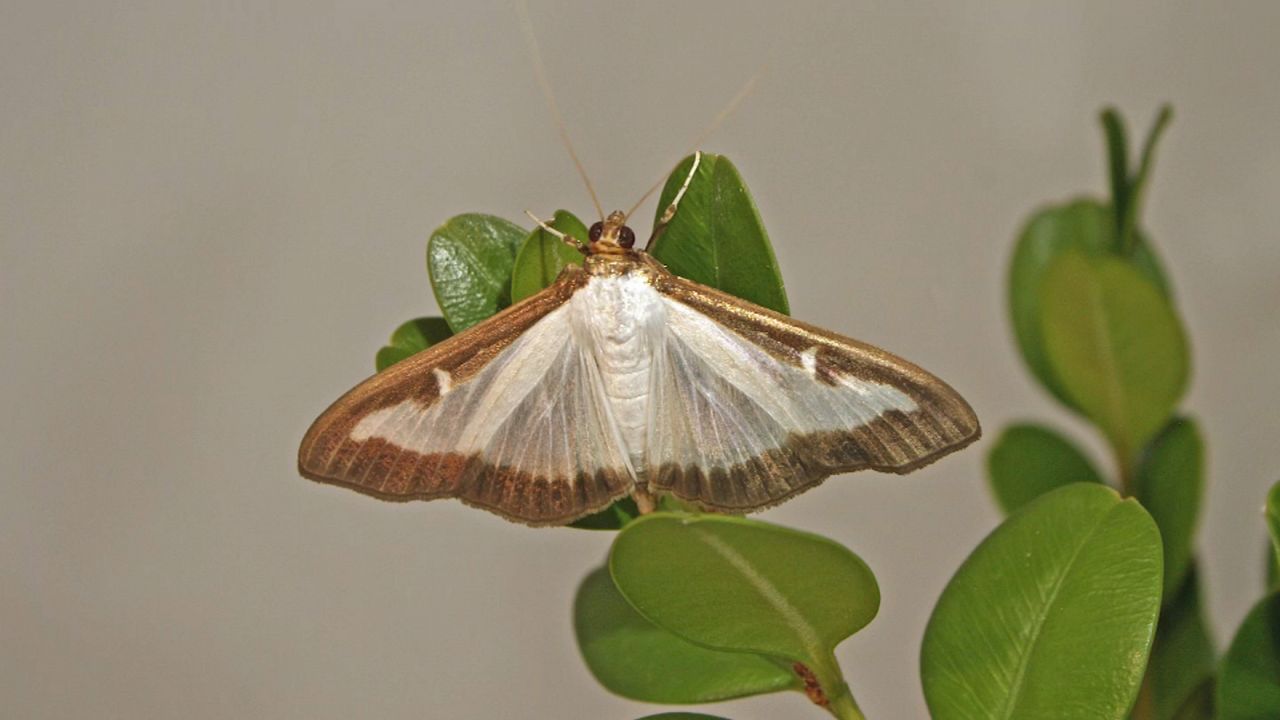
DAYTON, Ohio — The Wright-Patterson Air Force Base is taking decisive action to combat an invasive pest wreaking havoc on boxwood shrubs across the region. The 88th Civil Engineering Group has launched a comprehensive plan to address the growing infestation of the box tree moth, a destructive insect native to East Asia that poses a significant threat to local landscaping and ecosystems.
The box tree moth, first detected in Ohio in 2022, feeds primarily on boxwood shrubs, stripping them of their leaves and leaving behind distinctive signs of damage. These include “peeled” leaves, defoliation, and dense webbing in the plant’s branches. In their caterpillar stage, the pests are particularly destructive, consuming foliage and even gnawing on the outer bark of mature boxwoods, often leading to the plant’s death.
Currently, 14 counties in Ohio are under quarantine due to the infestation, underscoring the urgency of containment efforts. Wright-Patterson Air Force Base, a key installation in the region, is taking proactive measures to protect its grounds and prevent further spread of the pest.
A Multi-Year Plan to Combat the Moth
The base’s civil engineering team has outlined a detailed strategy to manage the infestation over the next several years. The plan includes inspections, targeted pesticide treatments, and potential replanting efforts. Key steps in the plan include:
- April 2026: Crews will inspect boxwood plantings to assess the severity of the infestation.
- May 2026: Specialized pesticides will be applied to foliage to target caterpillars effectively.
- May-June 2026: Reinspection of treated areas will ensure the effectiveness of the pesticides.
- June-July 2026: A comprehensive summer inspection will evaluate the overall health of the plants and determine if removals are necessary.
- August-September 2026: Costs and methods for removing damaged plants and replanting will be analyzed.
- October-November 2026: Dead or severely damaged boxwoods will be removed and replaced with new plantings. Remaining boxwoods will receive dormant oil treatment for winter protection.
- Spring 2027: Follow-up inspections will check for any signs of returning moths or caterpillars.
What Homeowners Can Do
The base has also issued guidelines for residents and local homeowners to help curb the spread of the box tree moth. Homeowners with boxwood shrubs are encouraged to:
- Regularly inspect their plants every one to two weeks from spring through fall.
- Apply approved treatments if signs of infestation are detected, ensuring the spray reaches the interior canopy where caterpillars hide.
- Remove infested branches and dispose of them properly by double-bagging the material in heavy-duty plastic and placing it in the trash—composting is not recommended.
- Purchase replacement plants from reputable nurseries that inspect for invasive insects.
The Bigger Picture
The box tree moth’s spread highlights the broader challenge of invasive species in the U.S., which can disrupt ecosystems, harm agriculture, and incur significant economic costs. Ohio’s Department of Agriculture has been working closely with local authorities and military installations like Wright-Patterson AFB to monitor and mitigate the pest’s impact.
For now, the coordinated efforts at Wright-Patterson Air Force Base serve as a critical step in protecting Ohio’s boxwood plantings and preventing further damage. Residents and experts alike remain vigilant, hoping to curb the moth’s spread before it causes irreversible harm to the region’s green spaces.
— Reported by Nexio News
