



Dramatic Collision in Northern France Leaves Train Driver Dead, Sparks Global Safety Concerns
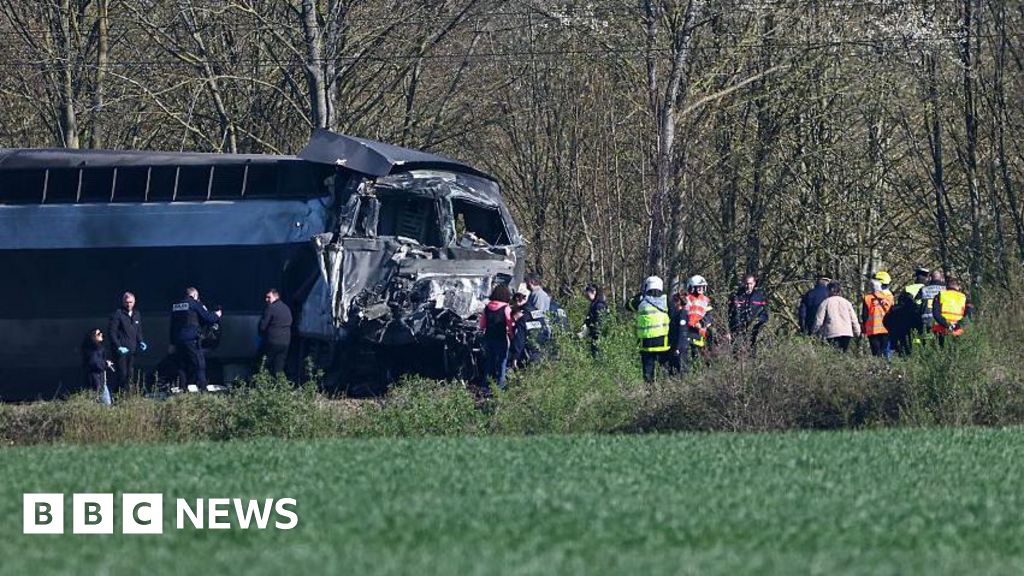
In a tragic turn of events, a freight train collided with a lorry on a railway crossing in northern France, resulting in the death of the train driver and leaving a community in shock. The incident, which occurred in the early hours of the morning, has raised urgent questions about railway safety protocols and infrastructure maintenance across Europe. The lorry driver is currently in custody as authorities investigate the circumstances leading to the deadly crash.
This collision is not just a local tragedy but a grim reminder of the vulnerabilities in global transportation networks. As rail travel continues to grow in popularity due to its environmental benefits, incidents like this underscore the need for enhanced safety measures and international cooperation to prevent future disasters.
The Incident: A Detailed Account
The collision took place at a railway crossing near the town of Arras, a region known for its heavy industrial activity and bustling transport routes. Initial reports suggest that the freight train, carrying industrial materials, was traveling at a significant speed when it struck the lorry, which had reportedly stopped on the tracks. The force of the impact derailed several train carriages and left debris scattered across the scene. Emergency services arrived swiftly, but despite their efforts, the train driver succumbed to injuries sustained in the crash.
The lorry driver, who escaped with minor injuries, was detained by authorities for questioning. Investigators are now examining whether the crossing’s safety mechanisms, such as warning signals and barriers, were functioning correctly. Preliminary findings suggest that human error or equipment failure may have played a role in the accident.
Global Context: Rail Safety Under Scrutiny
This incident comes at a time when rail networks worldwide are under increasing pressure to meet rising demand while maintaining safety standards. In Europe, railways are a cornerstone of the continent’s green transition, with governments investing billions in high-speed trains, freight corridors, and cross-border infrastructure projects. However, aging infrastructure and inconsistent safety regulations across countries pose significant challenges.
Globally, rail accidents remain a persistent issue. In India, for instance, a devastating train collision earlier this year claimed over 300 lives, highlighting systemic failures in maintenance and oversight. Similarly, in the United States, derailments involving hazardous materials have sparked nationwide debates about rail safety and corporate accountability.
The collision in northern France serves as a stark reminder that even in regions with advanced infrastructure, vulnerabilities persist. It also underscores the importance of international collaboration in establishing uniform safety standards and sharing best practices to protect lives and ensure the smooth operation of rail networks.
Why This Matters: Implications for Global Security
The implications of this tragedy extend far beyond the immediate loss of life. Rail networks are critical to global trade, economic stability, and environmental sustainability. Disruptions caused by accidents or infrastructure failures can have cascading effects, delaying shipments, increasing costs, and undermining public confidence in rail travel.
Moreover, as governments worldwide push for a shift away from air and road transportation to reduce carbon emissions, ensuring the safety and reliability of rail networks is paramount. Incidents like this could hinder progress toward these goals if they erode public trust in rail systems.
From a security perspective, the incident also highlights the potential risks associated with transportation infrastructure. Rail crossings, in particular, are susceptible to accidents, sabotage, or even terrorist attacks. Strengthening security measures at critical junctures will be essential to safeguarding both passengers and cargo.
The Human Cost: A Community in Mourning
Beyond the technical and policy implications, the collision has left a profound impact on the local community. The train driver, whose identity has not yet been released, is remembered by colleagues as a dedicated professional with years of experience. His death has sent shockwaves through the railway industry, with unions and workers calling for immediate action to prevent similar tragedies.
The lorry driver’s detention adds another layer of complexity to the incident, raising questions about responsibility and accountability. As the investigation unfolds, the focus will be on ensuring that lessons are learned and that those affected by the crash receive the support they need.
Looking Ahead: A Call for Action
As authorities in France work to determine the cause of the collision, the international community must take heed. This incident underscores the urgent need for investment in rail infrastructure, the adoption of advanced safety technologies, and the harmonization of regulations across borders.
The European Union, in particular, has a critical role to play in driving these efforts. With its ambitious plans for a connected and sustainable transport network, the bloc must prioritize safety as a cornerstone of its agenda. Similarly, global organizations such as the International Union of Railways (UIC) should redouble their efforts to promote collaboration and innovation in rail safety.
Conclusion: A Wake-Up Call for the World
The deadly collision in northern France is a sobering reminder of the fragility of our transportation systems and the human lives that depend on them. While the immediate focus is on understanding what went wrong and holding those responsible to account, the broader lesson is clear: safety must remain at the heart of global efforts to build a sustainable and connected future.
As we mourn the loss of the train driver and stand in solidarity with those affected, let this tragedy serve as a catalyst for change. Only by working together can we ensure that rail networks are not only efficient and eco-friendly but also safe and secure for all who rely on them. The world is watching, and the time to act is now.
