


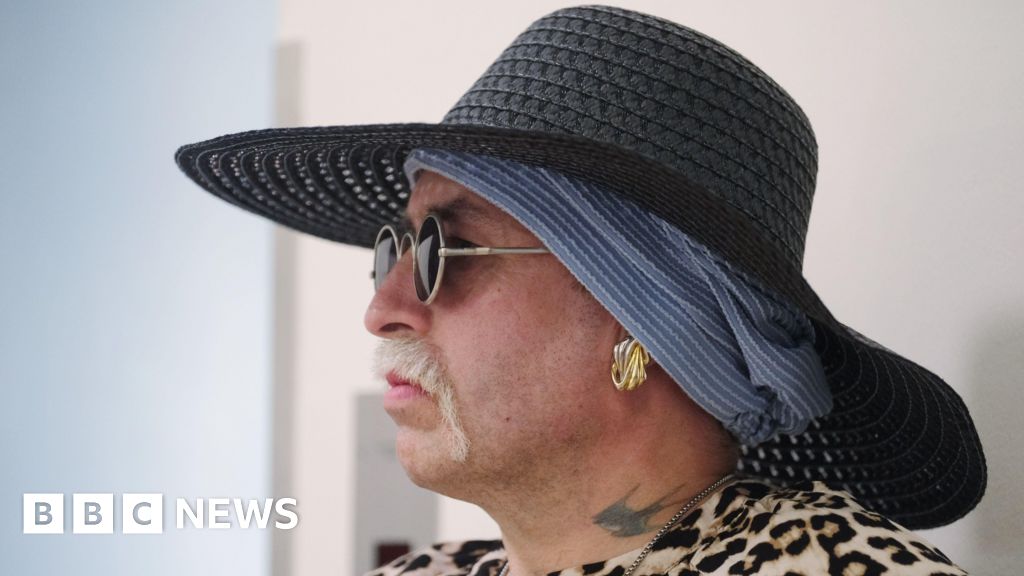

The Resurgence of Far-Right Extremism: A Former Neo-Nazi’s Ties Expose Germany’s Ongoing Struggle
A Chilling Revelation
In a revelation that has reignited concerns over far-right extremism in Europe, German media reports have uncovered the past affiliations of Marla-Svenja Liebich, a woman allegedly linked to Blood and Honour, a notorious neo-Nazi network banned in Germany since 2000. The disclosure comes amid rising far-right violence across the continent, raising urgent questions about radicalization, state surveillance, and the lingering threat of extremist ideologies in one of the world’s most politically stable democracies.
Blood and Honour: A Legacy of Hate
Blood and Honour emerged in the late 20th century as a militant offshoot of the white supremacist movement, blending neo-Nazi ideology with violent activism. The group, which originated in the UK before spreading across Europe, was banned in Germany for its role in promoting racial hatred and organizing attacks against minorities. Despite its prohibition, splinter cells have persisted, often operating underground or rebranding under new names.
Liebich’s alleged involvement underscores the enduring reach of such networks. While the extent of her participation remains unclear, her connection to the group—however dated—highlights the challenges authorities face in tracking former extremists who may still influence or re-engage with radical circles.
Germany’s Far-Right Problem: A Growing Concern
Germany has long grappled with far-right extremism, from the post-reunification surge in xenophobic violence to the recent rise of the Alternative for Germany (AfD) party, which has normalized nationalist rhetoric. The 2019 assassination of pro-migration politician Walter Lübcke by a neo-Nazi and the 2020 Hanau shootings, where a gunman killed nine immigrants, serve as grim reminders of the lethal consequences of unchecked extremism.
Security agencies estimate that Germany is home to thousands of far-right extremists, with hundreds classified as highly dangerous. The exposure of Liebich’s past adds to fears that former radicals may still pose a threat, whether through recruitment, propaganda, or direct action.
Global Context: Far-Right Networks Without Borders
The issue extends far beyond Germany. From the Capitol riot in the U.S. to the rise of ultra-nationalist parties in Sweden and Italy, far-right movements have gained momentum worldwide. These groups often share ideologies, tactics, and even personnel, facilitated by encrypted online platforms.
Blood and Honour itself has international ties, with affiliates in North America and Eastern Europe. The exposure of Liebich’s background is a microcosm of a broader trend: the globalization of extremism, where local actors are part of a wider, interconnected web of hate.
Why This Matters: Security, Democracy, and Memory
The implications of such revelations are profound. First, they test Germany’s denazification legacy—a nation that has worked tirelessly to atone for its past but continues to battle extremist undercurrents. Second, they underscore the inadequacy of merely banning groups without addressing radicalization’s root causes: economic despair, cultural alienation, and algorithmic amplification of extremist content.
Globally, the persistence of neo-Nazi networks threatens social cohesion and democratic institutions. Far-right violence has surged in recent years, with the Global Terrorism Index noting a 320% increase in far-right attacks in the West between 2014 and 2019. Governments are now forced to weigh counterterrorism measures against civil liberties, a tension that defines modern security debates.
The Human Cost: Survivors and Vigilance
Behind the headlines are the victims—those targeted by hate-fueled violence. Germany’s immigrant communities, LGBTQ+ groups, and political activists remain on high alert. Liebich’s case also raises ethical dilemmas: Should past affiliations define a person forever? Or does society have a responsibility to rehabilitate former extremists?
Experts argue that transparency and deradicalization programs are key. Countries like Denmark have implemented successful initiatives, offering exit counseling for extremists. Germany, too, has ramped up efforts, but gaps remain.
A Call to Action
As Germany confronts this latest disclosure, the world watches. The fight against far-right extremism is not just a national security issue but a moral imperative. In an era of polarized politics and fragmented media, the lines between free speech and hate speech blur, making vigilance more critical than ever.
The story of Marla-Svenja Liebich is more than an individual’s past—it is a warning. The ghosts of extremism linger, and without decisive action, history’s darkest chapters risk repeating themselves. The question now is whether democracies can stem the tide before it’s too late.
