


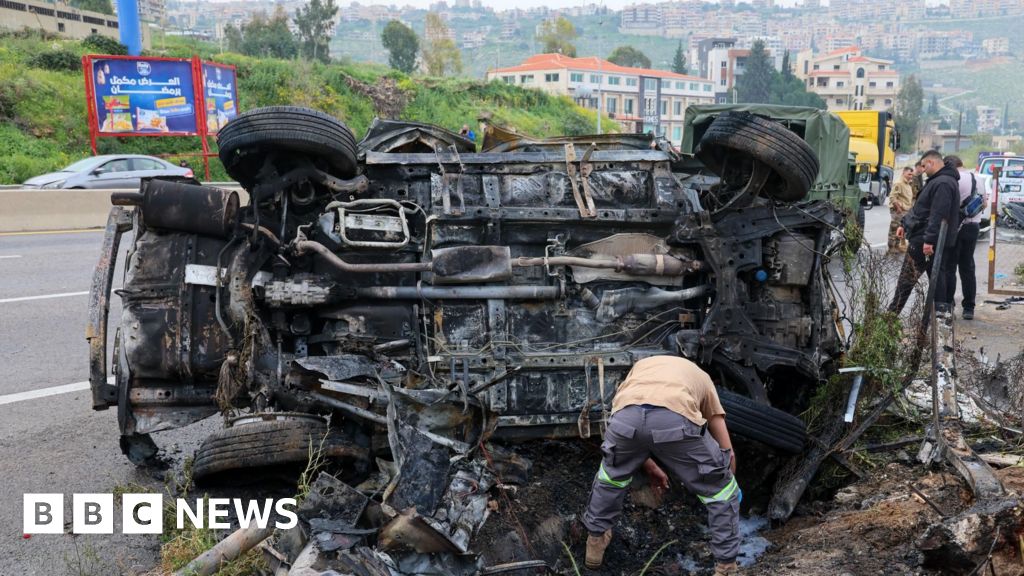

Tensions Escalate on Israel-Lebanon Border Amid Continued Strikes and Counterstrikes
The skies over southern Lebanon lit up with explosions on Wednesday as Israeli airstrikes targeted positions near the border, while Hezbollah militants responded with a barrage of rockets into northern Israel. The escalation comes just a day after rare direct negotiations between the two sides, raising fears of a broader conflict that could destabilize an already volatile region. The exchange marks one of the most significant flare-ups in recent months, underscoring the fragility of the tenuous ceasefire that has held since the end of the 2006 Lebanon War.
A Delicate Ceasefire Shattered
The recent hostilities erupted in the wake of heightened tensions along the Israel-Lebanon border, a region long considered a tinderbox for regional conflict. On Tuesday, Israeli and Hezbollah representatives engaged in direct talks mediated by a third-party facilitator, a rare diplomatic effort aimed at easing tensions. However, optimism quickly evaporated as both sides accused each other of breaching the ceasefire.
Israeli officials claimed their strikes were preemptive, targeting Hezbollah positions allegedly preparing for cross-border attacks. In turn, Hezbollah, the Iran-backed Shiite militant group, asserted its rocket launches were a direct response to Israeli aggression. The tit-for-tat violence has plunged the region into uncertainty, with civilians on both sides fleeing their homes amid fears of further escalation.
Global Context: A Region on Edge
The Israel-Lebanon border has been a flashpoint for decades, with sporadic clashes between Israeli forces and Hezbollah threatening to spiral into full-scale war. Hezbollah, designated as a terrorist organization by many Western countries, wields significant political and military influence in Lebanon. Its close ties with Iran further complicate the geopolitical landscape, as Tehran’s involvement in regional conflicts continues to draw condemnation from Israel and its Western allies.
The timing of this escalation is particularly concerning given the broader regional instability. The ongoing conflict in Gaza, the war in Ukraine, and rising tensions between Iran and the West have created a volatile global security environment. Any sustained conflict between Israel and Hezbollah could draw in other regional actors, including Iran and Syria, potentially triggering a wider Middle East crisis.
Human Cost and Humanitarian Concerns
Amid the military exchanges, civilians are bearing the brunt of the violence. Residents of southern Lebanese villages and northern Israeli towns have reported hearing loud explosions and seeing smoke rising from targeted sites. Schools, hospitals, and infrastructure in the area have been affected, raising fears of a humanitarian crisis if the fighting intensifies.
Lebanon, already grappling with a severe economic collapse and political paralysis, is ill-equipped to handle another conflict. The country’s crumbling infrastructure and strained public services could exacerbate the suffering of its population. Meanwhile, in Israel, the government has urged residents in border areas to remain vigilant, with shelters opened to protect civilians from rocket fire.
Why This Matters Globally
The escalation between Israel and Hezbollah is not just a regional issue but a matter of global concern. The Middle East remains a critical hub for global energy supplies, and prolonged conflict could disrupt oil markets, further inflaming economic instability worldwide. Additionally, the involvement of external powers, including Iran and the United States, raises the stakes for international diplomacy.
The conflict also underscores the fragility of peace agreements in the region. Despite years of diplomatic efforts to broker lasting solutions, the underlying tensions between Israel and its neighbors persist. The recent escalation serves as a stark reminder of how quickly simmering hostilities can erupt into open warfare, threatening global security and stability.
Diplomatic Efforts and the Path Forward
International leaders have called for restraint, with the United Nations urging both sides to de-escalate and return to dialogue. The United States, a key ally of Israel, has expressed concern over the violence and emphasized the need for diplomacy to prevent further bloodshed. However, the path to peace remains fraught with challenges.
Diplomatic efforts are complicated by the deep-seated animosity between Israel and Hezbollah, as well as the broader geopolitical rivalries in the region. Any lasting resolution will require addressing not only the immediate triggers of violence but also the underlying issues fueling the conflict.
Conclusion: A Precarious Balance
As smoke clears over the Israel-Lebanon border, the world watches with bated breath. The recent escalation serves as a sobering reminder of how quickly peace can unravel in one of the world’s most contentious regions. With lives hanging in the balance and the specter of wider conflict looming, the stakes could not be higher.
The coming days will be critical in determining whether diplomacy can restore calm or if the region is destined for yet another devastating chapter in its long history of conflict. For now, the fragile ceasefire hangs by a thread, and the world holds its breath, hoping for peace but bracing for the worst.
