



Israel Launches Devastating Strikes on Lebanon Amid Fragile Ceasefire in Gulf
8 April 2026
In a sudden and bloody escalation, Israel launched a massive wave of airstrikes across Lebanon at 14:15 local time on 8 April 2026, shattering hopes for peace in the region. The attack, which targeted over 100 sites within just 10 minutes, came mere hours after US President Donald Trump announced a ceasefire between the US, Israel, and Iran to halt the spiraling conflict in the Gulf. The strikes underscored the fragility of diplomatic efforts in a region where tensions have reached a boiling point, leaving Lebanon reeling and the international community grappling with the fallout.
A Ceasefire Broken
The ceasefire announcement, brokered by the US, was intended to de-escalate hostilities in the Gulf, where months of proxy conflicts and direct confrontations had threatened to engulf the wider Middle East. However, Israel’s decision to intensify its campaign against Lebanon’s Hezbollah militia—a group backed by Iran—immediately cast doubt on the durability of the truce. Israeli officials defended the strikes as necessary to neutralize Hezbollah’s military capabilities, citing the group’s continued rocket attacks on Israeli territory.
The timing of the assault, however, has drawn sharp criticism from global observers. “This undermines the very essence of the ceasefire,” said a regional analyst speaking on condition of anonymity. “It sends a message that diplomacy is secondary to military objectives.”
Roots of the Conflict
The latest chapter in the decades-long conflict between Israel and Hezbollah began on 2 March 2026, when Hezbollah fired a barrage of rockets into northern Israel, killing several civilians and injuring dozens. Israel responded with overwhelming force, initiating widespread airstrikes and a ground invasion of southern Lebanon. The ensuing violence has exacted a heavy toll: Lebanon’s health ministry reports over 2,600 deaths, while the United Nations estimates that nearly 20% of the country’s population—more than 1 million people—have been displaced.
Hezbollah, a Shia Islamist political party and militia, has long been a focal point of regional tensions. Funded and armed by Iran, the group is viewed by Israel as a direct threat to its security. The recent escalation has transformed Lebanon into a battleground for broader geopolitical rivalries, with Iran and Israel waging a proxy war that has destabilized the entire region.
Global Implications
The escalation in Lebanon has far-reaching consequences beyond the Middle East. The conflict threatens to derail fragile diplomatic efforts aimed at preventing a wider war, particularly as global powers navigate economic instability and resource shortages exacerbated by climate change and pandemic recovery efforts.
Moreover, the humanitarian crisis unfolding in Lebanon has drawn widespread condemnation. International aid organizations warn of a looming catastrophe as infrastructure crumbles and access to basic necessities becomes increasingly scarce. The UN has called for an immediate cessation of hostilities to allow for humanitarian aid to reach affected areas, but progress remains elusive.
The conflict also risks exacerbating global energy insecurity. Lebanon, though not a major oil producer, lies in a region critical to global energy supply chains. Prolonged fighting could disrupt shipping routes and further destabilize markets already strained by the Gulf crisis.
A Human Tragedy
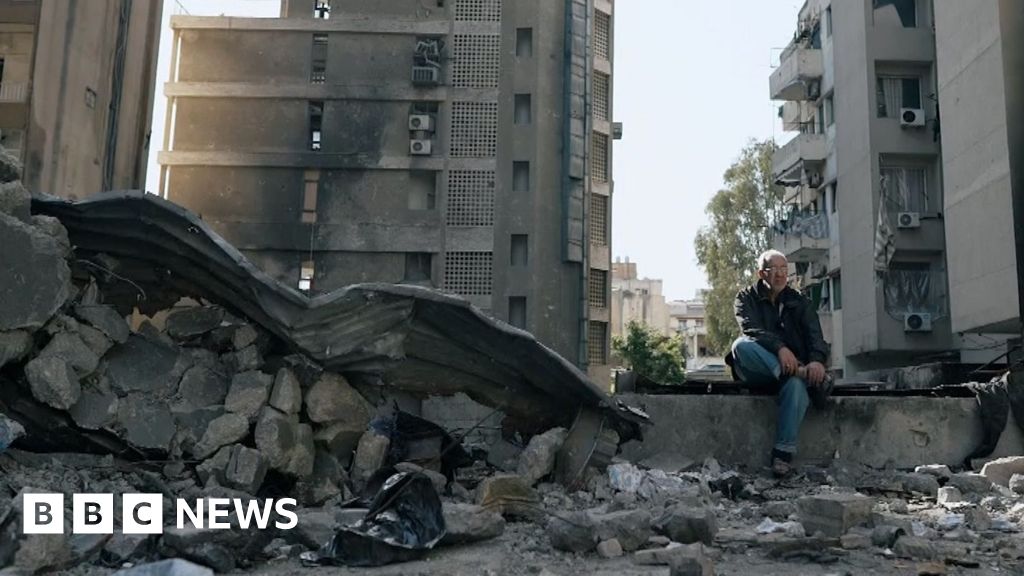
Behind the statistics lie countless stories of loss and devastation. Among the victims of the 8 April strikes was a family of six in Beirut, killed when their apartment building was reduced to rubble. “We thought the ceasefire meant we were safe,” said a neighbor, her voice trembling with grief. “We were wrong.”
Journalist Nawal Al-Maghafi, reporting for the BBC, has been documenting the human cost of the conflict, speaking with survivors who have lost loved ones and homes. Her work underscores the profound suffering of a population caught in the crossfire of a conflict they did not choose.
What Comes Next?
As the dust settles on one of the deadliest days in Lebanon’s recent history, questions linger about the path forward. Will the ceasefire hold elsewhere in the region, or will Israel’s actions trigger a domino effect of renewed violence? Can international actors broker a sustainable peace, or will geopolitical rivalries continue to fuel the flames?
For now, Lebanon remains a stark reminder of the human cost of war and the urgent need for diplomatic solutions. The world watches anxiously, hoping for a resolution that prioritizes human life over political ambition.
In the words of one Lebanese refugee, “We are not just numbers. We are people who want to live in peace.” As the conflict persists, her plea echoes across the globe, a poignant call for compassion in a world too often defined by division.
This report highlights the critical need for renewed diplomatic efforts and humanitarian aid in Lebanon. The international community must act swiftly to prevent further loss of life and restore hope to a region on the brink of collapse.
