



Israel Targets Senior Hezbollah Figure in Beirut: A Significant Escalation in Regional Tensions
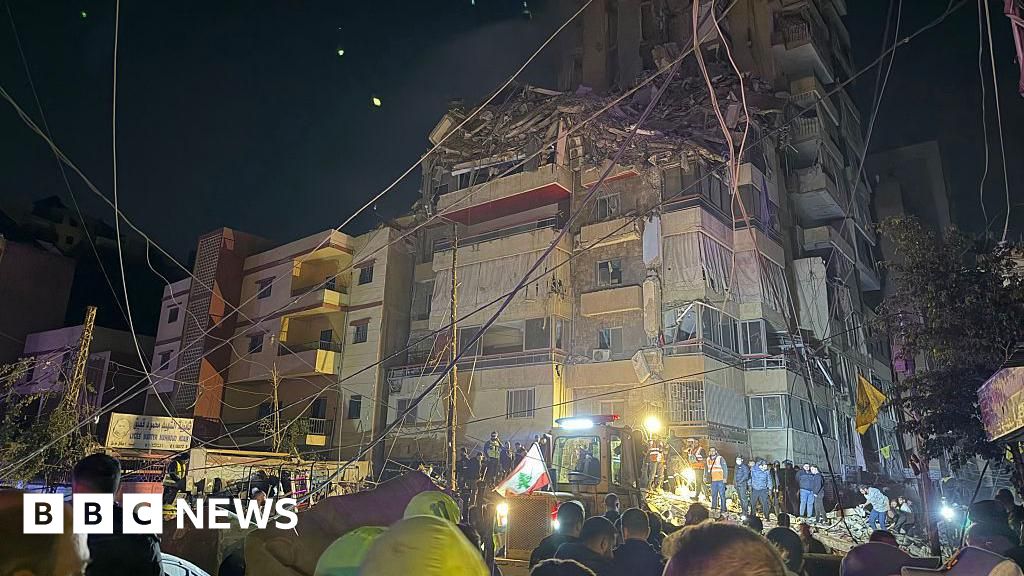
Beirut, Lebanon — In a bold and unprecedented move, Israel has confirmed it targeted a senior Hezbollah official in the heart of Beirut, marking the first such strike in the Lebanese capital since mid-April. The operation underscores the deepening tensions between Israel and the Iran-backed militant group, raising fears of a broader regional conflict that could destabilize an already volatile Middle East.
The strike occurred in a densely populated neighborhood of Beirut, shattering the fragile calm that had persisted in recent months. While Israel has not disclosed the target’s identity, Lebanese sources claim the individual was a high-ranking operative involved in Hezbollah’s military operations. The attack has drawn sharp condemnation from Lebanese officials, who accuse Israel of violating international law by conducting military operations on foreign soil.
This latest action is a stark reminder of the simmering hostilities between Israel and Hezbollah, a proxy force for Iran that has long posed a significant threat to Israeli security. The incident comes amid escalating rhetoric and military posturing on both sides, raising concerns that a miscalculation could ignite a full-scale war with far-reaching consequences for the region and beyond.
Global Context: A Region on the Brink
The Middle East is no stranger to conflict, but the current geopolitical landscape is particularly precarious. The ongoing war between Israel and Hamas in Gaza has already strained regional stability, with spillover effects felt across borders. Hezbollah, a powerful Shiite militant group based in Lebanon, has been a vocal supporter of Hamas, firing rockets into northern Israel in solidarity with the Palestinian cause.
Israel’s response has been swift and forceful, targeting Hezbollah positions in southern Lebanon and, now, in Beirut. This marks a significant escalation, as previous Israeli operations have largely been confined to areas near the border. By striking deep within Lebanese territory, Israel sends a clear message to Hezbollah and its Iranian patrons: it will not tolerate threats to its security, no matter the location.
The international community has watched these developments with growing unease. The United Nations has called for restraint, warning that further escalation could plunge the region into chaos. The United States, Israel’s closest ally, has urged both sides to de-escalate, while Iran has condemned the strike as an act of aggression and vowed support for Hezbollah.
Why This Matters: A Global Perspective
The implications of this strike extend far beyond the Middle East. Hezbollah is not just a regional player; it is a global threat with a history of conducting terror attacks abroad, including in Europe and South America. Its alliance with Iran, a country increasingly at odds with Western powers, adds another layer of complexity to the situation.
An all-out war between Israel and Hezbollah would have devastating humanitarian consequences. Lebanon, already grappling with a severe economic crisis and political instability, is ill-equipped to handle another conflict. The displacement of civilians and destruction of infrastructure would exacerbate the region’s refugee crisis, potentially sparking a wave of migration to Europe and other parts of the world.
Economically, a prolonged conflict could disrupt global energy markets. Lebanon’s proximity to key shipping routes and Iran’s influence over oil production in the region mean that any escalation could impact oil prices, with ripple effects felt by economies worldwide.
Hezbollah’s Response and Future Prospects
Hezbollah has vowed to retaliate for the strike, raising the specter of a cycle of violence that could spiral out of control. The group’s leader, Hassan Nasrallah, has previously warned that any attack on Beirut would be met with “unprecedented” force. Israel, for its part, has signaled its readiness to respond to any provocation, further heightening tensions.
The situation also tests the limits of international diplomacy. Efforts to mediate a ceasefire in Gaza have so far yielded mixed results, and the addition of a Lebanon-Israel conflict would complicate matters further. The UN’s peacekeeping force in southern Lebanon, UNIFIL, has called for calm but faces significant challenges in maintaining stability amid the rising hostilities.
Conclusion: A Fragile Equilibrium
As the dust settles in Beirut, the world holds its breath, acutely aware of the fragility of the current balance. The strike on a senior Hezbollah figure is not just a tactical move by Israel; it is a statement of intent that reverberates across the globe. In a region where history has shown how quickly conflicts can escalate, the stakes could not be higher.
The international community must act swiftly to prevent further violence, but the path to peace is fraught with obstacles. For now, the people of Lebanon and Israel are left to bear the brunt of a confrontation that threatens to plunge their region into another devastating chapter of war. The question remains: will diplomacy prevail, or will the cycle of violence continue unchecked? The world watches, hoping for a resolution but preparing for the worst.
