



Truce Shattered: Escalating Drone Strikes Threaten Fragile Ceasefire Amid Victory Day Commemorations
A Fragile Peace Collapses
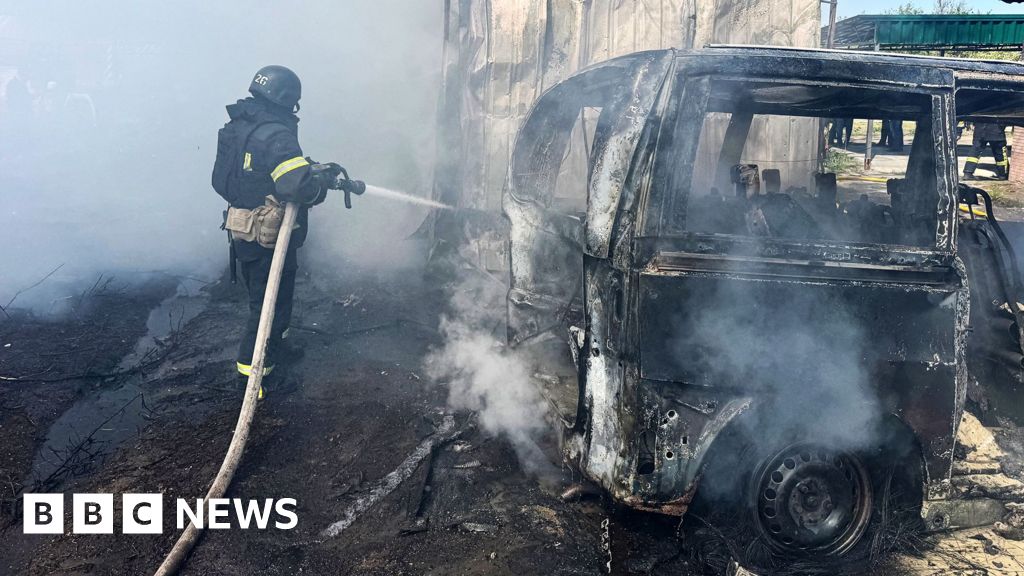
Just hours into a highly anticipated truce, reports emerged of renewed hostilities as both sides accused each other of launching hundreds of drone strikes. The timing could not be more volatile—the attacks coincided with global commemorations of the Soviet Union’s victory over Nazi Germany, a day steeped in historical significance and modern geopolitical tensions. The abrupt breakdown of the ceasefire underscores the deep-seated animosities fueling this conflict, raising fears of a broader regional escalation.
The Context: A Truce Doomed from the Start?
The ceasefire, brokered under intense international pressure, was intended to provide a brief respite from months of relentless warfare. Yet, from the outset, skepticism loomed. Previous truces in this conflict have collapsed within days, if not hours, as neither side appears willing to cede strategic ground. The latest drone strikes suggest that tactical advantages—or perceived vulnerabilities—outweighed diplomatic commitments.
Globally, the timing is critical. Victory Day (May 9) remains a potent symbol in Russia and former Soviet states, often used to rally nationalist sentiment. For Western observers, the resurgence of violence on this symbolic date reinforces concerns over Russia’s broader geopolitical ambitions and its role in regional instability.
Drone Warfare: The New Face of Modern Conflict
The sheer volume of reported drone attacks—hundreds in mere hours—highlights how unmanned aerial vehicles (UAVs) have revolutionized warfare. Unlike traditional artillery, drones offer precision strikes with reduced risk to operators, making them a preferred tool for asymmetric warfare. Both state and non-state actors now deploy them with increasing sophistication, complicating defense strategies.
Military analysts warn that drone swarms could overwhelm air defenses, rendering ceasefires nearly impossible to enforce. The latest strikes suggest that neither side is willing to de-escalate, instead opting for rapid, deniable attacks that keep adversaries off-balance.
Why This Matters Beyond the Battlefield
The collapse of this truce has far-reaching implications:
- Humanitarian Crisis Deepens – Civilians, already suffering from supply shortages and displacement, face renewed bombardment. Aid groups warn of catastrophic consequences if hostilities resume at full scale.
- Global Security at Risk – The conflict risks drawing in neighboring powers, with NATO and Russian-aligned states closely monitoring developments. A prolonged war could destabilize energy markets and trigger refugee waves.
- Diplomatic Fallout – The failure of yet another ceasefire undermines trust in international mediation efforts, leaving few viable paths to peace.
Historical Echoes and Modern Tensions
Victory Day, marking the end of World War II in Europe, has long been a flashpoint. In Russia, it serves as a reminder of Soviet sacrifice—and, critics argue, a tool for legitimizing current military actions. For Ukraine and other Eastern European nations, the day carries mixed emotions, with many viewing it through the lens of post-war Soviet domination rather than liberation.
The timing of these drone strikes suggests a deliberate message: even on a day meant for reflection, the war machine does not sleep. The symbolism is not lost on global leaders, who now face mounting pressure to reassess their strategies.
What Comes Next?
With the truce in tatters, three scenarios loom:
- Total Collapse – A return to full-scale war, with potential for dramatic territorial shifts.
- Frozen Conflict – A prolonged stalemate, with sporadic flare-ups but no decisive victory.
- Renewed Diplomacy – A long-shot possibility, requiring unprecedented concessions from both sides.
For now, the world watches nervously as the conflict enters yet another volatile phase.
A Warning from History
As smoke rises over battle-scarred landscapes, the echoes of past wars grow louder. The failure of this ceasefire is more than a tactical setback—it is a grim reminder of how quickly diplomacy can unravel when trust is absent. In an era defined by drone warfare and geopolitical brinkmanship, the stakes have never been higher. If history is any guide, the path to peace will be fraught with false starts and shattered promises. The question now is whether the world can afford another prolonged conflict—or if leaders will finally heed the lessons of the past before it’s too late.
