



International Cruise Ship Faces Hantavirus Outbreak Amid Global Health Concerns
April 14, 2024
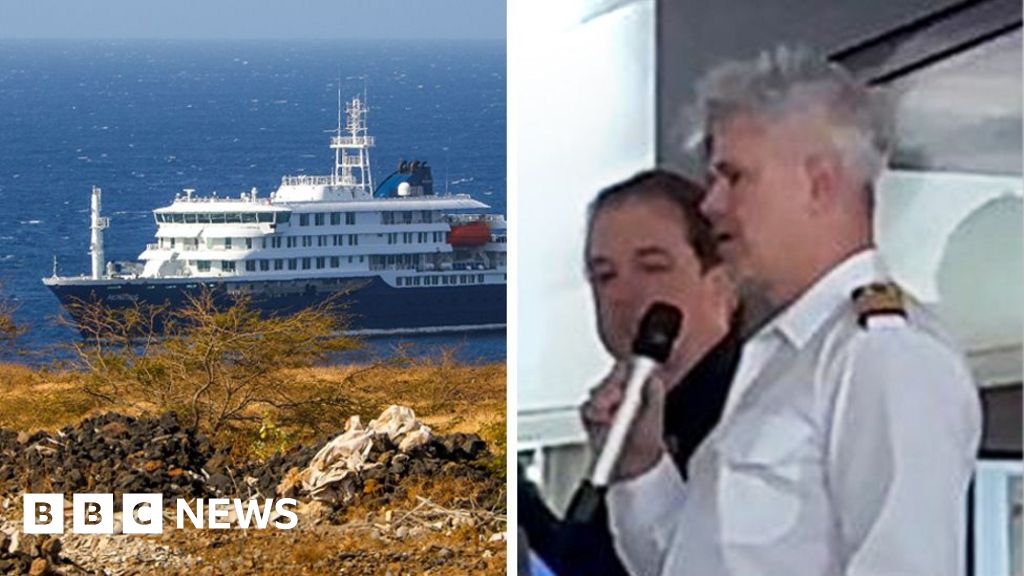
In a chilling twist of events, passengers aboard the MV Hondius, a cruise ship stranded off the coast of Cape Verde, are confronting a rare and deadly outbreak of hantavirus. The crisis began with the sudden death of a passenger on April 11, initially attributed to “natural causes,” but has since escalated with three confirmed cases and five suspected infections of the rodent-borne disease. With 150 passengers and crew from 23 countries on board, the situation has sparked global alarm, raising questions about maritime health protocols and the risks of international travel in an increasingly interconnected world.
The Outbreak Unfolds
The MV Hondius, operated by Oceanwide Expeditions, was en route when tragedy struck. The ship’s captain informed passengers via an announcement on April 12 that a doctor had determined the deceased individual’s death was due to “natural causes” and that the person was “not infectious.” This reassurance, however, proved short-lived as additional cases of hantavirus emerged shortly thereafter.
Hantavirus, a rare but severe disease primarily spread through contact with rodent droppings or urine, can cause hantavirus pulmonary syndrome (HPS), a potentially fatal respiratory condition. While human-to-human transmission is extremely rare, the presence of the virus on a confined vessel has raised concerns about containment and the potential for further spread.
Turkish YouTuber Ruhi Çenet, who filmed the captain’s announcement and shared it with the BBC, reported that immediate safety precautions were not taken after the first death. Passengers have since been left in limbo, stranded near Cape Verde, an archipelago off the west coast of Africa, as health officials scramble to assess the situation.
Global Context and Health Implications
The MV Hondius incident comes at a time when the world remains acutely sensitive to infectious disease outbreaks, a legacy of the COVID-19 pandemic. While hantavirus is not considered highly contagious, its emergence in an international setting underscores the vulnerabilities of global travel and the challenges of managing health crises in confined spaces like cruise ships.
Historically, cruise ships have been hotspots for disease transmission, from norovirus to COVID-19. The MV Hondius outbreak highlights the need for stringent health and safety protocols, particularly in remote regions where access to medical resources may be limited. Cape Verde, while equipped with basic healthcare infrastructure, lacks the advanced capabilities needed to handle a large-scale outbreak.
Moreover, the multinational composition of the ship’s passengers—representing 23 countries—adds another layer of complexity. Coordinating international responses, ensuring safe disembarkation, and preventing cross-border transmission are critical challenges that global health authorities must navigate.
Cruise Operator’s Response
Oceanwide Expeditions has sought to reassure the public, emphasizing that the safety and well-being of passengers and crew are its “utmost priority.” In a statement issued on April 13, the company explained that the cause of the first death was initially unknown, and there was no evidence of a virus or contagion at the time.
“Following medical review, it was thought the death was an isolated case,” the statement read. “Proper procedure was followed in informing all guests and crew aboard MV Hondius. Health and safety, and maritime standards regarding the proper management and reporting of a death at sea, were strictly followed.”
The company has yet to provide detailed updates on the current status of those on board or the measures being taken to contain the outbreak. However, the growing number of confirmed and suspected cases suggests that the situation remains fluid and potentially escalating.
Why This Matters
The MV Hondius outbreak serves as a stark reminder of the interconnected risks posed by international travel and the persistence of infectious diseases in an era of global mobility. For the cruise industry, still recovering from the economic fallout of the COVID-19 pandemic, this incident could reignite concerns about passenger safety and the viability of long-distance voyages.
From a public health perspective, the outbreak underscores the need for enhanced surveillance, rapid response mechanisms, and international cooperation to prevent localized incidents from spiraling into global crises. The presence of hantavirus, though rare, also highlights the broader threat of zoonotic diseases—illnesses transmitted from animals to humans—which are increasingly prevalent due to factors like deforestation, climate change, and urbanization.
Looking Ahead
As authorities work to stabilize the situation on the MV Hondius, the world watches closely, mindful of the lessons learned from past outbreaks. The incident serves as a call to action for governments, health organizations, and the maritime industry to bolster preparedness and ensure that the mistakes of previous crises are not repeated.
For now, the 150 individuals stranded off Cape Verde await resolution, hoping for a swift and effective response to the unfolding health emergency. Their plight is a microcosm of the broader challenges posed by infectious diseases in a globalized world—a reminder that even in the age of advanced medicine, nature can still strike with devastating consequences.
As the sun sets on the horizon, the MV Hondius remains adrift, a floating symbol of humanity’s ongoing battle against unseen threats. The world waits, hoping that this crisis will be contained before it spreads further, but also reflecting on the fragility of our interconnected existence.
