


Russian Leader Signals Potential for Ukraine Negotiations, Criticizes Western Support for Zelensky
Amid escalating global tensions, Vladimir Putin’s latest remarks on Ukraine have reignited debates about the path to peace—or prolongation of war—in a conflict that has reshaped geopolitics and challenged the international order. Speaking against a backdrop of deepening distrust and rising casualties, the Russian president hinted at the possibility of negotiations while simultaneously condemning Western support for Ukrainian President Volodymyr Zelensky. This dual-edged statement has left analysts scrambling to decipher Moscow’s intentions and the implications for global security.
Putin’s Balancing Act: War and Diplomacy
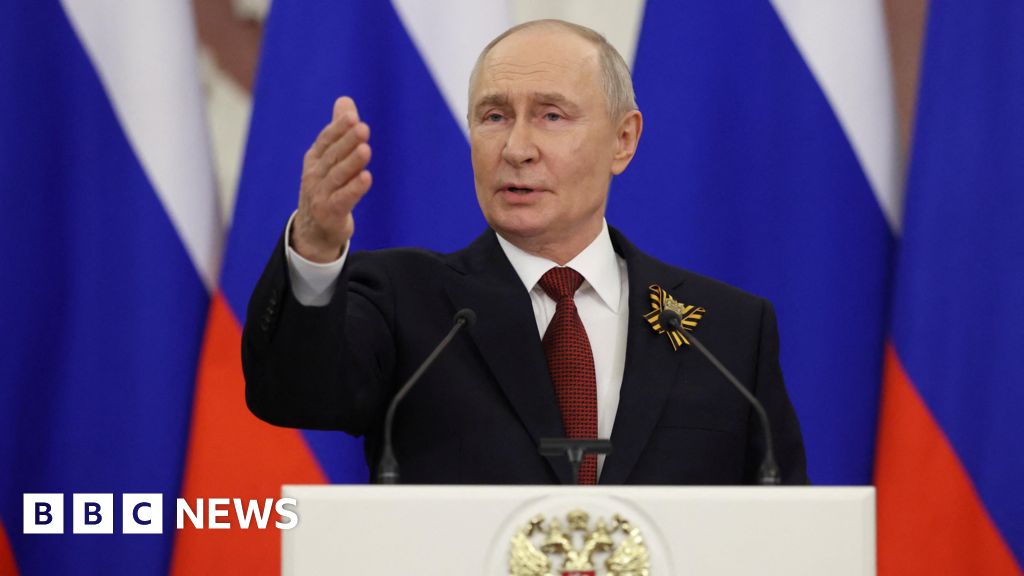
In a carefully worded address, Putin acknowledged the potential for dialogue, a rare shift in rhetoric from a leader who has largely shunned negotiations since the invasion of Ukraine in February 2022. However, his olive branch was swiftly overshadowed by sharp criticism of the West, particularly NATO and the European Union, for their unwavering support of President Zelensky. Putin accused Western powers of fueling the conflict by supplying Ukraine with advanced weapons and financial aid, a move he claims undermines Moscow’s security interests.
This mixed messaging underscores the Kremlin’s precarious position. On one hand, Russia faces mounting economic strain, military losses, and international isolation. On the other, Putin appears unwilling to cede ground or compromise on key strategic objectives, such as territorial control in eastern Ukraine. The result is a nuanced narrative that leaves the door open for talks while projecting defiance against Western intervention.*
Global Context: A World Divided
The conflict in Ukraine has become a flashpoint for broader geopolitical rivalries, pitting Russia against a coalition of Western nations led by the United States. The war has exposed deep fissures in the international system, with countries like China and India adopting ambiguous stances, often aligning with Moscow’s interests or abstaining from outright condemnation. Meanwhile, NATO has grown stronger, fueled by the accession of Finland and the pending membership of Sweden.
The West’s support for Ukraine has been unwavering, with over $100 billion in military and humanitarian aid flowing into the country since the war began. This solidarity, however, has come at a cost. Rising energy prices, inflation, and refugee crises have strained economies worldwide, particularly in Europe. The conflict has also disrupted global food supplies, exacerbating hunger in vulnerable regions across Africa and the Middle East.*
Putin’s latest comments reflect a broader struggle to navigate this fractured landscape. By criticizing Western backing for Zelensky, he aims to galvanize domestic support and rally anti-Western sentiment globally. At the same time, his openness to negotiations suggests an awareness of the risks of prolonged conflict, both for Russia and the world at large.*
Why It Matters: The Stakes for Global Security
The implications of Putin’s statement extend far beyond Ukraine. The war has become a litmus test for the resilience of international norms, particularly the principles of sovereignty and territorial integrity enshrined in the United Nations Charter. A negotiated settlement, while potentially easing immediate tensions, could set precedents that embolden aggressor states in future conflicts.*
Moreover, the conflict has intensified the arms race and militarization of international relations. Countries worldwide are reassessing their defense strategies, with increased spending on advanced weaponry and alliances. This trend threatens to destabilize regions already grappling with internal strife, from the Taiwan Strait to the Korean Peninsula.*
Economically, the war has underscored the vulnerabilities of globalization. Sanctions, supply chain disruptions, and energy shortages have highlighted the interconnectedness of modern economies—and the risks of overreliance on any one nation or region. As the conflict drags on, its ripple effects will continue to shape global markets and livelihoods.*
The Human Cost: A Crisis Without End
Behind the geopolitical maneuvering lies a humanitarian catastrophe. Over 8 million Ukrainians have fled their homes, seeking refuge in neighboring countries and beyond. Thousands of civilians have been killed, and entire cities lie in ruins. The psychological toll on survivors, particularly children, is immeasurable.*
For Russians, the war has brought its own hardships. Conscription campaigns have torn families apart, while economic sanctions have plunged millions into poverty. Putin’s rhetoric, while aimed at rallying national pride, cannot mask the growing discontent among citizens weary of war.*
Looking Ahead: A Fragile Peace or Endless War?
As Putin signals the possibility of negotiations, the question remains: Is this a genuine step toward peace or a tactical maneuver to buy time? Diplomatic efforts have thus far faltered, with both sides entrenched in their positions. Ukraine insists on the complete withdrawal of Russian forces and the restoration of its pre-2014 borders, while Moscow demands security guarantees and recognition of its territorial gains.*
The international community faces a delicate balancing act. Too much pressure on Russia could escalate the conflict, while too little risks emboldening Moscow. Meanwhile, the voices of ordinary Ukrainians and Russians—those bearing the brunt of this war—remain largely unheard in the corridors of power.*
Conclusion: A Pivotal Moment in Global History
Vladimir Putin’s latest remarks on Ukraine underscore the complexities of a conflict that has reshaped the world order. His dual emphasis on negotiation and condemnation reflects the broader tensions between pragmatism and ideology, diplomacy and warfare. As the world watches, the stakes could not be higher. The outcome of this crisis will not only determine the fate of Ukraine but also set the tone for global security in the 21st century. In an era of unparalleled uncertainty, one thing is clear: The choices made today will echo for generations to come.*
