



Catastrophe in Ukraine: The Kakhovka Dam Disaster and Its Global Implications
The thunderous roar of the Kakhovka Dam’s collapse echoed across Ukraine on June 6, 2023, unleashing a torrent of devastation that rippled far beyond its banks. For Ludmilla, a resident of Nova Kakhovka, the disaster was personal: her home was swept away in the floodwaters, leaving her family with nothing but memories of a life abruptly upended. The destruction of the dam, located under Russian occupation, marked one of the most dramatic and consequential moments of the ongoing war in Ukraine—a grim reminder of the far-reaching consequences of conflict in an interconnected world.
While the precise details of the dam’s destruction remain contested, the aftermath has been unequivocally catastrophic. The event not only displaced thousands but also triggered environmental, economic, and geopolitical repercussions that underscore the fragility of global stability in an era of escalating tensions.
The Incident: A Catastrophic Breach
On June 6, 2023, the Kakhovka Dam, a critical infrastructure piece on the Dnipro River, was destroyed under circumstances that remain shrouded in controversy. Ukrainian authorities accused Russian forces of intentionally blowing up the dam to hinder a counteroffensive, while Russian officials blamed Ukrainian shelling. Independent verification has been challenging due to the ongoing conflict and restricted access to the area.
The dam’s collapse unleashed an estimated 18 billion cubic meters of water, flooding towns, villages, and farmland across southern Ukraine. Towns like Nova Kakhovka and Kherson were submerged, forcing tens of thousands to flee. The floodwaters carried debris, contaminants, and hazardous materials, compounding the disaster’s environmental toll.
Human Toll: Lives Shattered
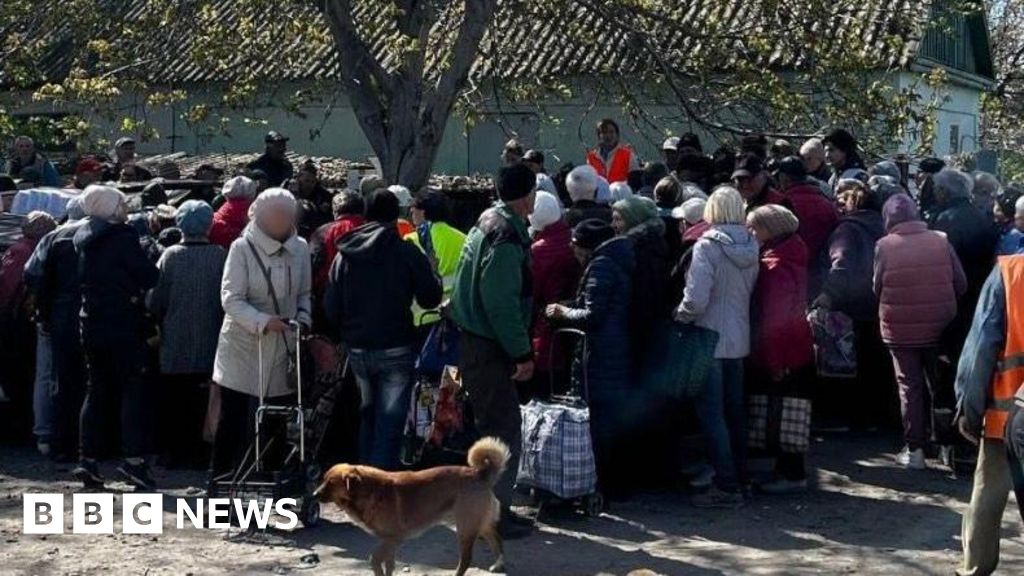
The human cost of the Kakhovka Dam disaster has been staggering. Ludmilla’s story is just one among thousands. “Everything we had is gone,” she said, describing how her family watched helplessly as their home was swallowed by the rising waters. Aid organizations estimate that over 40,000 people were directly affected, with many losing their homes, livelihoods, and access to clean water.
The disaster also disrupted access to healthcare, education, and basic services, exacerbating the humanitarian crisis already unfolding in Ukraine. Vulnerable populations—children, the elderly, and those with disabilities—were hit hardest, underscoring the disproportionate impact of war on the most marginalized.
Environmental and Economic Fallout
The ecological consequences of the dam’s destruction are profound. The Dnipro River, a vital waterway for Ukraine, has been contaminated with industrial chemicals, agricultural runoff, and debris. The floodwaters devastated ecosystems, killing wildlife and destroying habitats. Experts warn that the long-term environmental damage could take decades to repair.
Economically, the disaster has dealt a severe blow to Ukraine’s agricultural sector. The flooded regions were among the country’s most fertile, producing grain and other crops critical to both domestic consumption and global exports. The disruption to Ukraine’s food supply chain has further strained global markets already grappling with the impacts of the war, contributing to rising food prices worldwide.
Geopolitical Implications: A Global Crisis
The Kakhovka Dam disaster transcends Ukraine’s borders, highlighting the interconnectedness of global security. As a major grain exporter, Ukraine’s agricultural setbacks threaten food security in regions like Africa and the Middle East, where millions rely on Ukrainian wheat and corn. The crisis has also intensified debates over global energy security, as dam breaches threaten hydropower infrastructure essential to Ukraine’s energy grid.
Moreover, the incident has raised alarming questions about the potential weaponization of critical infrastructure in modern warfare. The destruction of the Kakhovka Dam sets a dangerous precedent, demonstrating how conflicts can escalate into large-scale environmental and humanitarian disasters with global ramifications.
Why This Matters: A Global Call to Action
The Kakhovka Dam disaster is not merely a Ukrainian tragedy—it is a global wake-up call. It underscores the urgent need for international cooperation to protect critical infrastructure in conflict zones and to mitigate the humanitarian and environmental fallout of warfare. The incident also highlights the importance of independent investigations to hold accountable those responsible for such acts of destruction.
As the world grapples with the rising threats of climate change, resource scarcity, and geopolitical instability, the lessons from Kakhovka are clear: conflicts are no longer contained by borders, and their consequences reverberate far beyond the battlefield.
Conclusion: A Watershed Moment
The destruction of the Kakhovka Dam stands as a stark symbol of the devastating intersection of war, environment, and humanity. For Ludmilla and countless others, the disaster has left indelible scars—a reminder of the fragility of peace and the urgent need for global solidarity.
As the international community reflects on the lessons of Kakhovka, the imperative to prevent such catastrophes in the future has never been clearer. In a world increasingly defined by interconnected risks, the stakes are too high to ignore. The Kakhovka Dam disaster is not just a Ukrainian tragedy—it is a global one, demanding a global response.
