


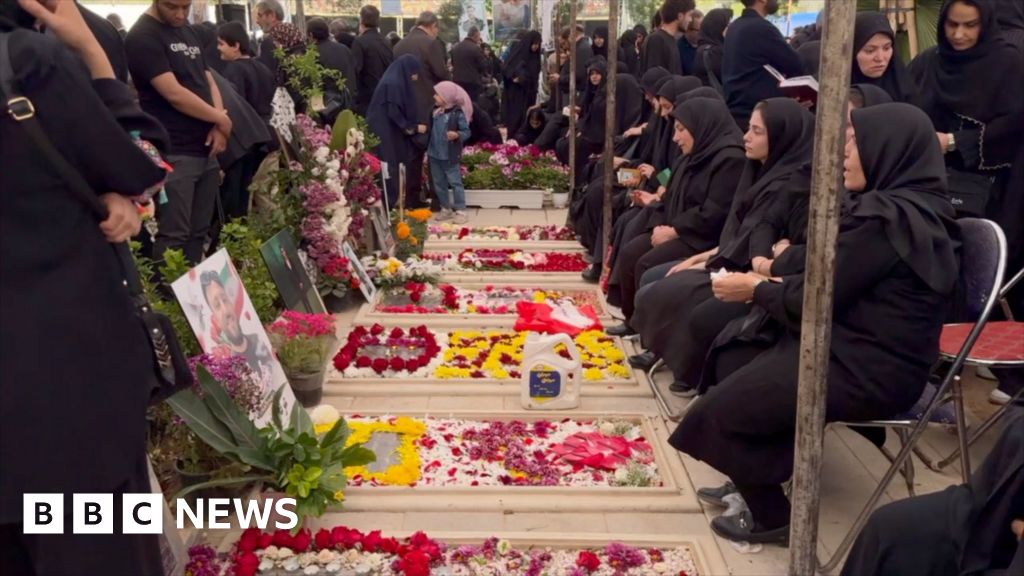

Voices from Iran: A Nation Struggling Under the Weight of War and Repression
Tehran, Iran – October 2023
In the shadow of escalating regional conflicts and tightening government control, the people of Iran are living through a silent crisis. With an internet blackout stifling communication and a crackdown on dissent intensifying, ordinary citizens are left grappling with the dual burdens of war and oppression. Amid this turmoil, the BBC has managed to pierce the veil of silence, speaking directly to Iranians whose lives have been irrevocably altered by the relentless pressures of conflict and authoritarian rule. Their stories paint a stark picture of a nation in distress, where fear and resilience coexist in uneasy tension.
The Human Cost of Conflict
Iran’s involvement in regional wars, particularly its proxy engagements in the Middle East, has exacted a heavy toll on its population. While government rhetoric emphasizes strategic victories and national pride, the reality on the ground tells a different story. Families are mourning the loss of loved ones sent to fight in distant battlegrounds, while those who return often bear the invisible scars of trauma.
In conversations with the BBC, citizens revealed the profound psychological toll of living in a perpetual state of war. One mother from Tehran shared her anguish over her son’s deployment to Syria, describing sleepless nights spent worrying about his safety. Another man, a veteran of the Iran-Iraq War, spoke of how the current conflicts have reopened old wounds, leaving him haunted by memories he had worked hard to bury.
These personal accounts underscore the human cost of Iran’s military engagements, which extend far beyond the battlefield. They highlight the growing disconnect between the government’s geopolitical ambitions and the lived experiences of its people.
A Nation Silenced: The Internet Blackout
Adding to the hardship is the government’s decision to impose a sweeping internet blackout, effectively cutting off Iranians from the outside world. The move, framed as a measure to prevent the spread of misinformation, has instead exacerbated the isolation of a population already burdened by economic hardship and social unrest.
For many, the internet ban has turned an already difficult situation into a suffocating ordeal. With limited access to news and social media, citizens are struggling to stay informed about both local and global events. Trusted sources of information have become increasingly scarce, leaving people vulnerable to rumors and government propaganda.
The blackout has also disrupted vital lines of communication, making it harder for families to stay in touch with relatives abroad and for activists to organize and mobilize. In a country where dissent is swiftly punished, the absence of a digital lifeline has left many feeling powerless and alone.
The Global Context: Why Iran Matters
Iran’s internal struggles are not just a domestic issue; they have far-reaching implications for global security and stability. As a key player in the Middle East, Iran’s actions—and inactions—shape the trajectory of regional conflicts, from the ongoing crisis in Yemen to the simmering tensions in Syria and Iraq.
The Iranian government’s ability to maintain control amid rising internal pressures is critical to understanding the broader geopolitical landscape. A destabilized Iran could lead to a power vacuum in the region, potentially emboldening extremist groups and further complicating efforts to broker peace.
Moreover, Iran’s internal crackdown on dissent and its use of internet blackouts raise important questions about the global struggle for digital freedom. As authoritarian regimes increasingly turn to censorship and surveillance to suppress opposition, Iran’s experience serves as a cautionary tale for the international community.
Resilience Amid Despair
Despite the bleak picture, there are glimmers of hope. In the face of repression and hardship, many Iranians are finding ways to resist and persevere. Activists are using encrypted messaging apps to bypass the internet ban, while ordinary citizens are banding together to support one another in times of need.
One young woman interviewed by the BBC spoke of her determination to continue advocating for change, even in the face of mounting risks. “We have no choice but to keep fighting,” she said. “If we give up now, we lose everything.”
Such stories of resilience are a testament to the enduring spirit of the Iranian people. They remind us that even in the darkest of times, the human capacity for hope and courage can shine through.
Conclusion: A Call for Attention
As the world grapples with its own challenges, the plight of Iranians must not be overlooked. Their struggles offer a window into the broader dynamics of war, repression, and resilience that define our current era. By amplifying their voices, we not only shed light on a critical issue but also reaffirm our shared commitment to justice and human dignity.
The choices Iran makes in the coming months will have profound consequences, not just for its people but for the global community as a whole. It is a moment that demands attention, empathy, and action—a moment that could shape the course of history for years to come.
This is not just Iran’s story; it is our story, too. And it is one we cannot afford to ignore.
