



Ukraine Faces Unprecedented Drone Onslaught as Russia Intensifies Attacks
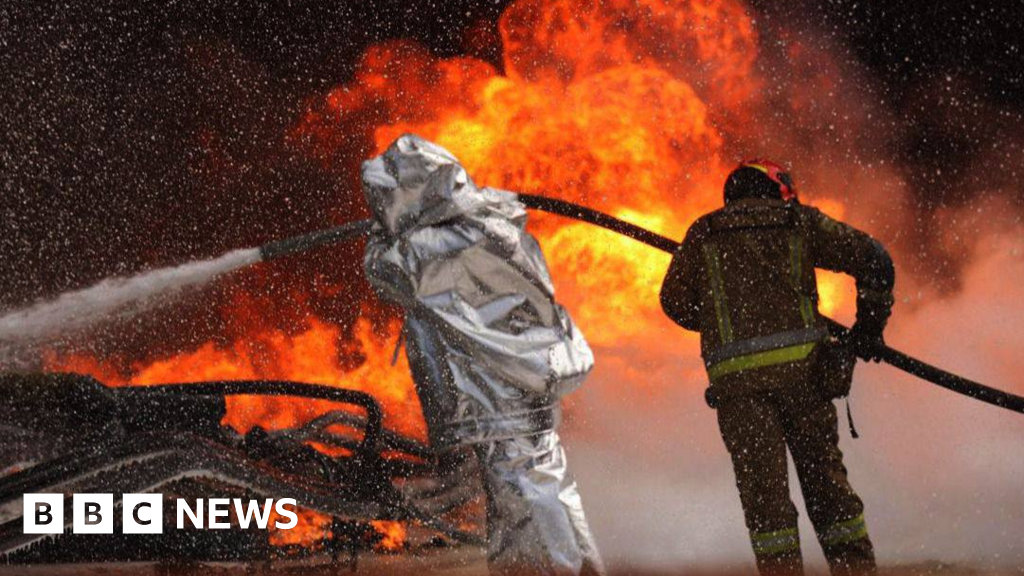
In what appears to be one of the most relentless aerial assaults since the war began, Ukraine reported an unprecedented barrage of Russian drone strikes on Wednesday. Between the early morning and late afternoon, an astonishing 753 drones were launched across Ukrainian territory, following an initial wave of 139 drones overnight. While Ukrainian air defenses intercepted the majority of these attacks, 27 drones successfully struck their targets, with debris from another 26 causing additional damage on the ground. The sheer scale and intensity of this assault mark a troubling escalation in Russia’s campaign to overwhelm Ukraine’s defenses and cripple its infrastructure.
A New Phase in the Drone War
The use of drones in the Russia-Ukraine conflict has evolved significantly since the war began in February 2022. Initially employed for surveillance and precision strikes, drones have increasingly become a primary tool for conducting mass attacks on civilian and military targets. Wednesday’s onslaught highlights Russia’s growing reliance on swarm tactics, deploying large numbers of relatively inexpensive drones to exhaust Ukrainian air defenses and inflict widespread damage.
Experts note that this strategy reflects a broader shift in modern warfare, where drone technology is being leveraged to conduct asymmetric assaults. Ukraine, for its part, has also utilized drones effectively, targeting Russian supply lines and infrastructure. However, the latest attacks underscore Russia’s capacity to escalate its drone operations significantly, raising concerns about Ukraine’s ability to sustain its defenses in the face of such relentless bombardment.
The Global Context: Drone Warfare and Its Implications
The escalation of drone warfare in Ukraine is not just a regional concern but a global one. The conflict has become a testing ground for the use of drones in large-scale military operations, with implications for conflicts around the world. Nations observing the war are closely studying its lessons, recognizing that drone technology is reshaping the battlefield and democratizing access to advanced military capabilities.
Moreover, the widespread use of drones highlights vulnerabilities in air defense systems designed to counter traditional threats like missiles and aircraft. Ukraine’s success in intercepting the majority of the drones demonstrates the effectiveness of modern air defense systems, but the sheer volume of attacks exposes their limitations. This has prompted discussions among military strategists about the need to develop new technologies and tactics to counter drone swarms effectively.
Why This Matters
The intensification of drone attacks in Ukraine has far-reaching consequences. First, it underscores the devastating human cost of the war. While drones are often portrayed as precision weapons, their indiscriminate use in large numbers increases the risk of civilian casualties and infrastructure damage. Wednesday’s strikes reportedly targeted urban centers and critical infrastructure, exacerbating the humanitarian crisis in Ukraine.
Second, the use of drones as a primary weapon of war has economic implications. The cost of producing and deploying drones is significantly lower than that of traditional missiles or aircraft, enabling nations with limited resources to conduct sustained military campaigns. This could lead to a proliferation of drone technology in conflict zones, further destabilizing regions already grappling with violence.
Finally, the escalation highlights the urgent need for international efforts to regulate the use of drones in warfare. As drones become more accessible and sophisticated, the potential for misuse by both state and non-state actors grows, posing a threat to global security.
Ukraine’s Response and International Support
In the face of this unprecedented assault, Ukraine has continued to demonstrate resilience. The Ukrainian Air Force reported that its air defense systems intercepted a significant portion of the drones, showcasing the effectiveness of Western-supplied equipment. Countries like the United States, Germany, and the United Kingdom have provided Ukraine with advanced air defense systems, including the Patriot missile system, which has proven crucial in countering Russian attacks.
However, the sheer scale of Wednesday’s strikes underscores the challenges Ukraine faces in maintaining its defenses. The country has repeatedly called for additional military aid, emphasizing the need for more advanced systems to counter drone swarms and other evolving threats. The international community’s response to these appeals will play a critical role in shaping the trajectory of the war.
The Broader Implications for Global Security
The escalation of drone warfare in Ukraine serves as a stark reminder of the changing nature of conflict in the 21st century. As technology advances, traditional notions of warfare are being upended, with drones emerging as a potent and versatile tool. This shift poses challenges not only for Ukraine but for the global community as a whole.
The conflict has already influenced military strategies worldwide, with nations investing heavily in drone technology and counter-drone systems. It has also sparked debates about the ethical and legal implications of using drones in warfare, particularly regarding accountability and civilian protection.
Conclusion: A New Era of Warfare
Wednesday’s massive drone assault on Ukraine marks a pivotal moment in the ongoing conflict, highlighting the devastating potential of drone warfare and the urgent need for global action. As Russia continues to refine its tactics and escalate its attacks, the international community must grapple with the broader implications of this new era of warfare.
For Ukraine, the immediate challenge lies in defending its territory and protecting its people from relentless attacks. For the world, the conflict serves as a wake-up call, underscoring the need to adapt to the realities of modern warfare and address the threats posed by emerging technologies. The stakes could not be higher, and the time to act is now.
