


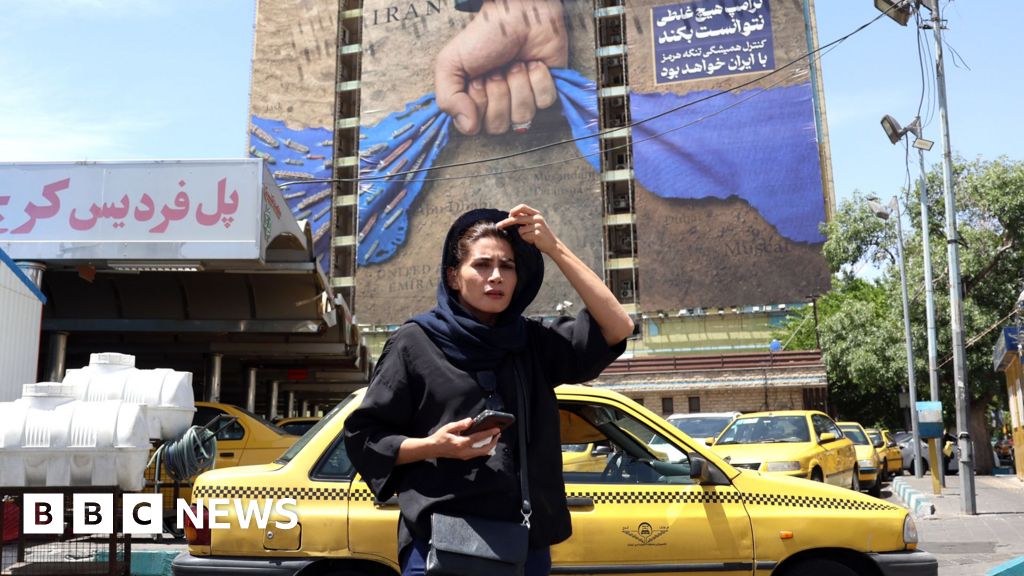

Stalled Nuclear Talks: Iran Accuses US of Failing to Offer “Concrete Concessions”
Diplomatic Deadlock as Iran-US Negotiations Falter
The latest round of nuclear negotiations between Iran and the United States has hit another roadblock, with Iranian state media accusing Washington of failing to provide meaningful concessions in response to Tehran’s proposals. The stalemate threatens to derail months of delicate diplomacy aimed at reviving the 2015 nuclear deal, raising fears of renewed escalation in a region already plagued by proxy conflicts and geopolitical tensions.
With both sides entrenched in their positions, the risk of a wider confrontation looms—one that could destabilize global energy markets, strain US-European relations, and embolden hardliners in Tehran. As the diplomatic window narrows, the world watches to see whether compromise is still possible—or if the Middle East is headed toward another dangerous standoff.
Iran’s Frustration: “No Tangible Steps” from Washington
Citing unnamed officials, Iranian state media reported that the US had not offered “concrete concessions” in recent indirect talks, despite Tehran presenting revised proposals. While details remain undisclosed, Iranian negotiators have repeatedly demanded guarantees that future US administrations will not abandon the deal, as former President Donald Trump did in 2018.
Washington, meanwhile, insists that Iran must first return to full compliance with the Joint Comprehensive Plan of Action (JCPOA), including rolling back its uranium enrichment to pre-2018 levels. The Biden administration has also pressed for broader discussions on Iran’s ballistic missile program and regional activities—a non-starter for Tehran.
The lack of progress has frustrated European mediators, who warn that time is running out to salvage the agreement.
Global Implications: Energy Markets and Regional Security at Stake
The breakdown in talks carries significant risks beyond the negotiating table.
1. Oil Prices and Economic Fallout
Iran sits on some of the world’s largest oil reserves, and a revived nuclear deal would allow it to resume exports at full capacity—potentially easing global energy shortages. However, continued deadlock could push crude prices higher, exacerbating inflation in Western economies already struggling with rising fuel costs.
2. Escalation in the Middle East
If diplomacy fails, Iran may accelerate its nuclear program further, raising the specter of military confrontation. Israel has repeatedly warned it will not tolerate a nuclear-armed Iran, while Tehran-backed militias in Iraq, Syria, and Yemen could intensify attacks on US and allied interests.
3. US-Europe Relations Under Strain
European powers remain committed to the JCPOA, but Washington’s reluctance to lift sanctions without stricter conditions has caused friction. A complete collapse of talks could deepen transatlantic divisions over how to handle Iran.
Why This Matters Beyond the Middle East
The Iran nuclear issue is not just a regional dispute—it has far-reaching consequences:
- Nuclear Proliferation Concerns: If Iran moves closer to weapons-grade enrichment, it could trigger a regional arms race, with Saudi Arabia and Turkey potentially pursuing their own nuclear programs.
- Impact on Ukraine War Diplomacy: A failure in Iran talks could further erode trust in US-led negotiations, complicating efforts to resolve other global crises.
- China and Russia’s Role: Both nations have deepened ties with Iran, using the standoff to challenge US influence. A prolonged impasse could push Tehran further into their orbit.
What Happens Next?
With neither side willing to blink first, the path forward remains uncertain. Key developments to watch:
- EU Mediation Efforts: Can European diplomats bridge the gap, or will talks collapse entirely?
- Iran’s Nuclear Advances: Will Tehran cross irreversible thresholds, forcing a US or Israeli response?
- Domestic Pressures: Hardliners in both Washington and Tehran may resist compromise, leaving little room for flexibility.
A Fragile Peace Hangs in the Balance
The world is once again at a crossroads with Iran. The failure to reach a deal risks not just a return to sanctions and sabre-rattling, but a dangerous new chapter of instability in an already volatile region. For global markets, regional security, and the future of nuclear diplomacy, the stakes could not be higher.
As diplomats weigh their next moves, one thing is clear: without compromise, the alternative may be a crisis no one can afford.
