



Dramatic Clashes at Sea as Gaza Blockade Sparks Global Tensions
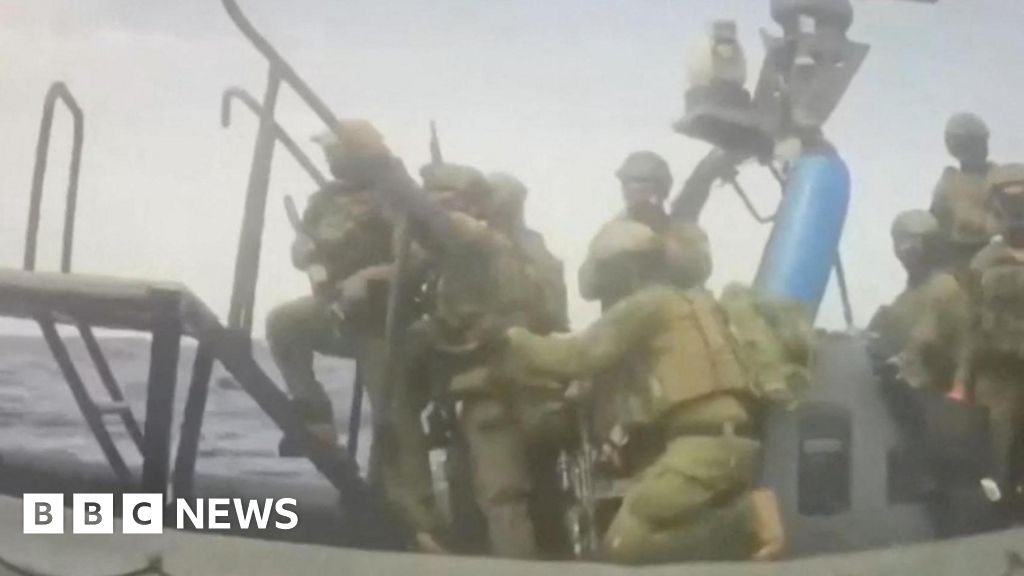
In a tense confrontation on the high seas, commandos stormed several vessels attempting to breach the Gaza maritime blockade, escalating a decades-long geopolitical standoff into a high-stakes international incident. Live broadcasts from the Global Sumud flotilla captured dramatic scenes of armed forces boarding the boats, underscoring the fragility of regional stability and reigniting debates over maritime security, humanitarian access, and international law. This incident, unfolding against a backdrop of worsening humanitarian conditions in Gaza and heightened global tensions, serves as a stark reminder of the complexities surrounding one of the world’s most protracted conflicts.
The Incident: Commandos Intercept Flotilla
The Global Sumud flotilla, a convoy of civilian ships carrying activists and humanitarian aid, set sail with the stated aim of breaking Israel’s longstanding maritime blockade of Gaza. As the flotilla approached the contested waters, Israeli commandos swiftly intervened, boarding several vessels to prevent their passage. Live footage showed chaotic scenes as activists and armed forces clashed, with reports of minor injuries on both sides.
The Israeli military defended its actions, stating that the blockade is a necessary security measure to prevent the smuggling of weapons into Gaza, which is controlled by Hamas, a group designated as a terrorist organization by Israel, the United States, and the European Union. However, organizers of the flotilla accused Israel of violating international law and exacerbating the humanitarian crisis in Gaza by restricting essential supplies from reaching the beleaguered population.
Global Context: A Blockade Under Scrutiny
Israel’s maritime blockade of Gaza, imposed in 2007, has long been a flashpoint in the Israeli-Palestinian conflict. The blockade restricts the movement of goods and people by sea, leaving Gaza heavily reliant on land crossings, which are also tightly controlled. Critics argue that the blockade amounts to collective punishment, depriving Gaza’s 2.3 million residents of basic necessities, including food, medicine, and fuel.
The international community remains deeply divided on the issue. While Israel and its allies argue that the blockade is essential for national security, human rights organizations and some UN bodies have condemned it as a violation of international humanitarian law. Previous attempts to breach the blockade, such as the infamous 2010 Gaza flotilla raid, which resulted in the deaths of nine activists, have drawn widespread condemnation and sparked diplomatic crises.
This latest incident comes amid worsening conditions in Gaza, where years of conflict, economic stagnation, and tightening restrictions have pushed the region to the brink of humanitarian disaster. The flotilla’s organizers hoped to draw attention to Gaza’s plight, but their efforts have instead reignited tensions and raised questions about the efficacy and ethics of such missions.
Why This Matters: Broader Implications for Global Security
The confrontation at sea is not merely a localized skirmish but a microcosm of broader global challenges. It highlights the delicate balance between national security and humanitarian concerns, a dilemma faced by nations around the world. The Gaza blockade, and efforts to challenge it, also reflect the enduring complexities of the Israeli-Palestinian conflict, a geopolitical flashpoint with implications far beyond the Middle East.
Moreover, the incident underscores the growing role of civilian activism in global conflicts. While such efforts often aim to draw attention to overlooked crises, they can also escalate tensions and provoke forceful responses from state actors. The use of military force against civilian vessels raises thorny legal and ethical questions, particularly in international waters where maritime law governs such interactions.
For the international community, the flotilla incident serves as a reminder of the urgent need for diplomatic solutions to the Israeli-Palestinian conflict. Without meaningful progress toward peace and reconciliation, such confrontations are likely to recur, with potentially devastating consequences for regional stability and global security.
Humanitarian Crisis in Gaza: A Growing Concern
At the heart of the flotilla’s mission lies a dire humanitarian crisis. Gaza, often described as an “open-air prison,” faces chronic shortages of essential supplies, exacerbated by the blockade and recurrent military conflicts. The region’s infrastructure, already strained by years of neglect and damage, is ill-equipped to meet the needs of its population.
The COVID-19 pandemic has further compounded these challenges, overwhelming Gaza’s healthcare system and deepening economic hardship. Despite occasional humanitarian aid shipments, many essentials remain in short supply, leaving families struggling to access food, clean water, and medical care.
The flotilla’s activists argue that their mission is driven by a moral imperative to alleviate suffering and challenge injustice. However, their efforts also highlight the limitations of grassroots initiatives in addressing systemic issues that require political solutions.
Looking Ahead: Navigating a Path to Peace
The latest flotilla incident underscores the urgent need for renewed diplomatic efforts to address the root causes of the Israeli-Palestinian conflict. While the blockade remains a contentious issue, its resolution will require dialogue, compromise, and a commitment to upholding international law and human rights.
For the international community, the challenge lies in balancing support for Israel’s security with the imperative to address Gaza’s humanitarian crisis. This delicate task will require sustained engagement from global leaders, humanitarian organizations, and civil society.
As the world watches the fallout from this latest maritime clash, one thing is clear: the status quo is unsustainable. Without meaningful progress toward peace, the cycle of conflict and confrontation will continue, with dire consequences for the people of Gaza and the broader region.
Closing Paragraph: A Call for Global Action
The dramatic scenes from the Global Sumud flotilla serve as a stark reminder of the human cost of conflict and the urgent need for global action. While the blockade and its challengers represent divergent perspectives, their shared imperative must be to end the suffering of Gaza’s people and pave the way for a just and lasting peace. As tensions simmer on the high seas, the international community faces a critical choice: to remain passive observers or to take bold steps toward resolving one of the world’s most intractable conflicts. The stakes could not be higher.
