


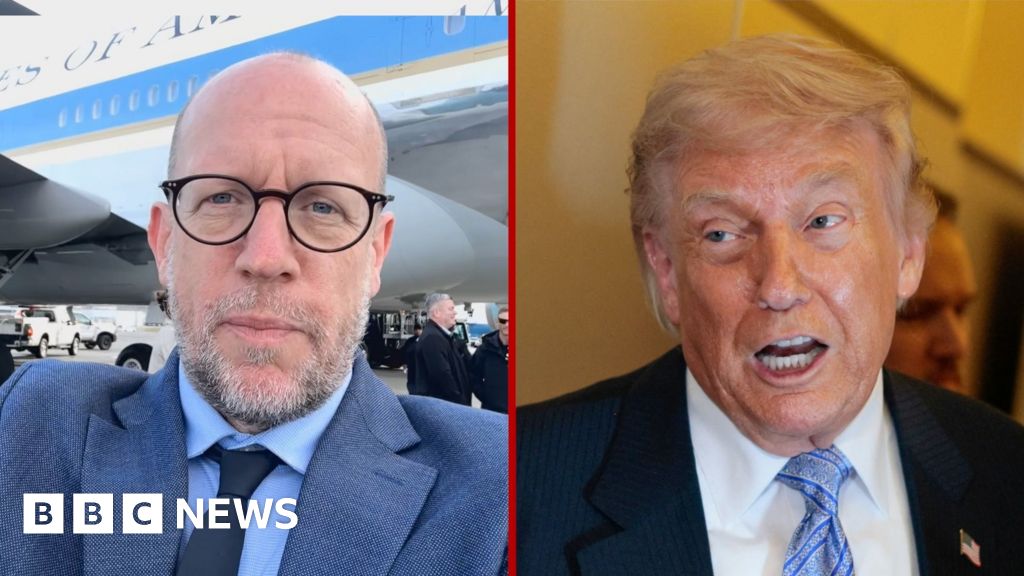

Global Tensions Rise as Trump Calls on China to Help Secure Strait of Hormuz
A Chokepoint in Crisis: The Strait of Hormuz at the Center of Geopolitical Struggle
The Strait of Hormuz, a narrow waterway barely 21 miles wide at its narrowest point, has once again become the focal point of global tensions. As Iran and the West engage in a high-stakes standoff over nuclear ambitions and regional influence, former U.S. President Donald Trump has urged China to intervene—a move that could reshape alliances in an already volatile region. The call comes amid escalating maritime confrontations, raising fears of a broader conflict that could disrupt global oil supplies and ignite a wider war.
Why the Strait of Hormuz Matters
The Strait of Hormuz is the world’s most critical oil transit route, with nearly 20% of global oil supplies passing through its waters daily. Any disruption—whether from military blockades, attacks on tankers, or outright conflict—could send oil prices skyrocketing, destabilizing economies from Europe to Asia.
Recent months have seen increased Iranian naval activity, including seizures of commercial vessels and confrontations with U.S. and British warships. Meanwhile, Tehran continues to enrich uranium at near-weapons-grade levels, defying Western sanctions and diplomatic efforts. The situation has left global powers scrambling to prevent an all-out crisis.
Trump’s Call for Chinese Intervention: A Strategic Gambit?
During an exchange with the BBC, former President Trump suggested that China could play a decisive role in pressuring Iran to keep the Strait open. His remarks highlight a rarely discussed but crucial dynamic: Beijing’s growing influence in the Middle East.
China, Iran’s largest oil customer and a key economic lifeline, has maintained a delicate balancing act—supporting Tehran economically while avoiding direct confrontation with the U.S. If Beijing were to exert pressure, it could force Iran to de-escalate. However, China has historically resisted aligning with Western-led security efforts, preferring to protect its own energy interests without entanglement in regional conflicts.
Global Implications: A Fragile Balance of Power
The U.S. and its allies have long dominated security in the Persian Gulf, but shifting alliances are complicating the picture. Russia’s deepening military ties with Iran, including drone and missile technology transfers, have emboldened Tehran. Meanwhile, China’s brokering of a Saudi-Iran détente last year demonstrated its rising diplomatic clout.
If China were to take a more assertive role in Hormuz security, it could signal a broader power shift—one where Washington no longer holds sole sway over global energy corridors. Alternatively, if Beijing refuses to act, the risk of a U.S.-Iran clash grows, with unpredictable consequences for global markets and regional stability.
What Happens Next?
The immediate concern is whether diplomatic channels can prevent further escalation. The U.S. and Europe remain committed to containing Iran’s nuclear program, but sanctions alone have failed to curb Tehran’s ambitions. Meanwhile, Israel has repeatedly warned it will not tolerate a nuclear-armed Iran, raising the specter of unilateral military action.
For now, all eyes are on China. Will it leverage its economic ties with Iran to stabilize the region, or will it stay on the sidelines, leaving the West to manage another crisis in the Gulf? The answer could determine whether the Strait of Hormuz remains a strategic waterway—or a flashpoint for war.
Conclusion: A Test of Global Leadership
The Strait of Hormuz crisis is more than a regional dispute—it is a litmus test for 21st-century power dynamics. As old alliances fray and new players rise, the world faces a critical question: Who will ensure the free flow of energy that underpins the global economy? The next moves by Washington, Beijing, and Tehran could either avert disaster or set the stage for a conflict with far-reaching consequences. One thing is certain: In an interconnected world, the stakes have never been higher.
