



The Rise of Machines on the Frontlines: A New Era of Warfare Unfolds
The battlefield is no longer just a human domain. Across the globe, the clatter of boots is being drowned out by the whir of drones, the rumble of autonomous vehicles, and the silent precision of artificial intelligence. Once confined to science fiction, the reality of machines replacing humans in combat is now unfolding with alarming speed. From Ukraine’s drone-laden skies to the deserts of the Middle East, unmanned systems are reshaping the very nature of warfare. Yet, as nations race to embrace this technological revolution, a critical question looms: Can machines truly replace the human soldier in defending territory, or are they merely another tool in an age-old struggle for dominance?
The Global Shift Toward Autonomous Warfare
The use of machines in warfare is not entirely new, but the scale and sophistication of their deployment have reached unprecedented levels. According to recent reports, unmanned aerial vehicles (UAVs), autonomous ground vehicles, and AI-driven systems are now integral to military operations worldwide. In Ukraine, for instance, drones have become a cornerstone of the conflict, used for reconnaissance, targeted strikes, and even psychological warfare. Meanwhile, countries like the United States, China, and Israel are investing heavily in robotic systems that can perform tasks ranging from logistics to direct combat.
This shift is driven by several factors. First, machines offer strategic advantages: they can operate in environments too dangerous for humans, reduce the risk of casualties, and provide a cost-effective solution for prolonged conflicts. Second, advancements in AI and robotics have made these systems more reliable and versatile than ever before. Third, the increasing digitization of warfare has created a demand for precision and speed that only machines can deliver.
The Human Element: Why Troops Remain Indispensable
Despite the rise of machines, human soldiers remain crucial to military operations. Experts argue that while machines excel at specific tasks, they lack the adaptability, intuition, and moral judgment required for complex battlefield scenarios. For example, drones can deliver precise strikes but cannot negotiate with local populations or make split-second decisions in rapidly evolving situations.
Furthermore, the defense of territory often requires boots on the ground. Occupying and holding land involves not just physical presence but also building relationships with local communities, gathering intelligence, and responding to unforeseen challenges—tasks that are inherently human. “Machines can augment human capabilities, but they cannot replace the human element in warfare,” says Dr. Michael Clarke, a defense analyst at King’s College London.
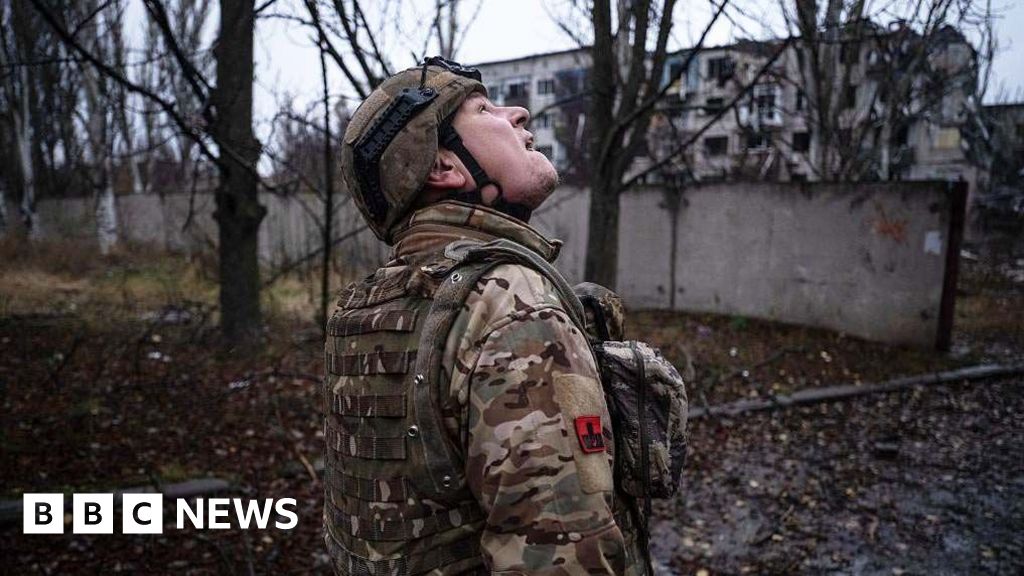
This duality is evident in conflicts like the war in Ukraine, where advanced drone technology coexists with traditional trench warfare. Ukrainian soldiers, armed with both drones and rifles, embody this hybrid approach, blending cutting-edge technology with age-old tactics.
The Global Implications of Autonomous Warfare
The increasing reliance on machines in warfare has far-reaching implications for global security. One major concern is the escalation of conflicts. Machines lower the threshold for engaging in warfare, as they reduce the political and human costs associated with sending troops into harm’s way. This could embolden nations to pursue more aggressive military strategies, potentially destabilizing regions already fraught with tension.
Another issue is the ethical and legal dilemmas posed by autonomous weapons. Who is accountable when a machine makes a fatal error? Can AI be trusted to comply with international laws of war? These questions remain unanswered, sparking debates among policymakers, ethicists, and military leaders.
The proliferation of military technology also raises the specter of an arms race. Countries like China and Russia are rapidly developing their own autonomous systems, prompting fears of a new Cold War dominated by AI-powered weaponry. Meanwhile, non-state actors, including terrorist groups, are increasingly acquiring and deploying drones, blurring the lines between conventional and asymmetric warfare.
Why This Matters: A Global Perspective
The rise of machines in warfare is not just a military issue; it is a global concern with profound implications for humanity. For one, it challenges our understanding of conflict and its consequences. Wars fought with machines may seem less brutal, but they could also become more frequent and prolonged, with devastating effects on civilians and infrastructure.
Moreover, the shift toward autonomous warfare raises questions about the future of work and society. As machines take over more roles traditionally performed by humans, what happens to the soldiers who once filled those roles? Could this lead to a new form of unemployment or, conversely, a redefinition of military careers?
Finally, the ethical dilemmas posed by autonomous weapons force us to confront fundamental questions about humanity’s role in warfare. Are we willing to delegate life-and-death decisions to machines? And what does it mean for the future of conflict if we do?
Conclusion: A New Chapter in Warfare
The integration of machines into warfare marks a pivotal moment in military history. While these systems offer unprecedented capabilities, they also pose significant challenges that must be addressed. The human soldier remains indispensable, not just as a combatant but as a moral compass in the chaos of war.
As the world navigates this new era of autonomous warfare, the stakes could not be higher. The decisions we make today will shape the future of conflict, determining whether machines serve as tools of peace or harbingers of destruction. In this rapidly evolving landscape, one thing is clear: the balance between man and machine will define the course of warfare—and perhaps the fate of humanity itself.
