



Global Coral Crisis: The Silent Threat to Marine Ecosystems and Global Security
The world’s coral reefs, often referred to as the “rainforests of the sea,” are dying at an alarming rate. While scientists like Monica Montefalcone have dedicated their lives to studying these fragile ecosystems, their warnings are often met with indifference. Her decades of research, particularly in the Maldives, have produced invaluable data, yet the global response remains woefully inadequate. As coral reefs vanish, so too does a critical pillar of marine biodiversity, food security, and coastal protection, leaving millions vulnerable to the cascading consequences of ecological collapse.
The Coral Crisis: A Global Emergency
Coral reefs cover less than 1% of the ocean floor but support nearly 25% of all marine life. They are home to thousands of species, many of which are endemic and found nowhere else on Earth. These ecosystems also provide livelihoods for over half a billion people worldwide, particularly in developing nations where coastal communities rely on fishing and tourism.
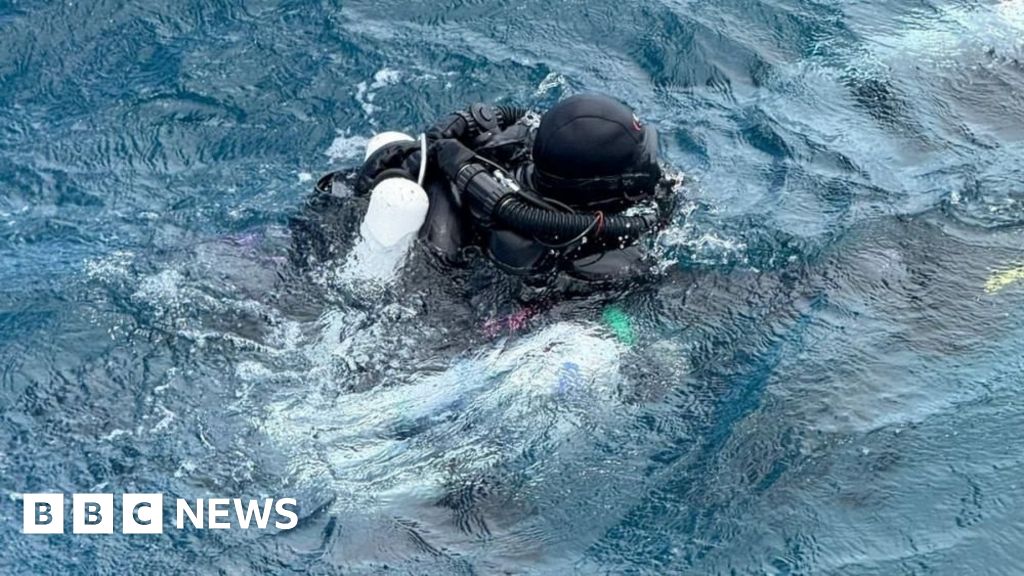
Monica Montefalcone, a leading marine biologist, has spent years studying coral reefs in the Maldives, a nation renowned for its pristine marine environments. Her work has become a cornerstone of coral research, with hundreds of graduate students worldwide relying on her data for their theses. Yet, despite her contributions, the urgency of the coral crisis remains underappreciated.
The primary threats to coral reefs are well-documented: rising sea temperatures due to climate change, ocean acidification, overfishing, and pollution. Between 2009 and 2018, the world lost approximately 14% of its coral reefs, according to a report by the Global Coral Reef Monitoring Network. If current trends continue, scientists predict that up to 90% of coral reefs could vanish by mid-century.
Why This Matters: Beyond the Ocean
The loss of coral reefs is not just an environmental issue; it is a matter of global security. Reefs act as natural barriers, protecting coastlines from storms and erosion. Their disappearance exacerbates the impact of natural disasters, fueling displacement and migration. For island nations like the Maldives, this could mean the loss of entire communities to rising sea levels.
Coral reefs also play a critical role in global food security. Millions depend on reef-associated fisheries for sustenance and income. As reefs degrade, fish populations decline, threatening the livelihoods of vulnerable populations and increasing the risk of food insecurity in regions already grappling with poverty and instability.
Moreover, coral reefs are a source of new medicines, with compounds derived from marine organisms used to treat diseases such as cancer and Alzheimer’s. Their destruction could stifle medical advancements, leaving millions without access to life-saving treatments.
The Global Response: Too Little, Too Late
Efforts to protect coral reefs have been fragmented and underfunded. While initiatives like marine protected areas and coral restoration projects have shown promise, they are insufficient to address the scale of the crisis. Governments and international organizations must prioritize coral conservation as a global imperative, investing in research, policy, and community engagement.
Climate change remains the greatest threat to coral reefs, and global leaders must take decisive action to reduce greenhouse gas emissions. The Paris Agreement, while a step in the right direction, has yet to deliver the systemic changes needed to curb global warming. Without urgent intervention, the window to save coral reefs will close, with devastating consequences for the planet.
A Call to Action: The Time is Now
The story of Monica Montefalcone and her work in the Maldives is a microcosm of a larger, global issue. Her dedication to understanding coral reefs highlights the importance of scientific research in addressing environmental challenges. Yet, science alone is not enough. It must be coupled with political will, public awareness, and collective action.
The loss of coral reefs is a sobering reminder of the interconnectedness of our world. What happens beneath the surface of the ocean resonates far beyond its shores, impacting ecosystems, economies, and societies. As the clock ticks, the question remains: will we act to save these vital ecosystems, or will we allow them to slip away, leaving behind a planet irrevocably altered?
The fate of coral reefs is a test of humanity’s ability to confront existential threats. Their survival depends on our willingness to listen to scientists like Montefalcone, to recognize the stakes, and to act with urgency before it’s too late.
