


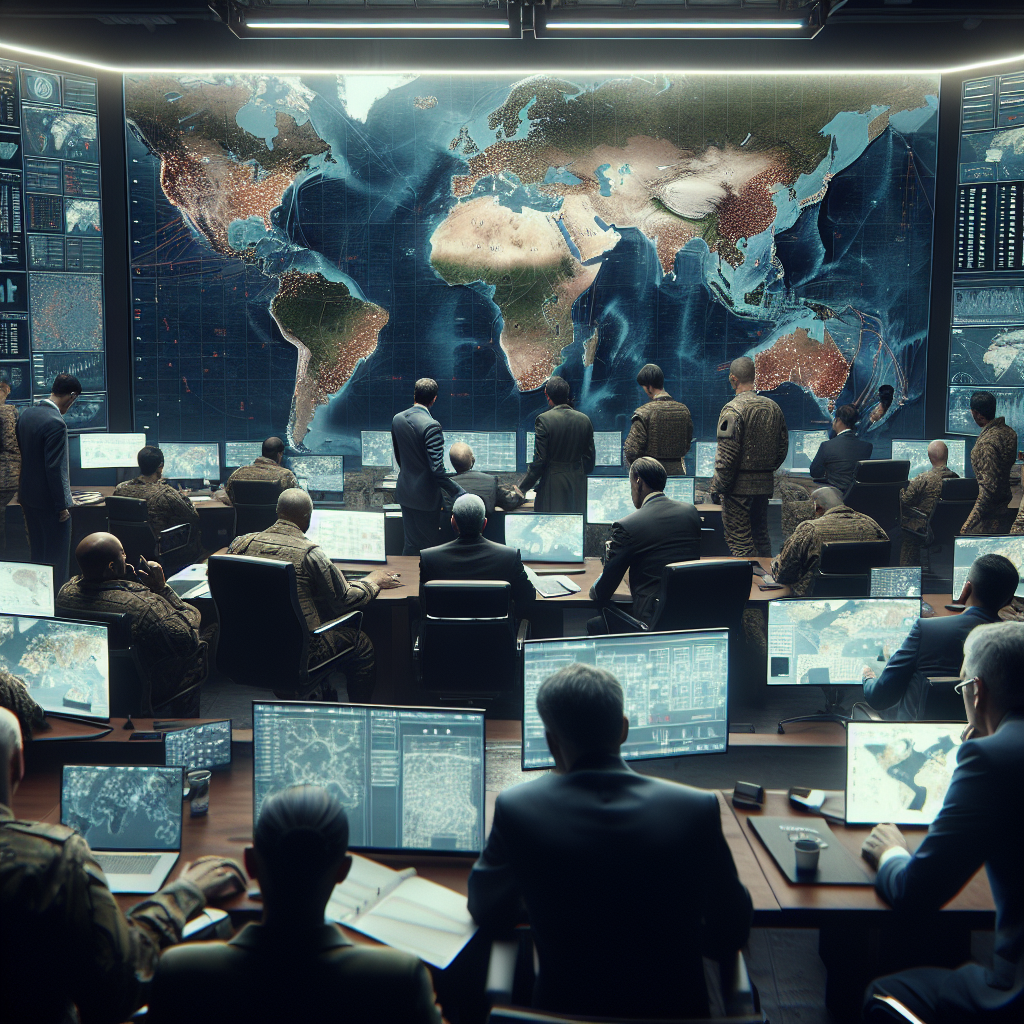

Escalating Conflict: US-Israel-Iran Warfare Enters Third Day
As the sun sets over the Middle Eastern landscape, the cacophony of airstrikes and drone assaults paints a grim portrait of escalating violence between the United States, Israel, and Iran. The conflict, which has quickly engulfed the region, entered its third day marked by rapid shifts on the battlefield and significant geopolitical repercussions. Eyewitness accounts from Iran detail widespread devastation, as buildings lie in ruins and panic grips the population. This report delves into the latest developments, the regional implications, and the broader global stakes of this rapidly unfolding conflict.
Chronology of Violence: A Day of Strikes
On the ground, the situation remains fluid and chaotic. The United States has conducted targeted airstrikes in various locations across Iran, with preliminary reports suggesting significant casualties and extensive damage to infrastructure. In parallel, Israel has intensified its operations, launching missile strikes in Lebanon aimed at Hezbollah positions. The ongoing military maneuvers underscore a strategic calculus rooted in preemptive action against perceived threats.
Adding to the turbulence, three US fighter jets crashed in Kuwait under circumstances described by military officials as “apparent friendly fire.” Such incidents not only highlight the operational hazards of this conflict but also add another layer of complexity to an already volatile military landscape. Eyewitnesses report that the wreckage caused panic in the local population, which is already grappling with the wider implications of this escalating conflict.
Iranian Response and Broader Implications
The Iranian military’s response has been swift and aggressive. One significant development occurred when an Iranian drone targeted a British Royal Air Force base in Cyprus, resulting in an evacuation of personnel. This marked a significant escalation in cross-border hostilities that could invoke broader international involvement, particularly given the UK’s historical ties to NATO and its interests in maintaining stability in the region.
This widening conflict not only carries the risk of further military engagement but also threatens to draw in other global powers. The backdrop of heightened tensions among nations—including Russia and China, who have been vocal supporters of Iran—adds to the precariousness of the situation. The potential for a multi-national conflict looms large as countries reassess their alliances and strategize their next moves.
The Human Cost: Civilian Impact
Amidst the onslaught of military operations, a significant humanitarian crisis is emerging. Hospitals in Iran are reportedly overflowing with casualties, and the civilian population is increasingly caught in the crossfire. Reports from the ground indicate that air raid sirens are a constant source of terror for families seeking safety, highlighting the dire need for humanitarian assistance and intervention.
Mortar attacks and drone strikes can rapidly transform neighborhoods into war zones, leaving innocents vulnerable and displaced. International organizations are calling for urgent support and measures to ensure civilian protection, amplifying the voices of those impacted on the front lines.
Global Concerns: Economic and Political Fallout
The ramifications of the conflict extend far beyond the Middle East. With energy prices already volatile, the instability in the region risks further exacerbating global economic concerns. Nations dependent on oil imports are likely to feel the effects, leading to a ripple effect through markets that could destabilize economies worldwide. Current global energy supply chains are fragile, and any disruptions could lead to spikes in consumer prices, heightened inflation, and broader economic uncertainty.
Politically, the conflict poses a test for international diplomacy. Calls for restraint and dialogue are growing louder, yet the complexity of regional alliances often complicates even the most straightforward negotiations. The urgency for a brokered peace is palpable, as leaders around the world express concern about the potential for escalation into a broader war.
A Future Undecided: The Path Ahead
As military engagements continue and the death toll rises, the future of US-Israeli-Iranian relations remains uncertain. Global leaders must navigate a delicate balance of power while recognizing the human cost of continued violence. The essential question remains: will diplomacy prevail in the face of aggression, or is the world on the brink of a new, larger conflict?
The stakes are high not just for those directly involved but for the international community at large. As we witness the dramatic unfolding of events, the call for collective action toward peace resonates more than ever. The path forward requires strategic patience and decisive engagement, lest we awaken a dormant tempest with consequences felt across the globe. The world watches closely as history unfolds in real-time—a narrative fraught with the potential for both great danger and improbable hope.
Source: https://www.bbc.com/news/videos/c23zrpvln04o?at_medium=RSS&at_campaign=rss
