



Escalating Conflict: US-Israel Strikes on Iran and Hezbollah Trigger Regional Retaliation
A Dangerous New Front Opens in the Middle East
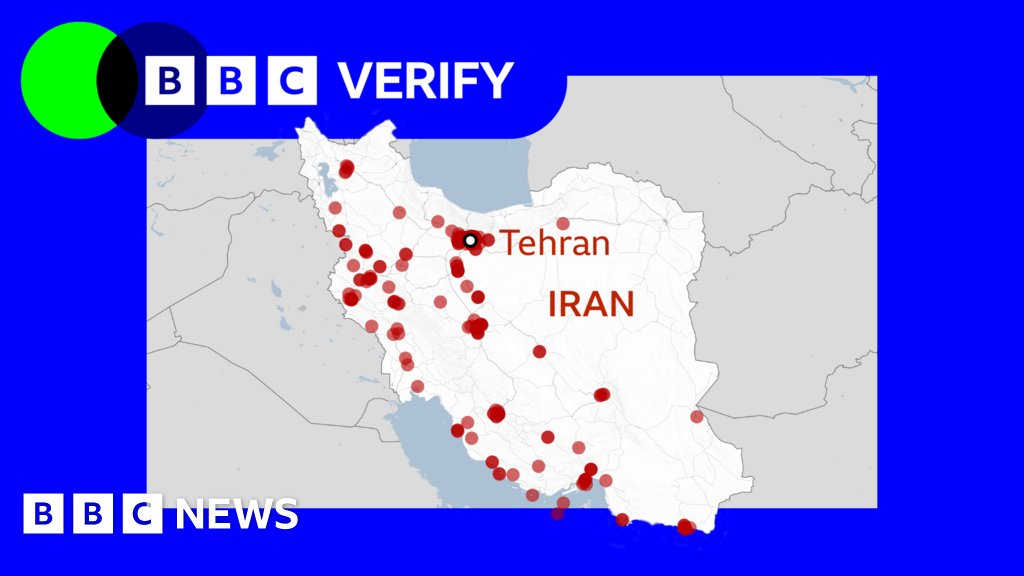
The Middle East stands on the brink of a wider war as U.S. and Israeli forces launch coordinated strikes against Iranian targets in Tehran and Hezbollah strongholds in Beirut. In retaliation, Iran-backed militias have unleashed drone and missile attacks on Israel and Gulf states, marking one of the most severe escalations since the Gaza conflict began. The strikes have intensified global fears of a direct confrontation between nuclear-armed Israel and Iran, risking a catastrophic regional spillover.
The Immediate Trigger: Retaliation and Escalation
The latest wave of violence began after a suspected Israeli airstrike on an Iranian consulate in Damascus earlier this month, killing senior Islamic Revolutionary Guard Corps (IRGC) commanders. Tehran vowed revenge, and U.S. intelligence warned of imminent attacks. In response, Washington and Tel Aviv preemptively struck IRGC bases in Tehran and Hezbollah’s military infrastructure in Lebanon.
Iran retaliated with drone swarms targeting U.S. bases in Iraq and Syria, while Hezbollah fired rockets into northern Israel. Gulf states, including Saudi Arabia and the UAE, reported intercepted missiles, raising concerns over broader economic disruption.
Global Implications: Oil Markets and Superpower Tensions
The conflict has sent shockwaves through global markets, with Brent crude oil prices surging past $90 a barrel—a five-month high. The Strait of Hormuz, a critical chokepoint for 20% of the world’s oil supply, remains under threat, prompting emergency talks among G7 nations.
Meanwhile, Washington faces mounting pressure to restrain Israel while avoiding direct war with Iran. China and Russia have condemned the U.S.-led strikes, accusing the West of destabilizing the region. Analysts warn that further escalation could drag major powers into a proxy war with unpredictable consequences.
Human Cost: Civilian Toll and Displacement
Beyond geopolitics, civilians bear the brunt of the violence. Lebanese towns near the Israeli border have seen mass evacuations, while Israeli communities face daily rocket barrages. In Tehran, residents report blackouts and explosions near military sites. Humanitarian groups warn of a looming crisis if hostilities spread to densely populated areas.
Why This Matters Beyond the Middle East
The conflict threatens to derail fragile diplomatic efforts, including Saudi-Israeli normalization talks and nuclear negotiations with Iran. A prolonged war could also strain U.S. military resources, diverting attention from Ukraine and Taiwan. For Europe, another refugee wave and energy shortages loom if the crisis deepens.
A Fragile Path Forward
With both sides entrenched, de-escalation appears distant. The U.S. has deployed additional warships to the region, while Iran signals readiness for a protracted conflict. The world watches nervously—aware that in the Middle East’s tinderbox, a single miscalculation could ignite a fire too vast to contain. As global powers scramble to prevent a wider war, the stakes have never been higher.
