



Iran’s Strategic Island: A Flashpoint in Global Energy Security
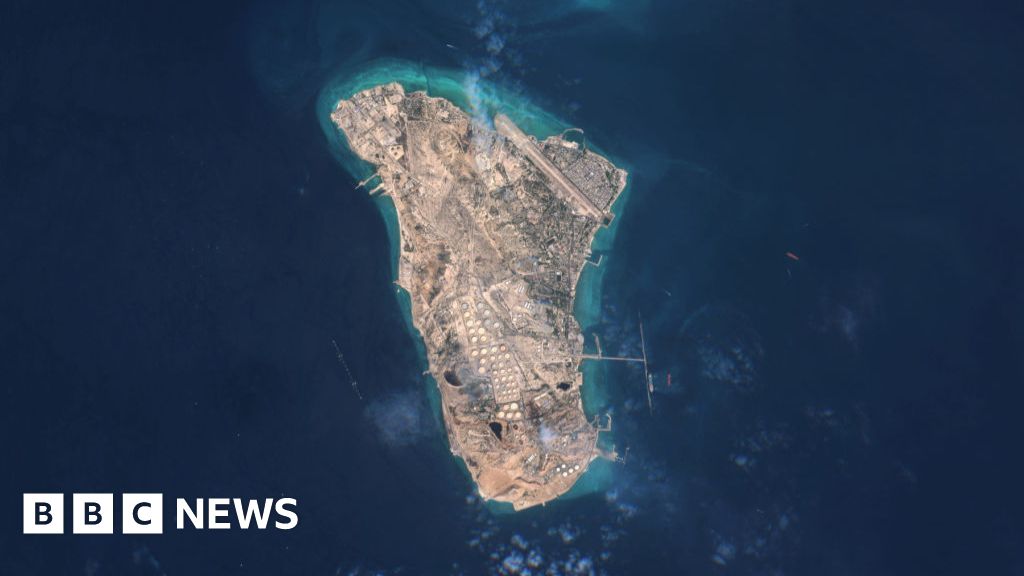
In the shimmering waters of the Persian Gulf lies a seemingly unremarkable island, barely visible on most world maps. Yet, this small patch of land harbors one of the most critical pieces of Iran’s energy infrastructure—a linchpin in the nation’s oil and gas economy and a focal point of geopolitical tensions. As global powers grapple with energy security, regional stability, and escalating conflicts, this island has emerged as a potential flashpoint with ramifications far beyond its shores.
The island’s strategic importance lies in its role as a hub for Iran’s energy exports, which account for a significant portion of the nation’s revenue. With the Persian Gulf already a volatile region, the island’s infrastructure makes it a target for both economic and military strategies. Recent developments suggest that its fate could influence global energy markets, Middle Eastern geopolitics, and even the broader balance of power in an increasingly multipolar world.
The Island’s Role in Iran’s Energy Economy
Iran ranks as one of the world’s largest producers of oil and natural gas, with its economy heavily reliant on energy exports. The island in question is home to key facilities, including oil terminals and storage sites, which facilitate the movement of crude oil and refined products to international markets. Its strategic location in the Persian Gulf allows Iran to bypass potential bottlenecks and maintain a steady flow of exports, even amid sanctions and geopolitical pressures.
This infrastructure is not just vital for Iran but also for global energy markets. The Persian Gulf region accounts for approximately one-third of the world’s seaborne oil trade, making it a critical artery for global energy supply. Any disruption to Iran’s operations on the island could ripple through global markets, driving up oil prices and exacerbating energy shortages, particularly in Europe and Asia, which rely heavily on Gulf oil.
A History of Tensions and Strategic Calculations
The island’s significance is amplified by the broader context of Middle Eastern geopolitics. For decades, the Persian Gulf has been a theater of competing interests, involving regional powers like Saudi Arabia and the United Arab Emirates, as well as global players such as the United States and China. Iran’s presence on the island has often been a source of tension, particularly as Tehran seeks to assert its influence in the region.
In recent years, the island has become a focal point in the ongoing U.S.-Iran standoff. Following the collapse of the 2015 nuclear deal and the reimposition of U.S. sanctions, Iran has sought to leverage its energy assets as both a bargaining chip and a deterrent. The island’s infrastructure has been eyed by Western intelligence agencies as a potential target in the event of escalating hostilities, while Iran has reportedly bolstered its defenses to protect its assets.
Meanwhile, China’s growing involvement in the region adds another layer of complexity. As part of its Belt and Road Initiative, Beijing has invested heavily in Iranian energy infrastructure, including facilities on the island. This partnership has drawn scrutiny from the U.S. and its allies, who view it as a challenge to Western influence in the Gulf.
Why This Matters Globally
The island’s strategic importance extends far beyond the Middle East. In an era defined by energy transitions and geopolitical uncertainty, the security of critical energy infrastructure has become a global concern. The Persian Gulf’s oil supplies are vital to maintaining the stability of the global economy, and any disruption could have cascading effects.
Moreover, the island’s fate is intertwined with broader questions about international law and maritime security. The Persian Gulf is one of the world’s most heavily militarized regions, with frequent incursions and skirmishes between rival powers. The island’s infrastructure could become a battleground in a proxy conflict, drawing in external powers and further destabilizing the region.
For Iran, the island is not just an economic asset but also a symbol of national sovereignty. Any perceived threat to its facilities could prompt a robust response, potentially escalating tensions with regional and global adversaries. This dynamic underscores the delicate balance of power in the Gulf and the potential for miscalculation.
A Delicate Balancing Act
As global powers navigate this complex landscape, the island’s future remains uncertain. Diplomatic efforts to ease tensions in the Persian Gulf have yielded mixed results, with trust in short supply among key players. The international community faces a difficult balancing act: ensuring energy security while avoiding actions that could inflame regional conflicts.
For now, the island remains a critical node in Iran’s energy network and a symbol of the broader challenges facing the Persian Gulf. Its fate will depend on the interplay of economic, military, and diplomatic strategies, as well as the evolving dynamics of global power competition.
Conclusion: A Microcosm of Global Challenges
The tiny island in the Persian Gulf is more than just a piece of land; it is a microcosm of the challenges shaping the 21st century. From energy security and geopolitical rivalries to the fragility of international law, the island encapsulates the complexities of a rapidly changing world. As global powers grapple with these issues, the stakes could not be higher.
In an era where energy is both a source of power and a potential flashpoint, the island serves as a stark reminder of the interconnectedness of global security. Its fate will not only shape Iran’s future but also influence the trajectory of international relations in the years to come. For policymakers, strategists, and citizens alike, the island’s story is a call to vigilance and a testament to the enduring importance of diplomacy in an uncertain world.
