


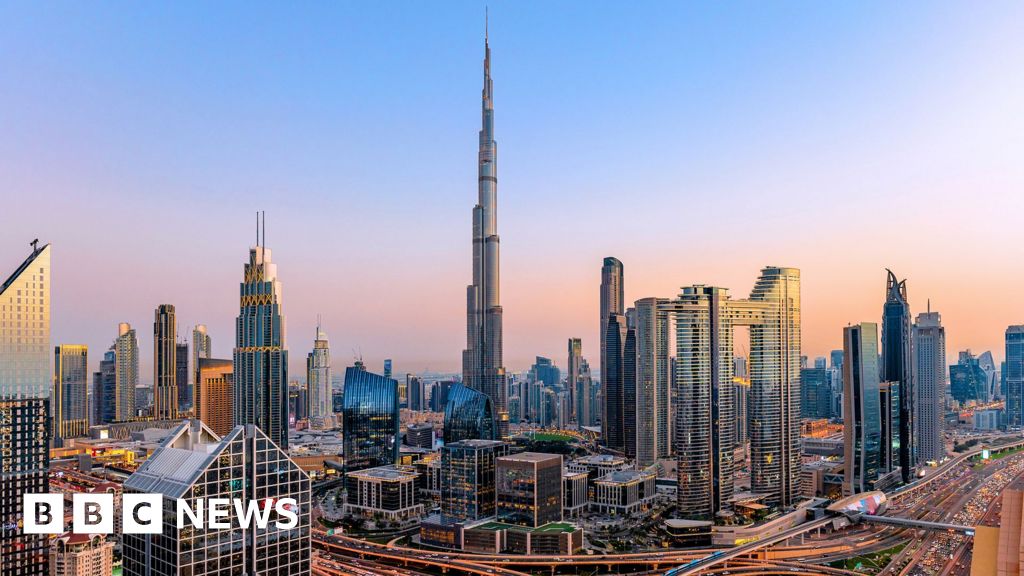

The Shifting Sands of Urban Safety: A Global City Under Threat
In the heart of one of the world’s most vibrant hubs, a city long celebrated as a sanctuary for expats, tourists, and digital nomads is now grappling with rising insecurity. Once known for its bustling streets, cosmopolitan charm, and reputation as a safe haven, this urban center has become a microcosm of the global challenges cities face in an era of escalating instability. The erosion of its security is not just a local issue but a stark reminder of how interconnected global threats—from economic strain to geopolitical tensions—can unravel the fabric of even the most resilient communities.
The City as a Global Safe Haven
For decades, this city has been a magnet for international talent, travelers, and influencers. Its strategic location, thriving economy, and welcoming culture made it a top destination for those seeking opportunity, adventure, or simply a place to call home away from home. Expats flocked to its neighborhoods, lured by the promise of safety and stability. Tourists wandered its streets, cameras in hand, capturing its iconic landmarks and vibrant nightlife. Influencers showcased its charm to millions online, cementing its image as a global hotspot.
This reputation was not just a matter of convenience but a critical economic driver. The city’s tourism sector thrived, generating billions in revenue and supporting countless jobs. Its expat community contributed to its diversity and innovation, attracting investment and fostering international ties. The perception of safety was a cornerstone of its identity—until now.
Signs of Strain: Rising Insecurity
Recent developments, however, have cast a shadow over this once-unshakable reputation. Reports of increased crime, civil unrest, and a growing sense of unease among residents and visitors alike have begun to dominate headlines. While specific incidents vary—from petty theft to more organized criminal activity—the cumulative effect is undeniable: the city is no longer the impenetrable fortress of safety it once seemed.
Experts point to a confluence of factors driving this shift. The global economic downturn, exacerbated by inflation and supply chain disruptions, has left many struggling to make ends meet. Social inequality, long simmering beneath the surface, has boiled over in some areas, fueling discontent. Geopolitical instability has also played a role, with regional conflicts spilling over into urban centers and straining resources.
A Microcosm of Global Challenges
What’s happening in this city is far from an isolated phenomenon. Across the globe, urban areas are facing similar pressures. From Latin America to Europe, Asia to Africa, cities are grappling with the fallout of economic, social, and political upheaval. The rise of organized crime, the proliferation of fake news, and the erosion of trust in institutions are common themes in this new era of urban insecurity.
For this particular city, however, the stakes are especially high. Its reputation as a safe haven was a key asset, drawing people and investment from around the world. If that reputation is tarnished, the consequences could ripple far beyond its borders. Businesses may rethink their presence, tourists may choose alternative destinations, and expats may seek safer environs. The economic and cultural impact would be profound, not just for the city but for the global networks it supports.
Why It Matters Globally
The challenges facing this city are a harbinger of broader global trends. In an increasingly interconnected world, the stability of one place can have far-reaching implications. Urban centers are where people, ideas, and resources converge, making them both engines of progress and potential flashpoints of crisis.
Moreover, the erosion of safety in a city known for its security sends a troubling message: nowhere is immune to the pressures of our time. If this haven can falter, what does that say about the state of the world? It underscores the urgent need for coordinated, global efforts to address the root causes of insecurity—economic inequality, political instability, and social fragmentation—before they escalate further.
The Human Cost
Amid the statistics and analysis, it’s crucial not to lose sight of the human stories behind this unfolding crisis. For the expat who chose this city as a place to raise a family, the rising insecurity is a source of anxiety. For the tourist who once wandered its streets freely, it’s a reminder of how quickly things can change. For the local residents who have long called this place home, it’s a painful erosion of their sense of security and community.
These individual experiences are a poignant reminder of what’s at stake. Safety is not just an abstract concept but a fundamental human need. When it’s threatened, the consequences are deeply personal.
A Call to Action
As this city navigates this turbulent chapter, its struggles serve as a wake-up call for the world. The challenges it faces are not unique but emblematic of broader global issues that demand attention and action. Governments, businesses, and citizens alike must come together to address the root causes of insecurity and build more resilient communities.
The story of this city is not yet written. Whether it reclaims its status as a safe haven or succumbs to the pressures of our time will depend on the choices made in the coming months and years. For now, it stands as a stark reminder of the fragility of urban safety in an increasingly uncertain world—and of the urgent need to protect and preserve the places that bring us together.
In closing, the shifting sands of urban safety in this once-stable city are a microcosm of the challenges facing cities worldwide. As global networks of commerce, culture, and community depend on these urban hubs, their stability is not just a local concern but a global imperative. The world is watching—and the time to act is now.
