


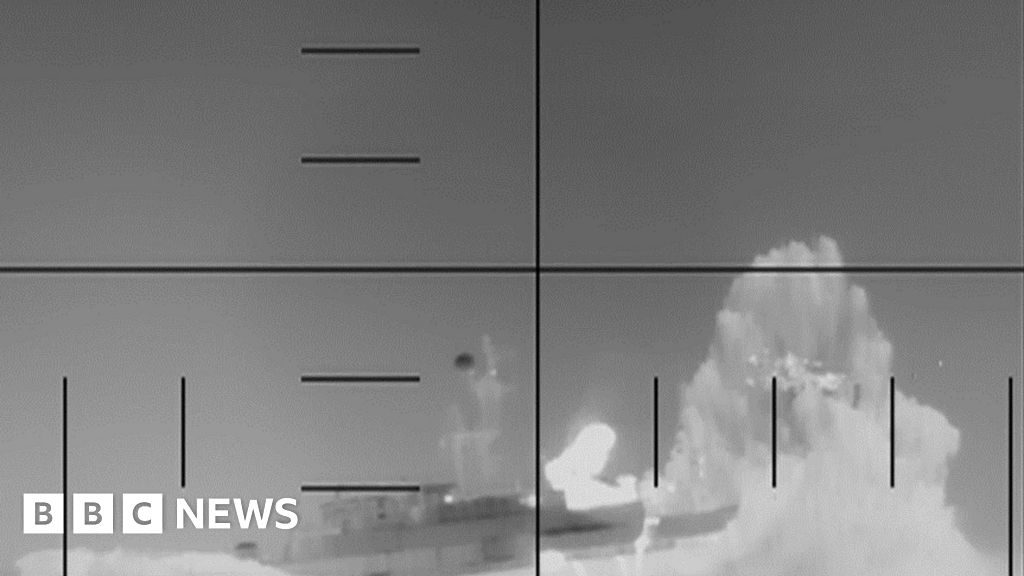

Iranian Warship Sinking Sparks Tensions in Strategic Waters
The Indian Ocean, long regarded as a critical crossroads of global trade and military strategy, witnessed a dramatic escalation on March 4 when the Iranian warship Iris Dena was sunk by a US submarine near Sri Lanka. The incident, which claimed the lives of several Iranian seamen, has sent shockwaves through the international community, raising fears of heightened tensions between Tehran and Washington at a time when regional stability hangs in the balance.
As maritime trade routes become increasingly contested and geopolitical rivalries intensify, the sinking of the Iris Dena underscores the fragility of peace in one of the world’s most vital waterways. This incident is not just a bilateral confrontation; it carries implications for global security, energy supplies, and the delicate balance of power in the Middle East and beyond.
The Incident: A Clash in Strategic Waters
The Iris Dena, a frigate-class vessel operated by the Iranian Navy, was reportedly on a routine mission in the Indian Ocean when it encountered a US submarine. Details remain sparse, but initial reports suggest the submarine fired torpedoes, leading to the rapid sinking of the Iranian ship. The US Navy has yet to issue an official statement explaining the circumstances, though sources indicate the submarine acted in self-defense.
Iranian authorities have condemned the attack, calling it an “unprovoked act of aggression” and vowing to hold the United States accountable. The sinking has reignited longstanding animosities between the two nations, which have been locked in a tense standoff since the collapse of the 2015 nuclear deal.
The location of the incident, near Sri Lanka, adds another layer of complexity. The Indian Ocean is a critical artery for global trade, with nearly 80% of the world’s maritime oil shipments passing through its waters. It is also a hotspot for naval activity, with major powers including the US, China, India, and Russia vying for influence.
Global Context: Escalating Naval Tensions
The sinking of the Iris Dena comes amid a broader pattern of escalating naval tensions worldwide. In recent years, the Indian Ocean has become a focal point for military buildups and shadowy confrontations. The US has bolstered its presence in the region as part of its Indo-Pacific strategy, while China has expanded its naval footprint through initiatives like its “String of Pearls” strategy, which includes ports and bases in Sri Lanka, Pakistan, and Djibouti.
For Iran, the Indian Ocean represents both a strategic lifeline and a vulnerability. As a major oil exporter, Iran relies heavily on maritime routes to transport its resources. At the same time, it faces constant pressure from US sanctions and naval patrols aimed at curtailing its oil exports. The sinking of the Iris Dena highlights Iran’s precarious position in this geopolitical chessboard.
The incident also underscores the risks of miscalculation in crowded maritime spaces. With navies from rival powers operating in close proximity, even minor encounters can spiral into full-blown crises. The sinking of the Iris Dena serves as a stark reminder of how quickly tensions can escalate in such environments.
Why This Matters: Ripples Across the Globe
The implications of this incident extend far beyond the Indian Ocean. For global trade, any disruption in this vital waterway could have cascading effects. The Indian Ocean handles more than $1 trillion worth of goods annually, including critical energy supplies from the Middle East to Asia and Europe. A prolonged conflict in the region could drive up shipping costs, disrupt supply chains, and exacerbate inflationary pressures worldwide.
From a security perspective, the sinking of the Iris Dena could further destabilize an already volatile region. Iran has long been a flashpoint in Middle Eastern politics, and any escalation with the US risks drawing in other actors, including Israel, Saudi Arabia, and Russia. The incident could also complicate ongoing efforts to revive the Iran nuclear deal, as both sides may harden their positions in the wake of the confrontation.
Moreover, the human cost of such incidents cannot be overlooked. The loss of lives aboard the Iris Dena is a tragic reminder of the human toll of geopolitical rivalries. Each sailor lost represents a family shattered, a community grieving, and a stark example of the consequences of military escalations.
Looking Ahead: A Fragile Calm
As international leaders scramble to assess the fallout from this incident, the path forward remains uncertain. Diplomatic channels are likely to be activated to prevent further escalation, but the deep mistrust between Iran and the US poses significant challenges. Both sides have vested interests in the Indian Ocean, and neither is likely to back down easily.
The sinking of the Iris Dena also highlights the urgent need for clearer rules of engagement in contested maritime spaces. Without robust mechanisms to prevent miscalculations, similar incidents could recur, with potentially catastrophic consequences.
Conclusion: A Wake-Up Call for Global Security
The sinking of the Iranian warship Iris Dena is more than a bilateral crisis; it is a wake-up call for the international community. In an era of intensifying global competition, the risks of conflict in strategic waters have never been higher. This incident underscores the urgent need for diplomacy, dialogue, and cooperation to safeguard the world’s most critical trade routes and prevent future tragedies.
As the Indian Ocean continues to serve as both a lifeline and a battleground, the stakes for global peace and stability could not be clearer. The time to act is now, before another sinking, another loss of life, and another step toward chaos.
