



The Tragedy in the West Bank: A Stark Reminder of Escalating Violence
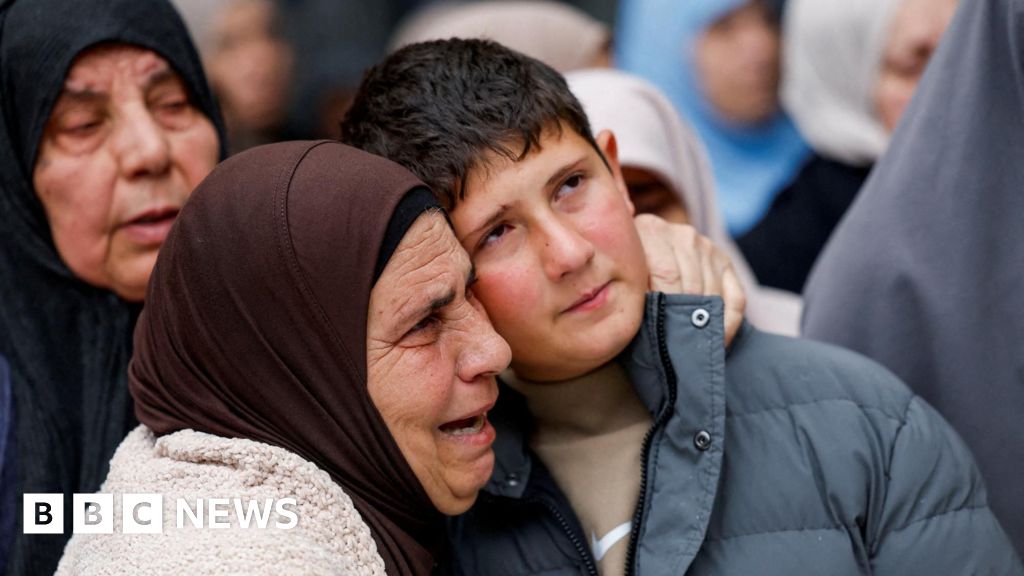
In the fading light of a late afternoon, Khaled Bani Odeh’s family embarked on what should have been a routine journey—a shopping trip in the occupied West Bank. Yet, as their car wound its way home, it became the site of an unthinkable tragedy. Khaled’s parents and two brothers were fatally shot in an attack that has sent shockwaves through the region and reignited debates over the escalating violence plaguing the West Bank. This incident is not just a personal heartbreak for Khaled; it is a microcosm of a broader crisis with far-reaching implications for global security and stability.
A Rising Tide of Violence in the West Bank
The West Bank has long been a flashpoint in the Israeli-Palestinian conflict, simmering with tension due to occupation, settlement expansions, and intermittent flare-ups of violence. However, recent months have seen a marked increase in hostilities, with both Palestinian militant groups and Israeli forces engaging in deadly skirmishes. Civilian casualties, like those suffered by Khaled’s family, underscore the human cost of this protracted conflict.
According to local reports and international observers, the attack took place near the town of Hebron, an area frequently marred by clashes. While the exact circumstances remain under investigation, initial accounts suggest the family’s vehicle was targeted by unknown assailants. This incident is part of a broader pattern of violence that has claimed dozens of lives in recent weeks, leaving families shattered and communities on edge.
The Global Context: A Conflict with Wider Implications
The Israeli-Palestinian conflict is often viewed as a regional issue, but its ramifications extend far beyond the Middle East. As a geopolitical hotspot, the West Bank is a symbol of unresolved tensions that have the potential to destabilize global security. The United Nations and numerous international bodies have repeatedly warned that unchecked violence in this region could spark wider conflicts, drawing in neighboring states and global powers.
Moreover, the international community remains deeply divided over the issue. While some nations advocate for Palestinian statehood and condemn Israeli settlement policies, others firmly support Israel’s security measures. This polarization complicates diplomatic efforts and hampers the search for a lasting solution. The tragedy of Khaled’s family highlights the urgent need for renewed dialogue and international intervention to prevent further bloodshed.
Why This Matters: A Global Call for Action
The shooting of Khaled’s family is more than a local tragedy; it is a global concern. Conflicts like the one in the West Bank often serve as catalysts for broader instability, fueling extremism, displacing populations, and straining international relations. The escalation of violence in this region threatens to undermine decades of diplomatic efforts and could jeopardize peace initiatives in other parts of the world.
Furthermore, the humanitarian impact of such violence cannot be overstated. Families like Khaled’s are caught in the crossfire of a conflict they did not choose, paying the ultimate price for political and territorial disputes. This underscores the moral imperative for the international community to act decisively, ensuring that innocent lives are protected and that justice is served.
The Path Forward: Challenges and Opportunities
Addressing the crisis in the West Bank requires a multifaceted approach. Immediate steps must focus on de-escalation, with all parties committing to cease hostilities and protect civilian lives. Long-term solutions, however, demand a more profound reckoning with the root causes of the conflict, including issues of land ownership, sovereignty, and mutual recognition.
International actors have a critical role to play in facilitating dialogue and holding all sides accountable. While the road to peace is fraught with challenges, history has shown that even the most entrenched conflicts can be resolved through sustained diplomacy and collective action. The tragedy of Khaled’s family serves as a poignant reminder of what is at stake and why the world cannot afford to turn away.
A Call to Remember: The Human Cost of Conflict
As the dust settles on yet another act of violence in the West Bank, the story of Khaled Bani Odeh and his family stands as a testament to the human cost of protracted conflict. Their lives, abruptly cut short, are a stark reminder that behind every statistic lies a story of loss, grief, and shattered dreams.
In an increasingly interconnected world, the tragedy in the West Bank is not an isolated event but a global concern that demands attention, empathy, and action. As policymakers and leaders grapple with the complexities of this conflict, the memory of Khaled’s family must serve as a catalyst for change—a call to prioritize peace over politics and humanity over hatred.
The world watches, and the world waits. The question remains: will this tragedy be another footnote in a long history of violence, or will it mark the beginning of a new chapter in the pursuit of peace?
