



Iran’s Police Chief Issues Stark Warning as Global Tensions Simmer
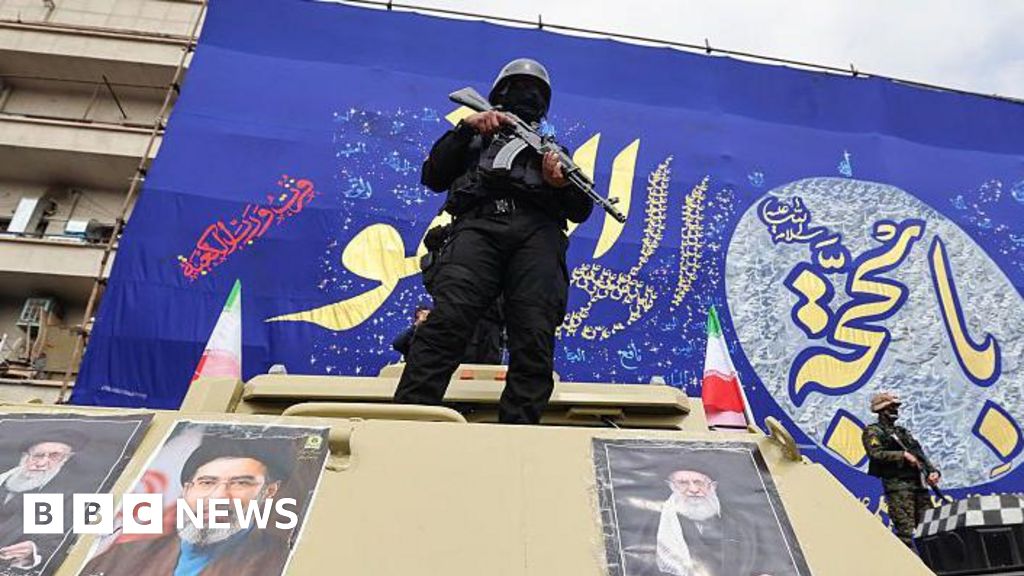
Tehran, Iran – In a chilling declaration that underscores the Iranian government’s hardening stance against dissent, the nation’s police chief has vowed to treat protesters as “enemies” if demonstrations are deemed to be instigated by foreign adversaries. The warning, delivered with unflinching severity, comes amid rising geopolitical tensions and a global climate of crackdowns on civil unrest. As Iran grapples with internal discontent and external pressures, the threat raises urgent questions about human rights, regional stability, and the broader implications for global security.
A Warning Against Dissent
Iranian Police Chief Ahmad-Reza Radan issued the stark ultimatum in a televised statement, declaring that any individual participating in protests “at the enemy’s request” would be considered an adversary of the state. While Radan did not explicitly name foreign actors, his rhetoric aligns with long-standing accusations by Tehran that Western nations—particularly the U.S., Israel, and European powers—fuel unrest to destabilize the Islamic Republic.
The statement follows months of sporadic protests across Iran, driven by economic hardship, political repression, and widespread dissatisfaction with the ruling establishment. Authorities have repeatedly blamed foreign interference for stoking dissent, a narrative that has intensified since the 2022 nationwide uprising sparked by the death of Mahsa Amini in police custody.
Global Context: A Broader Crackdown on Protest
Iran’s latest warning mirrors a growing trend among authoritarian regimes worldwide to frame domestic opposition as foreign-backed subversion. From Russia’s suppression of anti-war demonstrators to China’s harsh response to pro-democracy movements, governments are increasingly justifying repression under the guise of national security.
The tactic is not new—Iran has a decades-long history of accusing protesters of being foreign agents—but the escalation in rhetoric suggests a deepening siege mentality. With the Middle East already a tinderbox due to the Israel-Hamas war, Yemeni Houthi attacks on Red Sea shipping, and U.S.-Iran proxy conflicts, any further unrest in Iran could have destabilizing ripple effects.
Why This Matters Globally
-
Human Rights at Risk – The threat signals a likely intensification of Iran’s brutal suppression of dissent. Security forces have previously used live ammunition, mass arrests, and torture to quell protests, drawing condemnation from human rights groups. A renewed crackdown could trigger further international sanctions and isolate Tehran further.
-
Regional Instability – Iran’s internal stability is deeply intertwined with Middle Eastern geopolitics. Should protests escalate, hardliners may divert attention by escalating external conflicts—such as backing militant groups in Iraq, Syria, or Lebanon—raising the risk of broader regional confrontation.
-
Global Power Struggles – The U.S. and its allies view Iran as a pivotal challenger in the Middle East. Any sign of weakening control in Tehran could prompt external actors to exploit divisions, while Iran’s allies, like Russia and China, may bolster support to counter Western influence.
The Domestic Backdrop: Economic Despair and Repression
Iran’s economy is in freefall, with inflation exceeding 40%, currency collapse, and international sanctions biting deep. Public frustration has simmered for years, erupting in waves of protests over corruption, mismanagement, and theocratic rule. Yet each uprising has been met with overwhelming force.
The 2022-2023 protests, led largely by women and youth, marked a rare moment of sustained defiance. Though crushed, they exposed the regime’s vulnerability to grassroots anger. Radan’s latest warning suggests authorities fear a resurgence—and are preparing to act preemptively.
International Reactions and Implications
Western governments and human rights organizations have repeatedly condemned Iran’s treatment of protesters. The U.N. has documented widespread abuses, including extrajudicial killings and forced confessions. However, Tehran dismisses such criticism as hypocritical interference.
Meanwhile, Iran’s allies—including Russia, which faces its own protest crackdowns—have remained silent or supportive. The alignment underscores a growing divide between democracies and authoritarian states in how dissent is framed and suppressed.
A Dangerous Precedent
The Iranian police chief’s rhetoric sets a dangerous precedent: by branding protesters as enemies, the state justifies extreme measures against its own citizens. This tactic, if unchecked, could embolden other regimes to escalate repression under similar pretexts.
For global security, the implications are profound. As autocracies tighten their grip, the space for peaceful dissent shrinks—raising the likelihood of more violent confrontations, refugee crises, and geopolitical flashpoints.
Conclusion: A Gathering Storm
Iran’s latest warning is more than a domestic threat—it is a microcosm of a world where governments increasingly conflate dissent with treason. In an era of rising authoritarianism, economic strife, and great-power competition, the stakes could not be higher.
As Tehran prepares to confront any new wave of unrest with brute force, the international community faces a critical choice: Will it turn a blind eye, or will it hold Iran accountable while defending universal rights to protest and free expression? The answer may shape not just Iran’s future, but the stability of an increasingly fractured world.
— Reported with contributions from regional analysts and security experts.
