



Escalation in Lebanon: Israeli Strikes Target Hezbollah Strongholds, Raising Fears of Wider Conflict
Dramatic Opening: A Region on the Brink
The skies over southern Lebanon lit up with explosions Monday as Israeli airstrikes pounded what it called “Hezbollah strongholds,” killing at least nine people and igniting fears of a spiraling regional war. The strikes mark one of the deadliest exchanges since cross-border clashes began in the wake of the Gaza conflict, threatening to pull Lebanon—already crippled by economic collapse—into a devastating confrontation. With global powers scrambling to contain the fallout, the world watches nervously as tensions between Israel and Iran-backed Hezbollah reach a dangerous tipping point.
The Latest Escalation: What Happened?
According to Lebanese security sources, Israeli forces launched precision strikes on multiple villages near the border, including areas long considered Hezbollah strongholds. Among the dead were both militants and civilians, heightening concerns over collateral damage in a region still scarred by past wars.
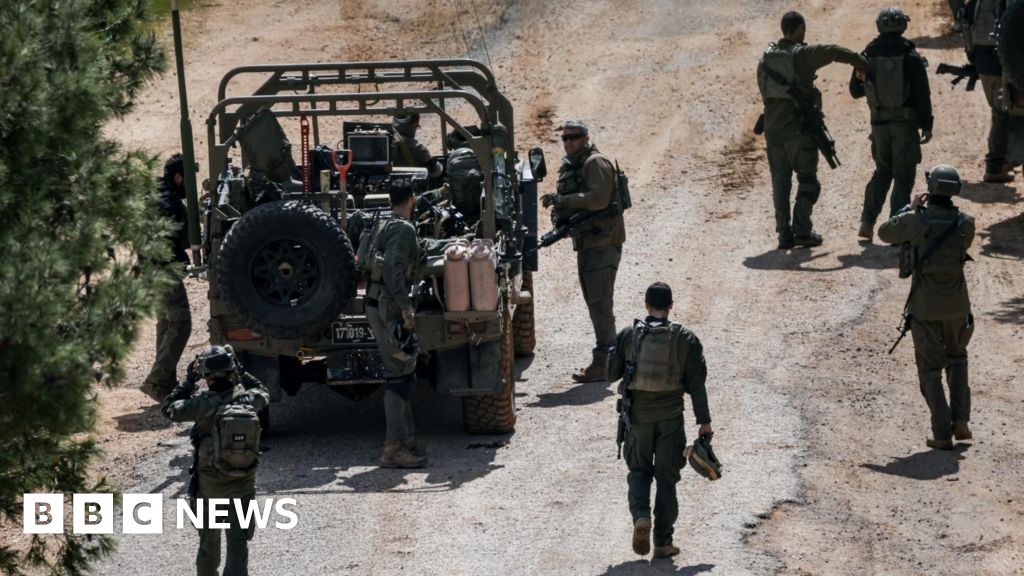
Israel’s military confirmed the operation, stating it was a response to Hezbollah rocket attacks earlier in the day that wounded several Israeli civilians. “We will not tolerate threats to our northern communities,” an IDF spokesperson said, vowing further action if provocations continue.
Meanwhile, Hezbollah has pledged retaliation, raising the specter of a cycle of violence that could quickly spiral beyond Lebanon’s borders.
Global Context: Why This Matters
The strikes come amid heightened tensions across the Middle East, where the shadow war between Israel and Iran-backed factions has increasingly erupted into open conflict. Since Hamas’s October 7 attack on Israel and the subsequent war in Gaza, Hezbollah—a key Iranian proxy—has engaged in near-daily skirmishes with Israeli forces along the Lebanon-Israel border.
But Monday’s escalation signals a dangerous shift. Unlike previous exchanges, which were largely contained to military targets, the latest strikes hit deeper into Lebanese territory, suggesting Israel is adopting a more aggressive posture. Analysts warn that if Hezbollah responds with a major attack—such as missile barrages on Israeli cities—Tel Aviv could launch a full-scale offensive, dragging Lebanon into a war it can ill afford.
The conflict also risks drawing in Iran, which supplies Hezbollah with weapons and funding. Any direct Iranian involvement could trigger a broader regional war, with implications for global oil markets, U.S. military deployments, and already-fragile diplomatic efforts.
Human Cost: Civilians Caught in the Crossfire
Beyond geopolitical calculations, the violence is exacting a grim human toll. Southern Lebanon, already struggling with economic ruin and political instability, now faces the prospect of another devastating conflict. Displacement is rising, with thousands fleeing border villages amid fears of further strikes.
In Israel, meanwhile, residents near the northern frontier live under constant threat of rocket fire, with many evacuated to safer areas. The psychological strain on both populations is immense, fueling anger and hardening resolve on all sides.
International Response: Calls for Restraint
The U.S., EU, and UN have issued urgent appeals for de-escalation, but diplomatic efforts remain fragile. Washington, Israel’s closest ally, has reportedly pressed Tel Aviv to avoid actions that could trigger a full-scale war with Hezbollah—a scenario that would stretch U.S. resources amid ongoing tensions in Ukraine and the Indo-Pacific.
Yet with neither side showing willingness to back down, the risk of miscalculation looms large. The UN peacekeeping force in Lebanon (UNIFIL) warned that the situation is “precarious” and called for an immediate ceasefire.
What Comes Next?
The coming days will be critical. If Hezbollah retaliates with a major attack, Israel has signaled it will respond with overwhelming force—potentially triggering a conflict that could eclipse the 2006 Lebanon War in scale. Alternatively, behind-the-scenes mediation by Qatar, Egypt, or the U.S. could yet avert disaster, though prospects remain uncertain.
For now, the world holds its breath, acutely aware that the next strike—or the next diplomatic breakthrough—could determine whether the region plunges into all-out war.
Final Thought: A Fragile Line in the Sand
As smoke rises over southern Lebanon, the stakes could not be higher. What began as a localized exchange of fire now threatens to unravel years of uneasy deterrence, with consequences far beyond the Middle East. In an era of interconnected crises, the world cannot afford another war—yet the drums of conflict grow louder by the hour. Whether diplomacy or destruction prevails may hinge on the choices of a handful of leaders in the next 48 hours. One thing is certain: the path to peace is narrowing fast.
