


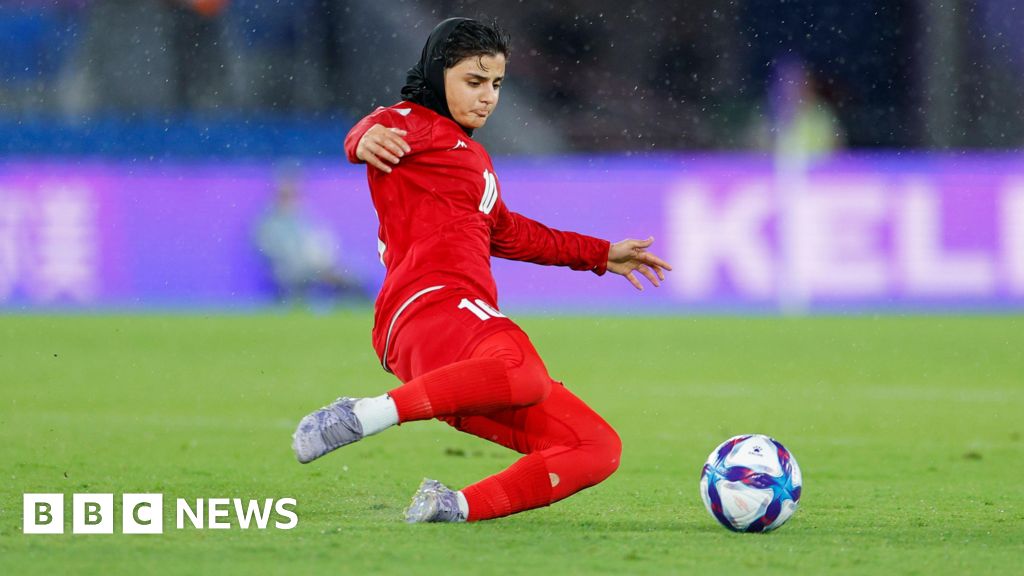

Australian Government Grants Visas to Foreign Players Amid Fears of Home Country Retaliation
Global Tensions Rise as Australia Steps In to Safeguard Foreign Nationals
As geopolitical tensions continue to escalate across the globe, Australia has found itself at the center of an international controversy. In a decision that underscores the growing complexities of global security and human rights, the Australian government has granted visas to several foreign players who reportedly faced potential retaliation in their home countries. These individuals, whose identities remain undisclosed due to security concerns, were allegedly at risk of persecution or worse if they returned home. This development has ignited discussions about the role of nations in protecting vulnerable individuals, the interplay between politics and sports, and the broader implications for international diplomacy.
Background: A Growing Crisis of Governance and Human Rights
The decision by Australian officials comes against a backdrop of increasing authoritarianism and political repression in several regions. Governments worldwide have been accused of silencing dissent, targeting opposition figures, and leveraging state power to suppress freedom of expression. In such an environment, individuals who challenge the status quo—whether through their professional work, activism, or public statements—often find themselves in grave danger. Reports of arbitrary arrests, disappearances, and even extrajudicial killings have become alarmingly common.
For the individuals granted visas, the stakes were particularly high. Sources suggest that their involvement in international events or their public profiles had drawn the ire of their home governments. Australia’s intervention highlights the growing need for nations to address the humanitarian fallout of political conflicts, even as they navigate the delicate balance of international relations.
Why It Matters: A Global Perspective
This decision is more than just a domestic policy move; it carries significant implications for global security and human rights. By offering refuge to these individuals, Australia has sent a clear message about its commitment to protecting those at risk. However, the move is also likely to strain diplomatic ties with the players’ home countries, raising questions about the potential fallout.
In recent years, the intersection of sports, politics, and human rights has become increasingly prominent. Athletes and other public figures often use their platforms to advocate for social justice or criticize oppressive regimes. In response, governments have not hesitated to retaliate, using legal, economic, or even physical means to silence opposition. Australia’s decision to protect these individuals underscores the challenges faced by nations in navigating these complex dynamics.
Moreover, this development highlights the broader issue of global migration and asylum. As conflicts and political instability continue to displace millions, the international community faces mounting pressure to address the plight of those fleeing persecution. Australia’s action serves as a reminder of the moral and ethical responsibilities that come with global leadership.
The Implications for International Diplomacy
While the visa grants have been hailed by human rights advocates, they could have far-reaching consequences for Australia’s diplomatic relationships. The players’ home countries are likely to view this decision as a direct challenge to their authority, potentially leading to strained bilateral ties. In an era marked by geopolitical rivalry and shifting alliances, such moves carry significant risks.
Australia’s decision also raises questions about the role of international bodies in addressing human rights abuses. With the United Nations and other organizations often hamstrung by political divisions, individual nations are increasingly taking matters into their own hands. This trend underscores the need for a more coordinated global response to human rights crises.
Engaging the Public: Why This Story Resonates
At its core, this story is about the power of individual voices and the lengths to which nations must go to protect them. It serves as a reminder that behind the headlines of geopolitical maneuvering are real people whose lives hang in the balance. For the public, the issue resonates on a deeply human level, sparking debates about morality, justice, and the responsibilities of global citizenship.
The story also sheds light on the often-overlooked role of sports in international affairs. Athletes, particularly those on the global stage, wield significant influence. Their ability to draw attention to critical issues makes them both powerful advocates and prime targets for authoritarian regimes. Australia’s decision to protect these individuals underscores the importance of safeguarding those who use their platforms for positive change.
Conclusion: A Call to Action in a Fractured World
As the world grapples with rising authoritarianism and human rights abuses, Australia’s decision to grant visas to these players serves as both a beacon of hope and a call to action. It highlights the urgent need for nations to prioritize humanity over politics, even in the face of significant diplomatic risks. For the individuals involved, this decision may be a lifeline; for the global community, it is a reminder of the ongoing struggle for justice and freedom.
In a world increasingly defined by division, stories like this remind us of the power of compassion and solidarity. As nations navigate the complexities of global security and human rights, the choices they make will shape the future of international relations—and the lives of countless individuals who depend on their protection. Australia’s bold stance is a testament to the enduring importance of standing up for what is right, even when the stakes are high.
