



Moldova’s Fragile Sovereignty: Russian Military Presence in Transnistria Stirs Tensions Amid Regional Instability
A Frozen Conflict Simmers as Global Powers Watch
Nestled between Ukraine and Romania, Moldova—a small Eastern European nation of 2.4 million—finds itself caught in the crosshairs of geopolitical tensions. The breakaway region of Transnistria, a Russian-backed separatist enclave along Moldova’s eastern border, remains a lingering flashpoint. Despite Moldova’s push for European integration, Russia maintains a military foothold in the region, raising concerns over sovereignty, regional security, and the broader implications for Europe’s fragile post-war order.
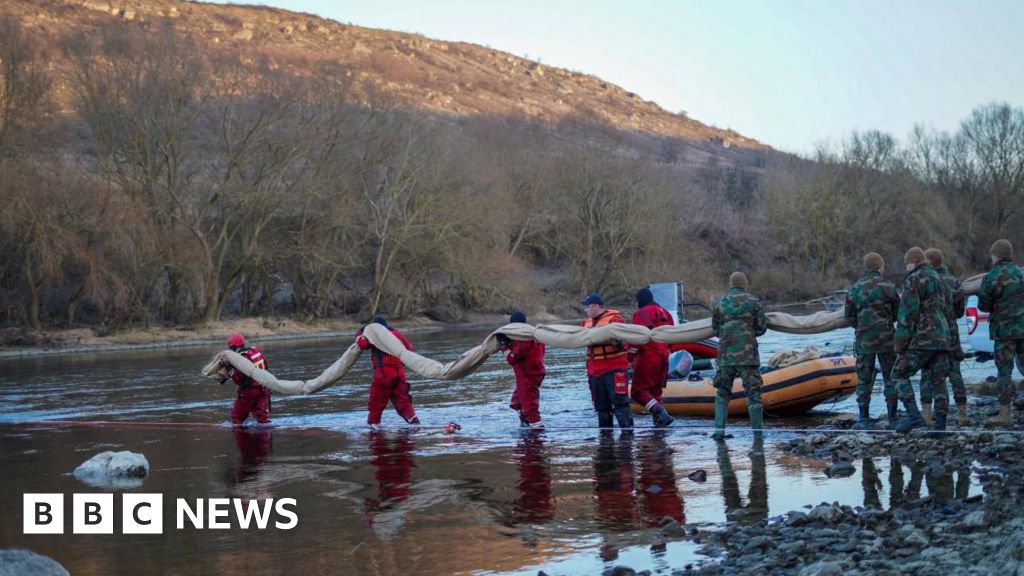
Recent reports of oil spills in Transnistria have added another layer of complexity, though local officials downplay immediate risks to drinking water. Yet, the presence of Russian troops—stationed there since the 1992 conflict—continues to cast a long shadow over Moldova’s future.
Transnistria: A Relic of Soviet-Era Divisions
Transnistria, a narrow strip of land bordering Ukraine, declared independence from Moldova in 1990, sparking a brief but bloody war in 1992. Russian forces intervened, cementing their presence as “peacekeepers.” Today, the region operates as a de facto Russian proxy, complete with its own government, currency, and military—though no UN member state recognizes its sovereignty.
Moldova, meanwhile, has sought closer ties with the EU, gaining candidate status in 2022. But the unresolved status of Transnistria remains a major obstacle. With roughly 1,500 Russian troops still stationed there, the region serves as both a strategic outpost and a potential pressure point should Moscow choose to escalate tensions.
Why This Matters Beyond Moldova’s Borders
The standoff over Transnistria is not just a local dispute—it has far-reaching consequences:
- European Security: A flare-up in Transnistria could destabilize neighboring Ukraine, already embroiled in war, and strain NATO’s eastern flank.
- Russian Influence: The Kremlin has repeatedly used frozen conflicts to exert control over former Soviet states (see Georgia, Ukraine). Moldova could be next.
- Energy & Trade Risks: Transnistria houses key infrastructure, including a Soviet-era power plant. Disruptions could ripple through Eastern Europe.
The recent reports of oil contamination—though not yet deemed a crisis—highlight the risks of neglected Soviet-era industrial sites in breakaway regions.
Global Reactions and Moldova’s Precarious Balancing Act
Moldovan President Maia Sandu has cautiously navigated relations with both the West and Moscow, condemning Russia’s invasion of Ukraine while avoiding direct confrontation over Transnistria. However, fears persist that Russia could exploit the region to open a second front against Ukraine or pressure Moldova into abandoning EU ambitions.
Western leaders have repeatedly called for the withdrawal of Russian forces, but Moscow insists its troops are vital for “stability.” Meanwhile, Transnistria’s economy remains tethered to Russian subsidies, deepening its dependence.
What Comes Next?
With Ukraine’s war ongoing, Moldova remains vulnerable. Any sudden moves—whether a Russian troop surge, a Transnistrian independence referendum, or an environmental disaster—could trigger a crisis. Analysts warn that the Kremlin may use the region as leverage if Western support for Ukraine wavers.
For now, Moldova walks a tightrope: pursuing European integration while avoiding provocation. But as global powers jostle for influence in Eastern Europe, the world cannot afford to overlook this simmering conflict.
A Test of Europe’s Resolve
Moldova’s struggle over Transnistria is more than a regional dispute—it is a litmus test for Europe’s ability to counter Russian expansionism without direct confrontation. As diplomatic tensions mount and old conflicts remain unresolved, the international community must decide: Will Moldova become another casualty of geopolitical brinkmanship, or can a fragile peace hold?
For now, all eyes remain on this small nation, where the ghosts of the past still shape the battles of the future.
