



Tragedy Amid Escalating Tensions: Civilian Deaths Highlight Global Fragility in Middle East Conflict
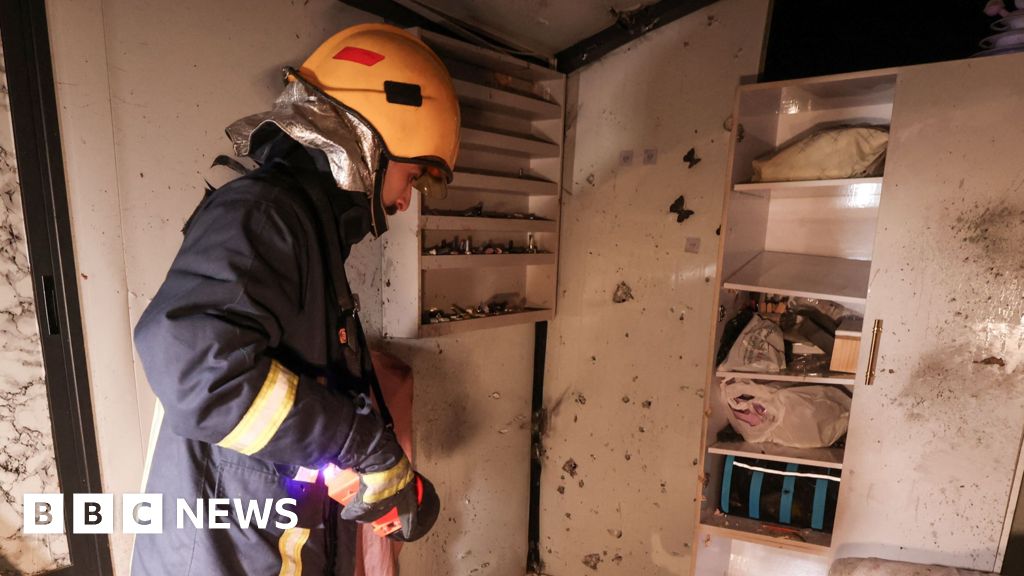
In a harrowing reminder of the human cost of war, two civilians were killed in separate incidents as shrapnel rained down on civilian areas amid escalating hostilities in the Middle East. In Beit Awwa, a small town near the Israeli border, a local resident was fatally struck by debris from an explosive device. Simultaneously, in southern Israel, a Thai migrant worker met a similar fate, underscoring the indiscriminate nature of modern warfare. These deaths come amid a surge in violence that threatens to destabilize not only the region but also global security, as tensions between state and non-state actors reach a boiling point.
The Incident: A Grim Show of Force
The dual fatalities occurred within hours of each other, highlighting the volatile nature of the ongoing conflict. In Beit Awwa, located in the West Bank, shrapnel from an unidentified explosive struck a civilian, leading to immediate death. The incident has sparked outrage among local residents, who accuse both Israeli forces and Palestinian armed groups of failing to protect non-combatants. Meanwhile, in southern Israel, a Thai national working in the agriculture sector was killed by falling shrapnel, likely remnants of a rocket or missile interception.
These deaths are not isolated tragedies but part of a broader pattern of civilian casualties that have marked this latest phase of violence. The incidents serve as a grim reminder of the collateral damage inflicted by military exchanges, irrespective of borders or nationalities.
Global Context: A Region in Turmoil
The Middle East has long been a flashpoint for geopolitical tensions, with the Israeli-Palestinian conflict at its core. Recent weeks have seen an alarming escalation in violence, with rocket attacks from Gaza and retaliatory airstrikes by Israel claiming dozens of lives. The international community has expressed growing concern, with calls for de-escalation from the United Nations, the European Union, and major powers like the United States and Russia.
However, efforts to broker peace have been hampered by deep-seated mistrust between the parties involved. Israel accuses Hamas and other Palestinian groups of using civilian populations as shields, while Palestinian leaders denounce what they describe as disproportionate use of force by Israeli military forces. This cycle of violence has far-reaching implications, not only for the region but also for global security, as it fuels extremism, disrupts energy supplies, and draws in external actors.
Why It Matters: A Global Security Concern
The deaths in Beit Awwa and southern Israel are not just a regional tragedy but a stark warning of the broader dangers posed by unresolved conflicts. The Middle East remains a critical hub for global trade, energy, and diplomacy, and any escalation threatens to reverberate far beyond its borders.
First, the conflict has the potential to exacerbate existing global tensions. Iran, a key player in the region, has been accused of supporting militant groups, while Israel enjoys strong backing from the United States. Any further escalation could draw these powers into direct confrontation, with catastrophic consequences.
Second, the humanitarian toll of the conflict has global implications. The displacement of civilians, loss of life, and destruction of infrastructure strain international aid resources and fuel migration crises, affecting neighboring countries and beyond.
Finally, the conflict undermines efforts to promote stability and cooperation in an increasingly polarized world. As nations grapple with pressing global challenges such as climate change, pandemics, and economic inequality, unresolved regional conflicts divert attention and resources, hindering progress on these critical issues.
The Human Cost: Stories Behind the Statistics
Behind the headlines are stories of individuals whose lives have been irrevocably altered by the conflict. The Thai worker killed in Israel was part of a broader community of migrant laborers who play a vital role in the country’s economy. Their deaths highlight the vulnerability of marginalized groups in times of war. Similarly, the civilian killed in Beit Awwa leaves behind a family grieving an unimaginable loss, underscoring the personal toll of political violence.
These stories remind us that conflicts are not abstract geopolitical struggles but deeply personal tragedies. They call for urgent action to protect civilians and find lasting solutions to the root causes of violence.
Conclusion: A Call for Global Responsibility
As the world watches with growing concern, the deaths in Beit Awwa and southern Israel serve as a sobering reminder of the fragility of peace and the devastating consequences of war. The international community must move beyond rhetoric and take concrete steps to de-escalate tensions, protect civilians, and address the underlying grievances that fuel conflict.
The stakes could not be higher. In a world already grappling with unprecedented challenges, the cost of inaction in the Middle East is one the global community cannot afford. The time to act is now—not just for the sake of those directly affected but for the stability and security of the entire planet.
