



Iranian Wrestler Found Guilty in High-Profile Police Murder Case, Sparks Global Debate on Justice and Geopolitics
Tehran, Iran – In a case that has gripped the nation and drawn international attention, Saleh Mohammadi, a prominent member of Iran’s national wrestling team, has been found guilty of killing police officers alongside two other men, according to state media reports. The trial, marked by its intensity and geopolitical implications, unfolded against a backdrop of escalating tensions within Iran and mounting scrutiny from the global community. The verdict has ignited debates about judicial fairness, the politicization of justice, and the broader struggle for human rights in a country long at odds with Western powers.
The Incident and the Trial
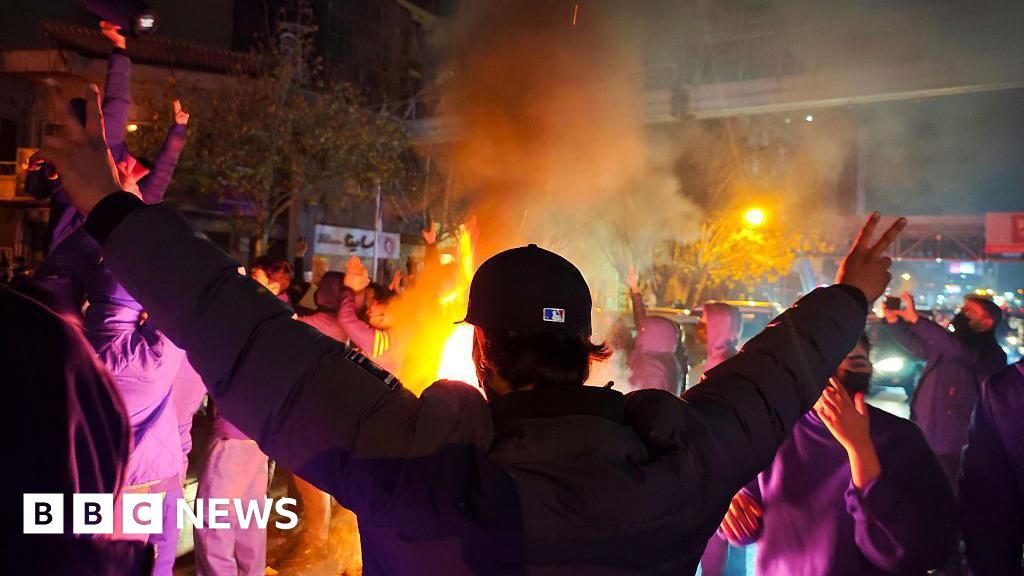
The charges against Mohammadi stem from a violent confrontation in which police officers were allegedly killed during a protest rally. State media reported that Mohammadi and two accomplices were involved in the fatal attack, though details surrounding the incident remain contested. The trial, conducted in a Tehran court, concluded swiftly, with the wrestler and his co-defendants receiving severe sentences, though specific penalties have yet to be disclosed publicly.
Mohammadi, a decorated athlete and a well-known figure in Iran’s sporting community, has garnered significant attention both domestically and internationally. His case has become a lightning rod for criticism, with human rights organizations questioning the transparency of the judicial process and alleging possible political motivations behind the prosecution. Critics argue that the government may be using the trial to send a warning to dissenters amid rising civil unrest in the country.
Global Context and Implications
The case unfolds against a volatile backdrop of Iran’s internal strife and its strained relations with the international community. Over the past year, the Islamic Republic has faced widespread protests fueled by economic hardship, political repression, and public dissatisfaction with the regime. The government’s response has been heavy-handed, with reports of mass arrests, torture, and executions of protesters. Against this tense domestic climate, Mohammadi’s trial has taken on broader significance, symbolizing the regime’s crackdown on perceived threats to its authority.
Globally, the case has reignited debates about Iran’s human rights record and its judicial system, which has long been criticized for its lack of due process and transparency. Western governments and international organizations have repeatedly condemned Iran’s treatment of political dissidents and its use of the death penalty, which remains one of the highest in the world. Mohammadi’s trial has drawn particular scrutiny because of his prominence as an athlete, raising concerns about the politicization of sports and the targeting of high-profile individuals as a means of deterring dissent.
Furthermore, the verdict comes at a time of heightened geopolitical tensions, with Iran’s nuclear program and its support for proxy groups in the Middle East continuing to strain relations with the United States and its allies. The case adds another layer of complexity to the already fraught dynamics between Iran and the international community, potentially influencing diplomatic negotiations and broader policy decisions.
Why It Matters
The case of Saleh Mohammadi is more than just a criminal trial; it is a microcosm of the larger struggles within Iran and its fraught relationship with the world. For Iranians, it highlights the precarious balance between justice and repression in a society grappling with profound challenges. For the international community, it underscores the urgent need for accountability and human rights protections in a country that remains a pivotal player in global geopolitics.
The trial also raises questions about the role of athletes in political movements and the risks they face when they become symbols of dissent. Mohammadi’s case echoes other high-profile incidents in which athletes have been targeted by authoritarian regimes for their perceived opposition, underscoring the intersection of sports and politics in today’s world.
The Human Cost
Behind the headlines and geopolitical implications lies the human story of Saleh Mohammadi and the families of the police officers killed in the incident. For the victims’ families, the trial offers a measure of justice, albeit one overshadowed by broader questions about the fairness of the process. For Mohammadi’s supporters, the verdict represents a tragic loss of a talented athlete and a potential miscarriage of justice.
Human rights advocates have called for an independent investigation into the case, urging the Iranian government to ensure transparency and accountability. The international community faces the challenge of balancing its condemnation of Iran’s human rights abuses with the need to engage diplomatically on critical issues such as nuclear proliferation and regional stability.
Conclusion
The verdict in the trial of Saleh Mohammadi marks a pivotal moment in Iran’s ongoing struggle for justice and human rights. It serves as a stark reminder of the challenges facing the country and the broader implications for global geopolitics. As the world watches, the case highlights the delicate balance between accountability and repression, the politicization of justice, and the enduring power of individuals to become symbols of larger struggles.
In a world increasingly defined by its complexities, Mohammadi’s story resonates far beyond Iran’s borders, reminding us of the human cost of political conflict and the urgent need for a just and equitable resolution. The international community must now grapple with how to respond to such cases while navigating the intricate web of diplomatic, political, and humanitarian considerations that define our global reality.
