



Norway’s Crown Princess Mette-Maritt Breaks Silence on Jeffrey Epstein Ties: A Royal Scandal with Global Repercussions
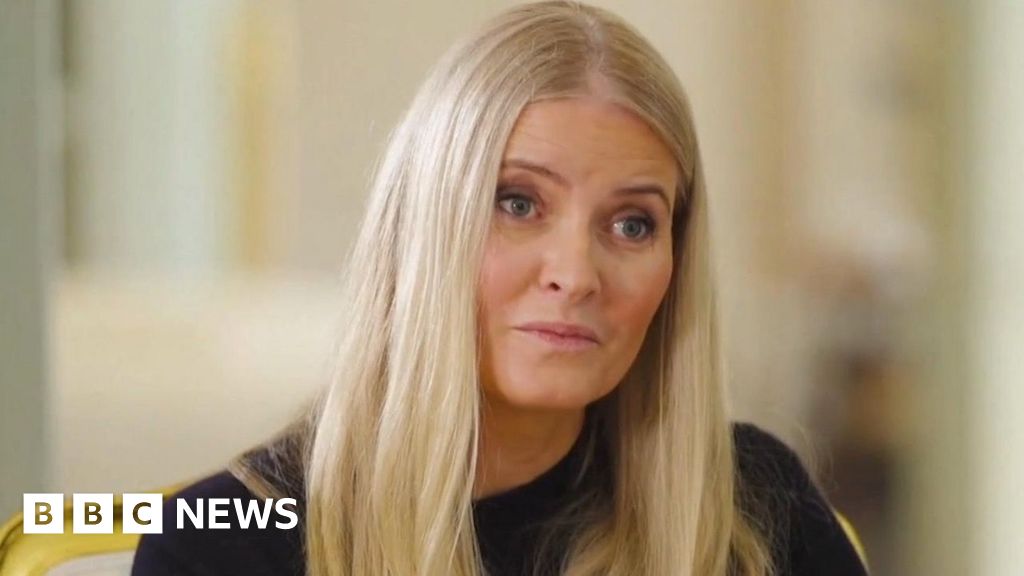
In a rare and emotional moment, Norway’s Crown Princess Mette-Maritt has publicly expressed deep regret over her association with the late convicted sex offender Jeffrey Epstein. During a candid 20-minute interview with Norway’s national broadcaster, the princess, often on the verge of tears, stated unequivocally that she wished she had never crossed paths with the disgraced financier. Her remarks come after seven weeks of silence following revelations of extensive email exchanges between her and Epstein between 2011 and 2014, as well as her stay at his Florida residence during that period.
This scandal, which has shaken Norway’s royal family, extends far beyond its borders, touching on issues of accountability, privilege, and the global reckoning with powerful figures linked to Epstein’s crimes.
The Backdrop: Epstein’s Shadow Looms Over Global Elites
Jeffrey Epstein’s name remains synonymous with one of the most sordid chapters in recent history. A financier with connections to the world’s most powerful figures, Epstein was convicted in 2008 for soliciting prostitution from a minor and faced further charges in 2019 for sexually exploiting dozens of underage girls. His death by apparent suicide in prison later that year left countless questions unanswered, even as investigations continued to uncover the breadth of his network.
Epstein’s associates included billionaires, politicians, academics, and celebrities, many of whom faced scrutiny for their ties to him. The revelations about Crown Princess Mette-Maritt’s connection to Epstein add another layer of complexity to this saga, raising questions about how deeply Epstein’s influence permeated global elites.
The Princess’s Ties: A Royal Misstep
The details of Mette-Maritt’s relationship with Epstein first emerged seven weeks ago, sending shockwaves through Norway. Reports revealed that the crown princess had exchanged hundreds of emails with Epstein over a three-year period, beginning in 2011. Additionally, she stayed at his Florida home, though she maintains she was not present when he was there.
In her interview, Mette-Maritt expressed profound remorse, describing her association with Epstein as a “mistake” and emphasizing that she had “no idea” about the extent of his criminal activities at the time. “If I had known then what I know now, I would never have had any contact with him,” she said.
Her decision to break her silence and address the controversy head-on underscores the gravity of the situation, particularly given her role as a prominent public figure in Norway.
Why This Matters: Trust, Accountability, and Global Implications
The crown princess’s admission is not just a personal reckoning but also a moment of broader significance. Royal families are often seen as symbols of national unity and moral integrity, making any association with a figure like Epstein particularly damaging. For Norway, a country known for its progressive values and transparency, this scandal strikes at the heart of public trust.
Globally, the episode serves as yet another reminder of Epstein’s far-reaching influence and the challenges of holding powerful individuals accountable. While Epstein’s crimes were primarily centered in the United States, his connections spanned continents, ensnaring figures from various spheres of influence. Each new revelation reignites debates about privilege, complicity, and the extent to which elites were aware of Epstein’s actions.
The Broader Context: Royals Under Scrutiny
Mette-Maritt’s case is not isolated. Royal families worldwide have faced increasing scrutiny in recent years, with scandals ranging from financial misconduct to allegations of racism. The British royal family, for instance, has grappled with fallout from Prince Andrew’s association with Epstein, a relationship that led to his withdrawal from public duties and a costly legal settlement.
These incidents highlight the delicate balance modern royals must strike between tradition and transparency. As public figures, they are expected to embody moral leadership, yet their lives are often shielded from the same level of accountability demanded of other leaders. Mette-Maritt’s willingness to address the controversy directly may signal a shift toward greater openness, but it also underscores the challenges of maintaining public trust in an era of heightened scrutiny.
A Global Reckoning: What Comes Next?
As the dust settles on this latest chapter in the Epstein saga, questions remain about who else might be implicated and how societies can prevent such abuses of power in the future. For Norway, the focus will likely shift to rebuilding confidence in its royal family and addressing any systemic issues that allowed such associations to go unchecked.
Globally, the enduring fallout from Epstein’s crimes serves as a stark reminder of the need for vigilance and accountability. It is a cautionary tale about the dangers of unchecked privilege and the moral responsibilities that come with influence.
Conclusion: A Royal Apology and a Global Reflection
Crown Princess Mette-Maritt’s heartfelt apology marks a pivotal moment for Norway’s royal family, but it also resonates far beyond its borders. Her acknowledgment of a “mistake” underscores the complexities of navigating a world where power and privilege can obscure moral clarity.
As the world continues to grapple with the legacy of Jeffrey Epstein, this episode serves as a reminder of the importance of transparency, accountability, and the enduring quest for justice. It is a story not just about one royal’s misstep, but about the broader challenges of confronting systemic failures and rebuilding trust in institutions—both royal and otherwise.
