



Escalating Tensions in the Middle East: Assessing the Damage to US Bases and Global Implications
The Middle East remains a powder keg of geopolitical tension, with the latest reports of extensive damage to US military bases in the region underscoring the fragility of the status quo. Experts warn that the true scale of the destruction has yet to be fully understood, but the emerging details paint a troubling picture. As the world watches, the repercussions of this escalation extend far beyond the immediate conflict zone, threatening to destabilize global security and renewing fears of a broader regional war.
A Growing Concern: Assessing the Damage
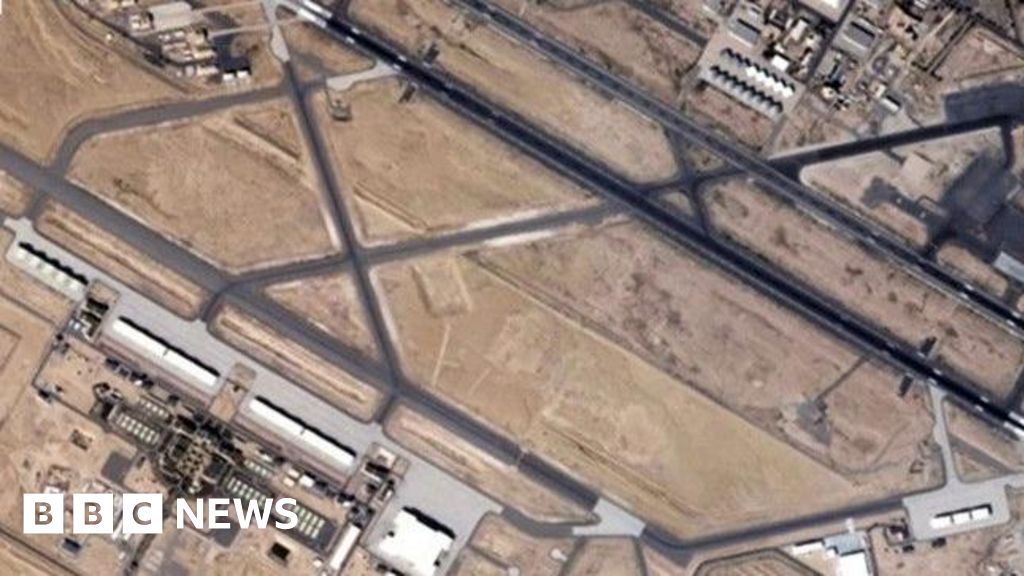
According to Mark Cancian, a senior adviser at the Center for Strategic and International Studies (CSIS) and co-author of a recent study, the extent of the damage to US bases has been significantly underreported. While initial reports suggest substantial destruction, Cancian emphasizes that a comprehensive assessment is still pending. “The full extent of the damage won’t be known until more information becomes available,” he said.
This uncertainty raises critical questions about the security of US military assets in the region and the potential vulnerabilities they face. The bases, which serve as strategic hubs for operations across the Middle East, are vital to maintaining US influence and ensuring regional stability. Any compromise of their operational capacity could have far-reaching consequences, not only for US forces but also for allied nations relying on their support.
Global Context: A Volatile Region on Edge
The Middle East has long been a hotspot for conflict, with competing interests, sectarian divides, and geopolitical rivalries fueling instability. The recent escalation involving US bases is part of a broader trend of rising tensions, particularly between the United States and Iran-backed militias. These groups have increasingly targeted US installations, leveraging sophisticated tactics to maximize impact.
For Iran, these attacks are a strategic tool to exert pressure on Washington and its allies while avoiding direct confrontation. For the US, the challenge lies in responding decisively without escalating the situation into a full-scale war. This delicate balancing act is further complicated by the involvement of regional actors, including Israel, Saudi Arabia, and Turkey, each with their own stakes in the outcome.
The damage to US bases also highlights the evolving nature of modern warfare. Asymmetric tactics, such as drone strikes and missile attacks, have become the weapon of choice for non-state actors, posing new challenges for conventional military forces. These methods are not only cost-effective but also difficult to defend against, raising concerns about the sustainability of US military presence in the region.
Why This Matters Globally
The implications of this escalation extend far beyond the Middle East. The region is a critical nexus of global energy supplies, with a significant portion of the world’s oil passing through its waterways. Any disruption to this flow could have devastating effects on the global economy, driving up energy prices and exacerbating inflation.
Moreover, the conflict has the potential to draw in major powers, including Russia and China, further complicating the geopolitical landscape. Both nations have vested interests in the region and could exploit the situation to advance their own agendas, whether through diplomatic maneuvering or military support for opposing factions.
For NATO allies and other US partners, the situation underscores the importance of collective defense and the need for a coordinated response. The damage to US bases serves as a stark reminder of the risks associated with military deployments in volatile regions and the importance of ensuring the safety of personnel and assets.
A Call for Transparency and Accountability
As the situation unfolds, transparency will be key to understanding the full scope of the damage and formulating an effective response. Accurate reporting, backed by verified data, is essential for policymakers and military leaders to make informed decisions.
At the same time, accountability must be upheld. Those responsible for the attacks must be held to account, not only to deter future aggression but also to uphold international norms and the rule of law. This requires a multilateral approach, with the international community working together to address the root causes of the conflict and promote lasting peace.
A Fragile Future
The damage to US bases in the Middle East is a sobering reminder of the fragility of global security in an increasingly interconnected world. As tensions continue to simmer, the risk of further escalation looms large, threatening to unravel decades of diplomatic efforts and plunge the region into chaos.
For now, the focus remains on assessing the damage and charting a path forward. But the stakes could not be higher. The decisions made in the coming days and weeks will shape the trajectory of the conflict and determine whether peace prevails or the region descends into further violence. In a world already grappling with multiple crises, the Middle East stands as a test of the international community’s resolve and its ability to navigate the complexities of modern warfare.
As the dust settles, one thing is clear: the world is watching, and the consequences of inaction could be catastrophic.
