



Russia’s Full-Scale Invasion: A Defensive War Narrative and the Call for Unquestionable Loyalty
As the world watches with bated breath, Russia’s ongoing conflict in Ukraine continues to redefine the boundaries of patriotism, sovereignty, and global security. Amid the chaos, Moscow’s messaging remains unequivocal: this is a defensive war, and loyalty to the state is non-negotiable. But as the rhetoric intensifies, so do the questions about its global implications and the future of international stability.
The Narrative of Defensive War
Since the Kremlin launched its full-scale invasion of Ukraine in February 2022, Russian state media and government officials have consistently framed the conflict as a defensive measure. According to this narrative, Russia is not an aggressor but a protector—a nation forced to act against perceived threats from NATO expansion and Ukrainian nationalism. This portrayal, echoed by President Vladimir Putin and his allies, seeks to rally domestic support and justify the immense human and economic cost of the war.
The defensive war narrative is not new in geopolitical discourse. Historically, nations have often justified military actions as preemptive or protective measures. However, Russia’s insistence on this framing has drawn sharp criticism from the international community. Western leaders, including U.S. President Joe Biden and NATO Secretary-General Jens Stoltenberg, have dismissed the claim as baseless, citing Russia’s unprovoked attack on Ukrainian sovereignty.
Patriotism and Unquestionable Loyalty
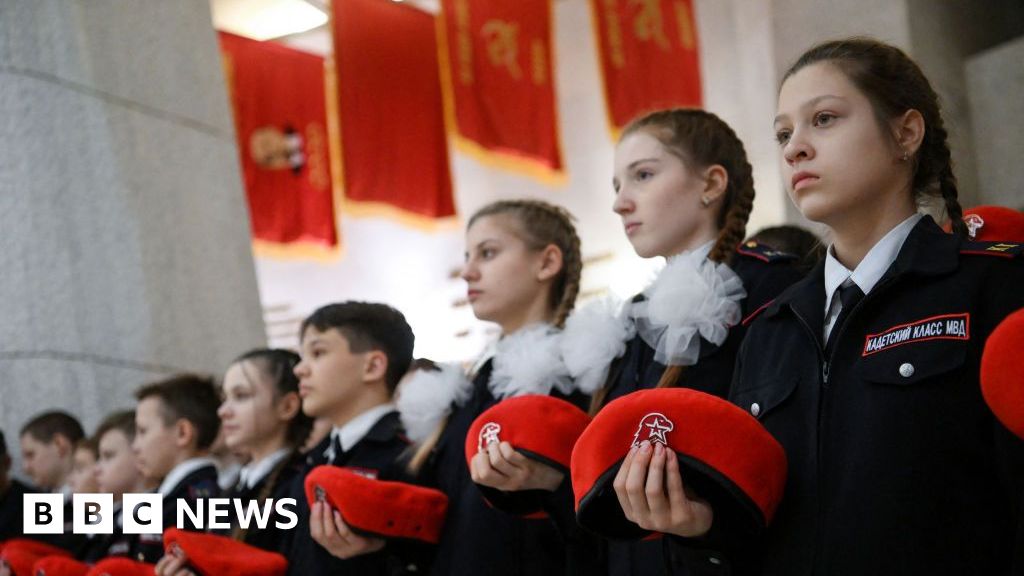
At the heart of Russia’s wartime messaging is a call for unwavering patriotism. State propaganda emphasizes that loyalty to the motherland is paramount, equating dissent with betrayal. This rhetoric has been reinforced through legislative measures, such as strict censorship laws and harsh penalties for those who criticize the war effort.
The Kremlin’s approach mirrors tactics employed in other authoritarian regimes, where patriotism is weaponized to suppress opposition and consolidate power. In Russia, this has led to a chilling effect on free speech, with independent media outlets shuttered and dissenting voices silenced. The message is clear: in times of crisis, there is no room for questioning the state’s actions.
Global Context and the Escalation of Tensions
The war in Ukraine is not an isolated conflict but a flashpoint in a broader geopolitical struggle. It has reignited Cold War-era tensions between Russia and the West, with NATO allies bolstering their military presence in Eastern Europe and imposing unprecedented economic sanctions on Moscow. The conflict has also exposed deep fault lines in global governance, with the United Nations struggling to mediate amid accusations of bias and paralysis.
For Europe, the war has been a wake-up call, prompting a reevaluation of energy dependence on Russia and a push for greater defense cooperation. Meanwhile, countries in the Global South have faced a delicate balancing act, seeking to maintain neutrality while navigating the economic fallout of sanctions and disruptions to grain exports from Ukraine.
Why This Matters Globally
The stakes of this conflict extend far beyond Ukraine’s borders. It is a test of the post-World War II international order, challenging the principles of sovereignty and territorial integrity enshrined in the UN Charter. The war has also raised concerns about the potential for nuclear escalation, with Putin issuing thinly veiled threats about the use of tactical nuclear weapons.
Economically, the conflict has sent shockwaves through global markets, driving up energy prices and exacerbating inflation. The humanitarian toll is equally staggering, with millions of Ukrainians displaced and countless lives lost. For Russia, the war has come at a significant cost, straining its economy and isolating it diplomatically.
The Human Cost and the Path Forward
Beyond the geopolitical and economic dimensions, the war has exacted a profound human cost. Civilians in Ukraine have borne the brunt of the violence, with cities reduced to rubble and countless lives upended. For Russians, the conflict has brought isolation, hardship, and a growing sense of disillusionment.
As the war drags on, the path to peace remains elusive. Diplomatic efforts have faltered, with both sides seemingly entrenched in their positions. The international community continues to grapple with how to mediate a resolution, balancing the need for accountability with the imperative of ending the bloodshed.
A Defining Moment for the 21st Century
The war in Ukraine is more than a regional conflict; it is a defining moment for the 21st century. It has laid bare the fragility of international norms, the dangers of unchecked authoritarianism, and the devastating consequences of war in a hyperconnected world. As the Kremlin doubles down on its narrative of defensive war and patriotism, the global community faces a critical choice: whether to uphold the principles of sovereignty and human rights or to allow aggression to reshape the global order.
In the end, the legacy of this conflict will be shaped not only by the actions of states but by the collective resolve of humanity to confront injustice and forge a path toward peace. As the world watches, the stakes could not be higher.
