



Paris Braces for Political Showdown as Municipal Elections Heat Up
A Battle for the Soul of Paris
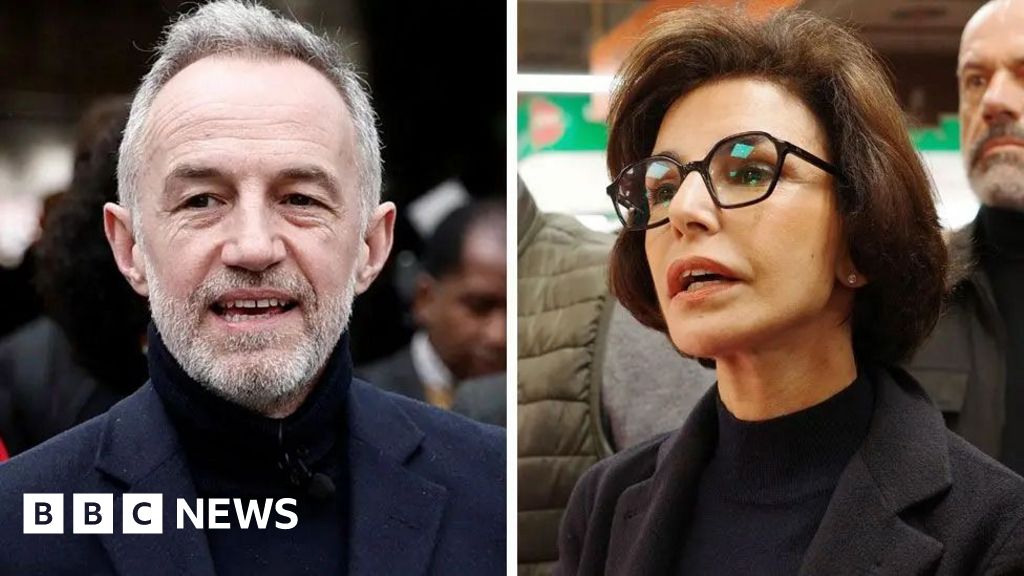
Paris, the iconic heart of France, is gearing up for a high-stakes political clash as incumbent Deputy Mayor Emmanuel Grégoire faces a formidable challenge from conservative rival Rachida Dati. With opinion polls showing Grégoire in the lead, the race has become a litmus test for France’s shifting political landscape. The outcome could reshape not only the city’s governance but also send ripples across Europe, where urban centers are increasingly battlegrounds between progressive and conservative visions for the future.
The Contenders: Grégoire vs. Dati
Emmanuel Grégoire, a key ally of socialist Mayor Anne Hidalgo, represents the continuity of Paris’s left-wing policies, including aggressive climate initiatives and pedestrian-friendly urban reforms. His platform emphasizes sustainability and social equity, aligning with the city’s reputation as a progressive stronghold.
Rachida Dati, a former justice minister under Nicolas Sarkozy and a prominent figure in the center-right Les Républicains party, is campaigning on a platform of security, economic revitalization, and opposition to what she calls Hidalgo’s “anti-car policies.” Her appeal lies in promises to restore business confidence and address rising crime—a message resonating with conservative voters frustrated by years of left-wing governance.
Why This Election Matters Beyond Paris
The Paris municipal race is more than a local contest—it’s a microcosm of Europe’s broader political struggles. Cities like Berlin, Madrid, and Rome have seen similar battles between green progressivism and law-and-order conservatism. With far-right gains in recent EU elections, a victory for Dati could signal a rightward shift in urban politics, challenging the assumption that major cities are unshakably progressive.
Globally, the election is being watched as a bellwether for how post-pandemic cities balance growth, security, and sustainability. Paris’s policies on transportation, policing, and climate often set trends for other megacities. A Dati win could embolden conservatives in cities like London or New York, while a Grégoire victory would reinforce the left’s urban dominance.
The Stakes: Policy Divisions in Focus
1. Urban Mobility & Climate
Grégoire backs Hidalgo’s controversial reduction of car lanes and expansion of bike paths—a policy praised by environmentalists but criticized for causing traffic chaos. Dati vows to reverse these measures, prioritizing drivers and businesses.
2. Security & Policing
Crime and public safety have surged as key issues, with Dati accusing the left of being soft on delinquency. Her tough-on-crime rhetoric mirrors right-wing gains in cities like Stockholm and Milan, where migration and security dominate debates.
3. Housing & Inequality
Paris’s soaring housing costs have widened inequality, fueling discontent. Grégoire pledges more social housing, while Dati focuses on deregulation to spur construction—a divide reflecting broader ideological rifts.
Global Reactions & Implications
European media has framed the race as a test of whether progressivism can retain its urban base. German outlets note parallels with Berlin’s own left-right tussles, while U.S. analysts see echoes of debates between Democratic mayors and GOP challengers over policing and infrastructure.
For France’s President Emmanuel Macron, the election is a midterm report card. A strong showing by Dati could weaken his centrist coalition ahead of the 2027 presidential race, while a Grégoire win would bolster the left’s resurgence.
What Comes Next
With weeks to go, the campaign is expected to intensify, with both sides leveraging national figures to rally support. Polls suggest Grégoire holds an edge, but low turnout or last-minute scandals could tilt the race. International observers warn that Paris’s choice will reverberate far beyond the Seine.
A Defining Moment for Urban Politics
As Parisians prepare to vote, the world watches. This election isn’t just about who governs Paris—it’s about the future of cities in an era of polarization, climate urgency, and economic uncertainty. Whether the city doubles down on progressive reform or pivots toward conservative pragmatism, the results will offer a roadmap for global urban governance in the 21st century. The battle for Paris has begun, and its outcome will echo across continents.
