


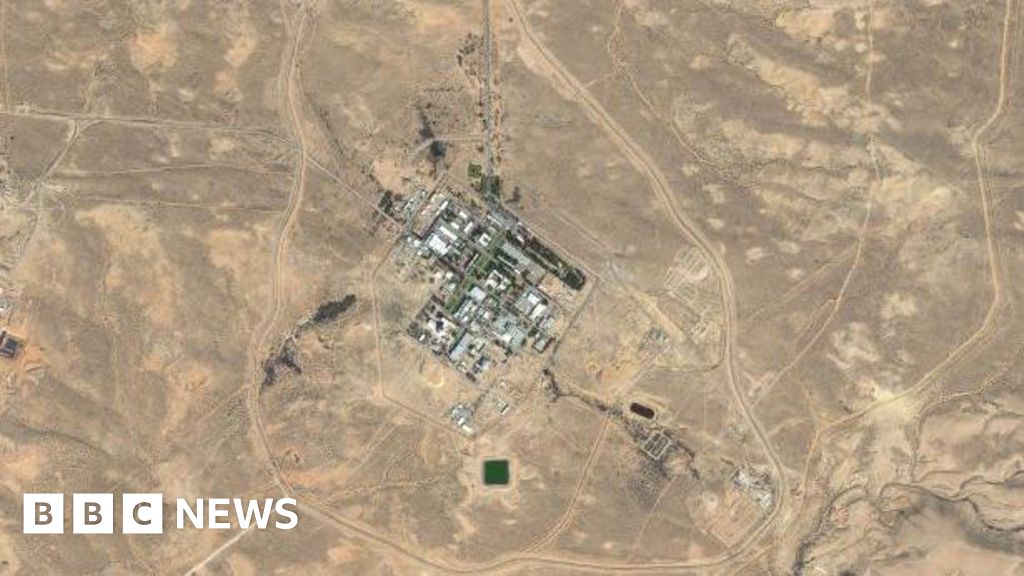

Global Tensions Escalate as Nuclear Watchdog Urges Restraint Amid Military Strikes
The world teetered on the brink of a potentially catastrophic escalation this week as military strikes in a volatile region prompted an urgent plea for restraint from the International Atomic Energy Agency (IAEA). Rafael Grossi, the IAEA’s director general, issued a stark warning following reports of targeted attacks near nuclear facilities, emphasizing the need for “maximum military restraint” to avoid a global disaster. The call comes amid heightened geopolitical tensions, raising fears of unintended consequences that could ripple across borders and destabilize an already fragile international order.
The Escalation: A Dangerous Turn of Events
The recent military strikes, carried out in a region with multiple active nuclear sites, have sparked alarm among global observers. Details remain murky, but initial reports suggest the attacks were aimed at strategic targets near sensitive infrastructure. While the exact motives and actors behind the strikes are still under investigation, the proximity to nuclear facilities has amplified concerns about potential safety breaches or accidental damage.
The IAEA, tasked with monitoring nuclear activities worldwide, has long warned about the risks posed by conflict in areas housing such critical infrastructure. Grossi’s statement underscores the gravity of the situation, as any mishap in these facilities could have devastating environmental, humanitarian, and geopolitical consequences.
Global Context: A World on Edge
The latest escalation occurs against a backdrop of escalating global tensions. From the ongoing war in Ukraine to rising friction in the Indo-Pacific, the international community is grappling with a series of interconnected crises. The use of military force near nuclear facilities adds a new layer of complexity to an already precarious global security landscape.
Historically, conflicts in regions with nuclear capabilities have been met with heightened scrutiny. The Cold War era demonstrated how close the world came to nuclear annihilation, and recent events serve as a grim reminder of the stakes involved. The current situation also highlights the broader challenge of ensuring nuclear safety in an increasingly multipolar world, where state and non-state actors alike possess the means to disrupt global stability.
Why This Matters: The Global Implications
The implications of these strikes extend far beyond the immediate region. Any incident involving nuclear facilities could trigger a cascade of effects, from environmental disasters to mass displacement and loss of life. Additionally, the potential for miscommunication or miscalculation in such high-stakes scenarios could lead to broader conflicts, drawing in global powers and exacerbating existing rivalries.
The IAEA’s role as a neutral arbiter is crucial in this context. Its ability to monitor and verify nuclear activities provides a critical safeguard against accidental or intentional misuse. However, the agency’s effectiveness hinges on the cooperation of member states, many of whom are currently embroiled in geopolitical disputes.
The strikes also raise questions about the adherence to international norms and treaties designed to prevent nuclear proliferation and ensure the peaceful use of nuclear energy. A breach of these agreements could undermine decades of diplomatic efforts, setting a dangerous precedent for other regions and actors.
Humanitarian Concerns: The Cost of Conflict
Beyond the geopolitical ramifications, the strikes pose a direct threat to civilian populations. Nuclear facilities are often located near densely populated areas, and any damage could expose thousands—or even millions—to radiation and other hazards. Humanitarian organizations have already sounded the alarm, calling for immediate measures to protect vulnerable communities.
The psychological toll of living near conflict zones with nuclear sites cannot be overstated. Fear of contamination or catastrophe weighs heavily on residents, many of whom have already endured years of instability and violence. The international community faces a moral imperative to prevent further suffering and ensure the safety of these populations.
The Path Forward: Diplomacy Over Destruction
As tensions simmer, experts emphasize the urgent need for diplomacy to de-escalate the crisis. Multilateral forums, including the United Nations, could serve as platforms for dialogue and conflict resolution. Confidence-building measures, such as transparency in military operations and enhanced communication channels, may help reduce the risk of unintended confrontations.
The IAEA’s appeal for restraint is a crucial first step, but sustained efforts are required to address the root causes of the conflict. Regional and global powers must prioritize peace over short-term gains, recognizing that the consequences of inaction could be catastrophic for all.
Conclusion: A Call to Action
The recent military strikes near nuclear facilities serve as a grim reminder of the fragility of global security. In an era marked by rising geopolitical tensions and advanced military capabilities, the stakes have never been higher. The IAEA’s plea for “maximum military restraint” is not just a warning—it is a call to action for the international community to uphold its commitment to peace and stability.
As the world watches with bated breath, the choices made in the coming days and weeks will shape the trajectory of this crisis. The alternative—a descent into chaos and catastrophe—is too dire to contemplate. Now, more than ever, diplomacy and dialogue must prevail over division and destruction. The future of our shared world depends on it.
