


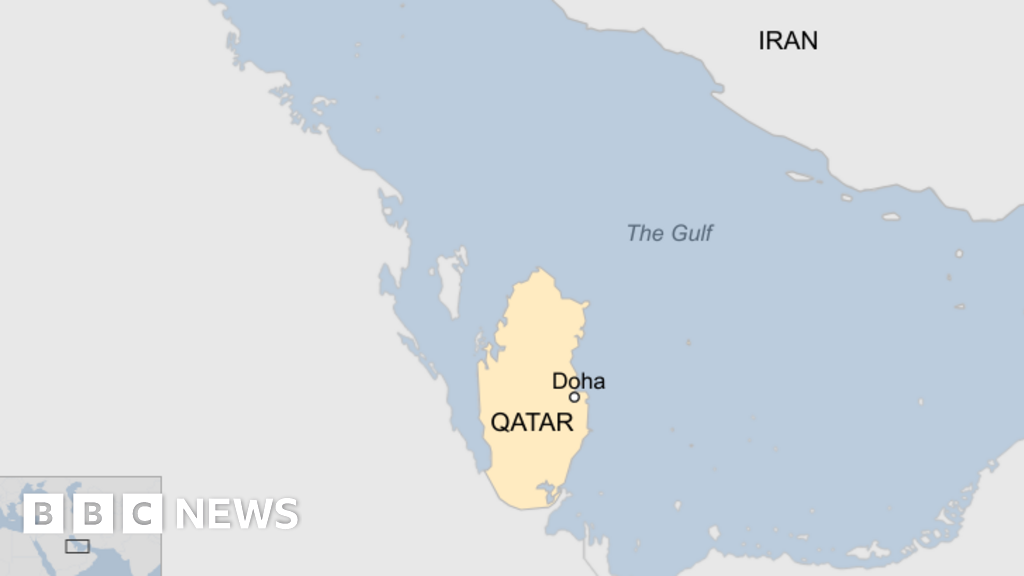

Tragedy Strikes as Qatari and Turkish Military Personnel Perish in Helicopter Crash
In a devastating incident that underscores the inherent risks of military operations, a helicopter crash has claimed the lives of seven individuals, including four Qatari military personnel, one Turkish serviceman, and two technicians from a Turkish defence company. The tragedy, which occurred during a routine training exercise, has sent shockwaves through the Middle East and beyond, raising questions about safety protocols and the complexities of international military partnerships. As investigations unfold, the event highlights the precarious nature of global security collaborations and the human cost of maintaining regional stability.
The Incident: A Routine Mission Turns Tragic
The helicopter, reportedly involved in a joint training operation between Qatari and Turkish forces, went down in an undisclosed location. Eyewitnesses described a sudden loss of control before the aircraft plummeted to the ground, leaving no survivors. The exact cause of the crash remains under investigation, with initial reports pointing to possible mechanical failure or adverse weather conditions.
The presence of both Qatari and Turkish nationals on board underscores the close military ties between the two nations. Qatar and Turkey have increasingly collaborated on defence initiatives in recent years, driven by shared geopolitical interests in the Middle East. This incident, however, serves as a stark reminder of the dangers faced by military personnel, even during non-combat operations.
Global Context: A Partnership Forged in Turmoil
The Qatari-Turkish military alliance is emblematic of broader shifts in the region’s security landscape. Following the 2017 Gulf crisis, in which Qatar faced a diplomatic and economic blockade from several neighbouring states, Ankara emerged as a crucial ally to Doha. Turkey established a military base in Qatar, deepened defence cooperation, and provided significant political support.
This partnership has been further strengthened by mutual concerns over regional instability, particularly in the wake of conflicts in Syria, Libya, and Yemen. Both nations have positioned themselves as key players in mediating regional disputes while bolstering their military capabilities. The helicopter crash not only disrupts this collaboration but also raises concerns about the sustainability of such alliances amid inherent operational risks.
Why It Matters: Implications for Military Alliances and Global Security
The loss of seven lives in this crash reverberates far beyond the Middle East. It underscores the fragility of international military partnerships, which often involve complex logistical and technical challenges. The integration of personnel and equipment from different nations, while beneficial for strategic cooperation, can also introduce vulnerabilities if not meticulously managed.
Moreover, the incident highlights the broader issue of military safety. According to data from the International Institute for Strategic Studies (IISS), non-combat casualties have accounted for a significant proportion of military deaths globally in recent years. This tragedy serves as a poignant reminder of the need for stringent safety measures and continuous evaluation of operational protocols.
For Qatar and Turkey, the crash could prompt a reassessment of their joint military activities. Any perceived weaknesses in safety or coordination could erode trust and hinder future collaboration. In a region already fraught with geopolitical tensions, such a setback could have far-reaching consequences.
The Human Cost: Remembering Those Lost
Behind the headlines and geopolitical implications lies a deeply personal tragedy. The seven individuals who perished in the crash were not just statistics; they were dedicated professionals committed to their nations’ security.
The Qatari personnel represented their country’s growing military prowess, trained to uphold Qatar’s sovereignty in a volatile region. The Turkish serviceman embodied Ankara’s strategic outreach, bridging gaps between nations in pursuit of stability. The two Turkish technicians, likely involved in maintaining or upgrading military equipment, symbolized the technical expertise underpinning modern defence systems.
Their untimely deaths serve as a sombre reminder of the sacrifices made by military personnel worldwide, often far from the public eye.
Investigation and Accountability: What Comes Next?
Authorities from both Qatar and Turkey have vowed to conduct thorough investigations into the crash. Key areas of focus include the helicopter’s maintenance records, the conditions of the training exercise, and potential external factors such as weather or technical malfunctions.
Transparency in these investigations will be critical, not only for the families of the victims but also for restoring confidence in the Qatari-Turkish military partnership. Any findings or recommendations could set a precedent for other nations engaged in similar collaborations, influencing global safety standards for military operations.
Conclusion: A Stark Reminder in an Unpredictable World
As the world grapples with escalating conflicts and shifting alliances, the helicopter crash serves as a poignant reminder of the risks inherent in maintaining global security. The loss of seven lives is a tragedy that reverberates across borders, highlighting the complexities and challenges of international military cooperation.
While the incident underscores the need for robust safety measures and accountability, it also pays tribute to the men and women who dedicate their lives to safeguarding their nations. In an unpredictable world, their sacrifices must never be forgotten, and their legacy must inspire renewed efforts to ensure such tragedies do not recur.
This is not just a story of a helicopter crash; it is a sobering reflection on the human cost of peacekeeping and the enduring challenges of global security.
