



Iranian Missile Strikes on Southern Israel Escalate Regional Tensions
At least 160 injured as ballistic missiles target Israeli towns near nuclear facility
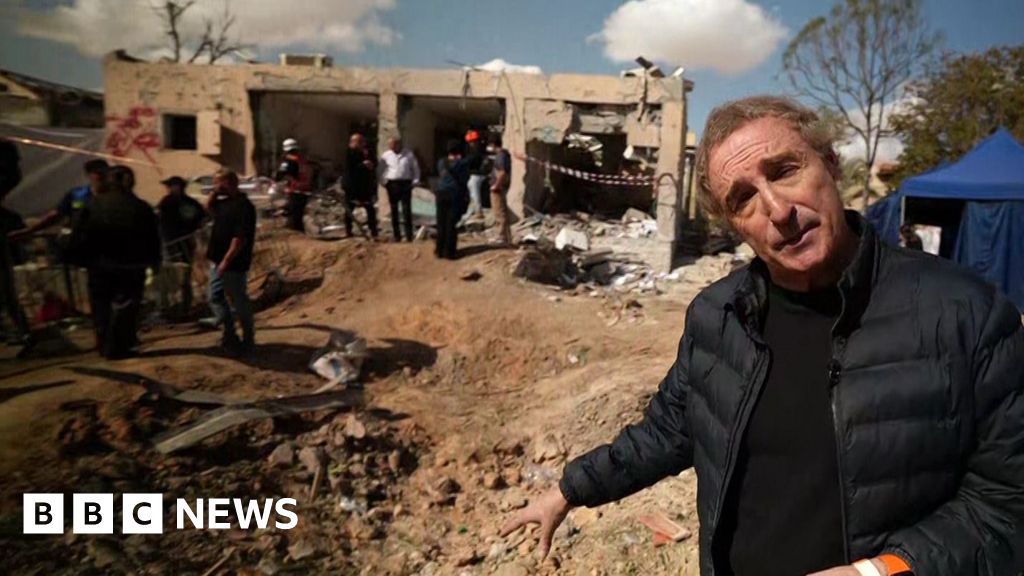
In a dramatic escalation of hostilities between Iran and Israel, more than 160 people were injured on Saturday evening when Iranian ballistic missiles struck the southern Israeli towns of Arad and Dimona. The attack, which occurred near Israel’s Dimona nuclear facility, has raised fears of a wider regional conflict and underscored the fragile state of Middle Eastern geopolitics. This latest exchange of fire marks a significant intensification in the longstanding shadow war between the two adversaries, with global implications for energy security, nuclear proliferation, and international diplomacy.
The Attack: A Calculated Strike
According to Israeli emergency services, the missiles struck civilian areas, causing widespread panic and significant damage to infrastructure. Dimona, home to Israel’s Negev Nuclear Research Center, is a strategic target, raising questions about Iran’s intentions behind the attack. While the facility itself was reportedly undamaged, the proximity of the strike has heightened concerns about Iran’s military capabilities and resolve.
The Iranian government swiftly claimed responsibility for the assault, with state media framing it as a direct response to an alleged Israeli attack on Iran’s Natanz nuclear facility earlier in the week. Natanz, a key site in Iran’s uranium enrichment program, has been a focal point of hostilities between the two nations, with Israel repeatedly accused of sabotage operations aimed at curbing Iran’s nuclear ambitions.
Global Context: A Broader Conflict Looms
The latest exchange of attacks occurs against a backdrop of escalating tensions in the Middle East, a region already grappling with the fallout from the Gaza conflict, instability in Yemen, and the ongoing Syrian civil war. For years, Iran and Israel have engaged in a covert war marked by cyberattacks, assassinations, and sabotage. However, Saturday’s missile strike represents a rare and alarming shift to direct military confrontation.
The international community has been quick to respond. The United Nations Security Council convened an emergency session to address the crisis, while the United States and European Union issued calls for restraint. Analysts warn that a full-scale war between Iran and Israel could destabilize global oil markets, disrupt international trade routes, and draw in regional powers such as Saudi Arabia, Turkey, and Russia.
Moreover, the attack highlights the fragility of the 2015 Iran nuclear deal, formally known as the Joint Comprehensive Plan of Action (JCPOA). Since the U.S. withdrawal from the agreement in 2018, Iran has gradually ramped up its uranium enrichment activities, prompting fears of a nuclear arms race in the region. Israel, which has long opposed the JCPOA, has repeatedly stated its readiness to take military action to prevent Iran from acquiring nuclear weapons.
Why It Matters: Global Implications
The stakes of this conflict extend far beyond the Middle East. Iran’s missile strike on Israel brings into sharp focus the potential for a broader war that could disrupt global energy supplies. The Middle East remains a critical hub for oil production, and any escalation could trigger price spikes, exacerbating inflationary pressures already affecting economies worldwide.
Additionally, the attack underscores the growing capabilities of Iran’s missile program, which has been a source of concern for Western powers. Iran’s ability to target Israel with precision raises questions about the effectiveness of existing defense systems and the need for enhanced international cooperation on missile proliferation.
On a humanitarian level, the conflict threatens to deepen the suffering of civilians in both nations. The missile strikes in Israel have left hundreds injured and displaced, while Iran continues to grapple with economic sanctions and internal unrest. A prolonged war could exacerbate these challenges, leading to greater instability and displacement across the region.
Looking Ahead: Diplomacy or Escalation?
As the dust settles from Saturday’s attack, the world watches closely to see whether diplomacy or further violence will prevail. Efforts to revive the Iran nuclear deal remain stalled, with distrust lingering on all sides. Meanwhile, Israel has vowed to respond to the missile strike, raising the specter of a cycle of retaliation that could spiral out of control.
The involvement of global powers will be crucial in determining the path forward. The United States, Russia, and European nations must navigate a delicate balancing act, weighing the need for de-escalation against their respective strategic interests. For now, the hope is that cooler heads will prevail, avoiding a conflict that could have catastrophic consequences for the region and beyond.
Conclusion: A Precarious Moment
Saturday’s missile strike by Iran on southern Israel is a stark reminder of the volatile state of Middle Eastern geopolitics. With tensions at a boiling point, the world faces a precarious moment that demands urgent diplomacy and collective action. The stakes could not be higher: a misstep could plunge the region into war, with ripple effects felt across the globe. As the international community grapples with this crisis, the focus must be on preventing escalation while addressing the root causes of this enduring conflict. The alternative—a prolonged and devastating war—is a scenario no one can afford.
