



Israel Expands Military Operations into Lebanon, Escalating Tensions with Hezbollah
October 2023
A Precarious Escalation in the Middle East
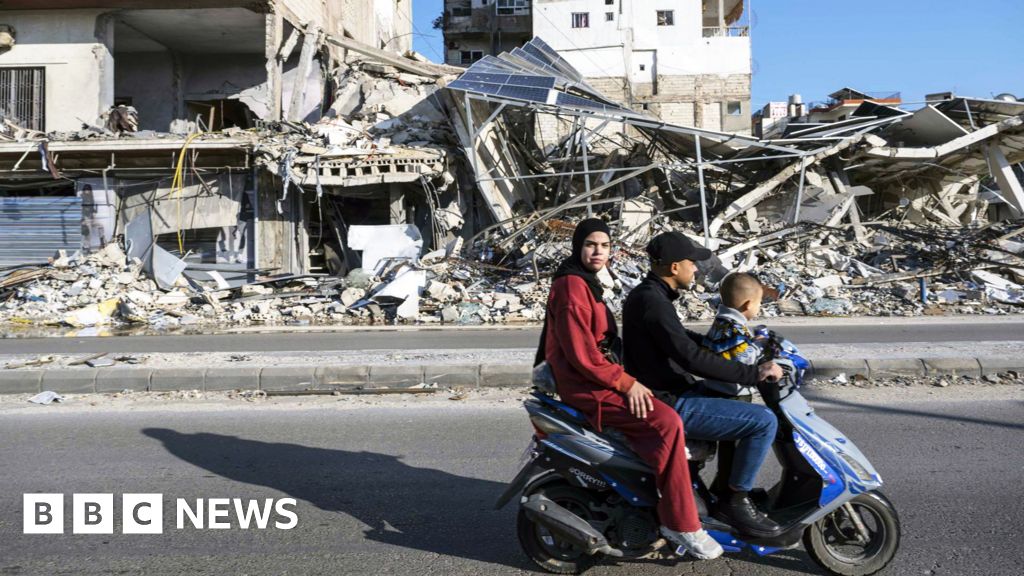
The Middle East teetered on the brink of a wider conflict as Israeli forces pushed deeper into Lebanese territory, targeting Hezbollah strongholds in a dramatic escalation of hostilities. In a statement, Israeli Defense Minister Yoav Katz confirmed that the Israel Defense Forces (IDF) were “manoeuvring into Lebanese territory to seize a front line of defence,” dismantling what he described as terrorist infrastructure and outposts operated by Hezbollah. This unprecedented move marks a significant shift in Israel’s strategy, raising fears of a protracted conflict that could destabilize the region and draw in global powers.
The operation, which includes the destruction of houses in Lebanese border villages allegedly used as Hezbollah bases, underscores the intensity of Israel’s response to ongoing threats from the Iran-backed militant group. As tensions mount, the international community watches with growing concern, wary of the potential for a broader regional war that could have far-reaching consequences for global security.
Background: A Decades-Long Conflict
The Israel-Lebanon border has long been a flashpoint for violence, with Hezbollah emerging as a formidable adversary to Israel since its formation in the 1980s. The militant group, which is both a political party and a heavily armed military force, has engaged in sporadic clashes with Israel for decades, most notably during the 2006 Lebanon War. That conflict ended in a tense ceasefire, but skirmishes have persisted, fueled by Hezbollah’s vast arsenal of rockets and its alliances with regional powers like Iran.
In recent years, Hezbollah has tightened its grip on southern Lebanon, using border villages as staging grounds for attacks against Israel. Israeli officials have repeatedly warned that the group’s growing military capabilities pose an existential threat, prompting preemptive strikes and defensive measures. The latest incursion into Lebanese territory signals Israel’s determination to neutralize this threat, even at the risk of escalating hostilities.
Global Context: A Powder Keg in the Middle East
The escalation between Israel and Hezbollah comes at a time of heightened volatility in the Middle East. Iran, Hezbollah’s primary benefactor, has been increasingly assertive in its regional ambitions, supporting proxy groups in Iraq, Syria, and Yemen. Meanwhile, Israel has strengthened ties with Arab states like the UAE and Bahrain through the Abraham Accords, creating a complex geopolitical landscape where alliances and rivalries collide.
The conflict also has implications for global energy security. Lebanon and Israel both have significant natural gas reserves in the eastern Mediterranean, a resource that has become a source of both cooperation and contention. Any prolonged conflict could disrupt energy supplies and drive up prices, affecting economies worldwide.
For Western powers, particularly the United States, the situation poses a delicate balancing act. While Israel is a key ally, the U.S. has also sought to stabilize the region and prevent Iran from expanding its influence. The Biden administration, already grappling with crises in Ukraine and elsewhere, now faces the challenge of navigating a potential new front in Middle Eastern conflict.
Why This Matters: Risks and Repercussions
The stakes of this escalation are immense. A full-scale war between Israel and Hezbollah could devastate Lebanon, a country already crippled by economic collapse and political instability. It could also draw in other actors, such as Iran, which might retaliate against Israel or its allies in the region.
The humanitarian consequences would be severe. Southern Lebanon is densely populated, and any military operation risks displacing thousands of civilians and causing widespread casualties. On the Israeli side, Hezbollah’s rocket capabilities pose a direct threat to major cities, raising fears of mass casualties and infrastructural damage.
For the international community, the conflict underscores the fragility of peace in the Middle East and the urgent need for diplomatic solutions. It also highlights the limitations of military interventions, which often exacerbate tensions rather than resolve them.
The Path Forward: Diplomacy or Destruction?
As the situation unfolds, the question remains: Can diplomacy avert further escalation? Past efforts to broker peace between Israel and Lebanon have yielded mixed results, but the current crisis may compel a renewed push for dialogue. Regional and global powers have a vested interest in preventing the conflict from spiraling out of control, and multilateral initiatives could offer a pathway to de-escalation.
However, the challenges are formidable. Hezbollah’s deep entrenchment in southern Lebanon and its ideological opposition to Israel’s existence complicate any peace process. Similarly, Israel’s uncompromising stance on security threats leaves little room for negotiation.
Conclusion: A Critical Juncture for Global Stability
The incursion of Israeli forces into Lebanon marks a pivotal moment in the Middle East’s fraught history. It is a stark reminder of the region’s volatility and the precarious balance of power that underpins it. For the global community, the conflict is a test of resolve and a call to action.
As the world watches, the choices made in the coming days and weeks will shape the trajectory of this crisis. The hope is that cooler heads will prevail, steering the region away from the brink of disaster. But with so much at stake, the path to peace remains uncertain, and the specter of war looms large. In a world already grappling with myriad challenges, the Middle East’s latest flashpoint is a sobering reminder of the fragility of global security and the urgent need for collective solutions.
