



Iran’s Missile Capabilities: Assessing the Global Threat Landscape
A Shadow Over Europe: Could Iranian Missiles Reach London?
The specter of long-range missile threats has resurfaced in Western security discussions, with experts warning that Iran possesses the technical capability to strike targets as far as London. While the likelihood of such an attack remains low—given robust Western missile defense systems—the mere possibility underscores the volatile state of global security. As tensions simmer in the Middle East, the question is no longer just about Iran’s regional ambitions but its potential to project power far beyond its borders.
Iran’s Missile Arsenal: Capabilities and Intentions
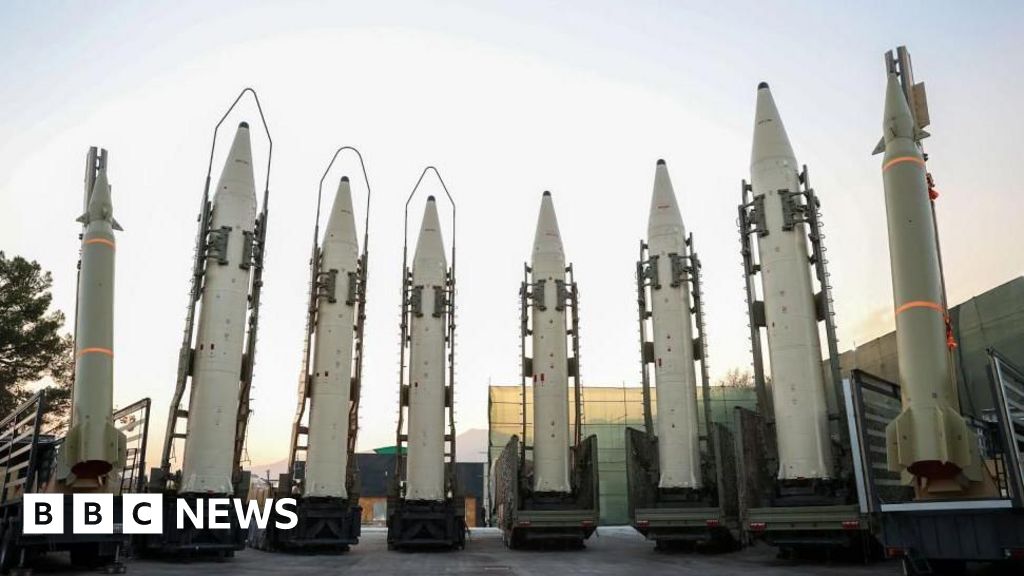
Iran has steadily expanded its missile program over the past decade, developing medium- and long-range ballistic missiles capable of reaching distances exceeding 2,000 kilometers. Recent tests of the Kheibar Shekan missile, with a reported range of 1,450 km, demonstrate Tehran’s advancing precision strike capabilities. Some analysts suggest that with further modifications, Iranian missiles could theoretically reach European capitals, including London—approximately 4,000 km from Iran.
However, capability does not equate to intent. Iran has historically used its missile program as a deterrent and a bargaining chip in geopolitical negotiations. Most of its arsenal remains focused on regional adversaries, particularly Israel and U.S. bases in the Middle East. A direct strike on a NATO member like the UK would be an unprecedented escalation, inviting devastating retaliation.
Missile Defense: The West’s Shield Against Long-Range Threats
Even if Iran were to attempt a strike on Europe, Western missile defense systems would pose a formidable barrier. The UK’s Type 45 destroyers, equipped with Sea Viper missile interceptors, along with U.S. Aegis systems stationed across Europe, are designed to neutralize incoming ballistic threats. NATO’s integrated air and missile defense network further reduces the risk of a successful strike.
Experts emphasize that while Iran’s technology is advancing, it lacks the sophistication to reliably bypass these defenses. “The probability of an Iranian missile reaching London is minimal,” says Dr. Emily Harris, a defense analyst at the Royal United Services Institute. “Modern interceptors are highly effective against known Iranian missile types.”
Global Implications: Why This Matters Beyond the Middle East
The discussion around Iran’s missile reach is not just about hypothetical worst-case scenarios—it reflects broader concerns over nuclear proliferation, regional instability, and the erosion of international arms control agreements. If Iran were to develop nuclear warheads (a prospect the West has long sought to prevent), the calculus of deterrence would shift dramatically.
Moreover, Iran’s missile technology transfers to proxy groups—such as Yemen’s Houthis, who have targeted Saudi Arabia and international shipping—demonstrate how regional conflicts can have global ripple effects. A single miscalculation or escalation could drag major powers into direct confrontation.
Diplomatic Stalemate and the Risk of Escalation
Efforts to curb Iran’s missile program through diplomacy, including the now-defunct JCPOA nuclear deal, have faltered. With no active negotiations and Tehran accelerating uranium enrichment, Western powers face a dilemma: accept a more emboldened Iran or risk military confrontation.
The U.S. and EU have imposed sanctions, but their effectiveness is diminishing as Iran deepens ties with Russia and China. Meanwhile, Israel’s covert campaign against Iranian nuclear scientists and facilities adds another layer of volatility.
Conclusion: A Persistent Threat in an Unstable World
While the immediate risk of an Iranian missile strike on Europe remains low, the broader implications of Tehran’s growing arsenal cannot be ignored. In an era where regional conflicts increasingly spill into global security crises, the West must balance deterrence with diplomacy—ensuring that today’s theoretical threats do not become tomorrow’s catastrophic realities. The world is watching, and the stakes have never been higher.
