


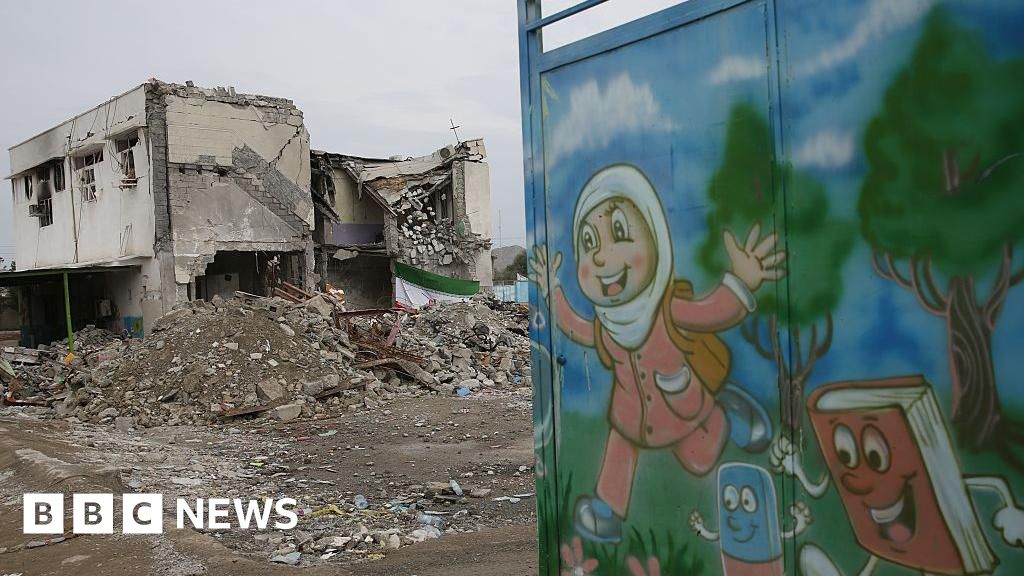

Global Outrage After Devastating Strike Claims Lives of 168, Mostly Children
In a strike that has sent shockwaves across the globe, at least 168 people—most of them children—were killed in a horrific attack that has been described as a moment of “visceral horror” by Volker Türk, the United Nations High Commissioner for Human Rights. The incident, which occurred within the last 36 hours, has reignited debates about the ethics of modern warfare, the protection of civilians, and the escalating humanitarian crises in conflict zones worldwide. As images of the aftermath circulate, the international community is grappling with mounting outrage and calls for accountability.
The Strike: A Tragic Escalation in Ongoing Conflict
The strike took place in a region already ravaged by protracted conflict, though exact details of the location remain under verification. Preliminary reports suggest that the attack targeted a densely populated area, leading to catastrophic casualties among civilians, particularly children. Eyewitnesses describe scenes of chaos and devastation, with families torn apart and rescue workers overwhelmed by the scale of the tragedy.
While the precise circumstances surrounding the strike—including the responsible party and the intended target—are still being investigated, the sheer loss of civilian life has drawn widespread condemnation. Analysts warn that such incidents risk further destabilizing an already volatile region, potentially fueling cycles of violence and retaliation.
Global Context: A Rising Tide of Civilian Casualties
This deadly strike is not an isolated incident but part of a broader, deeply troubling trend. According to the United Nations, civilian casualties in armed conflicts have risen significantly in recent years, with children disproportionately affected. From Syria to Yemen, Afghanistan to Ukraine, the collateral damage of modern warfare continues to exact a devastating human toll.
The use of explosive weapons in populated areas has been a particularly contentious issue, with human rights organizations repeatedly warning of their indiscriminate effects. Despite efforts to establish international norms and legal frameworks to protect civilians, enforcement remains weak, and violations are often met with impunity.
This latest atrocity underscores the urgent need for renewed global focus on the protection of non-combatants and for stronger mechanisms to hold perpetrators accountable. It also raises questions about the role of advanced military technologies in reducing—or exacerbating—civilian harm.
Why This Matters: Beyond the Immediate Tragedy
The implications of this strike extend far beyond the immediate loss of life. Its impact is felt on multiple levels:
-
Humanitarian Crisis: The attack exacerbates an already dire humanitarian situation in the region, straining fragile health systems and displacing survivors. Aid organizations warn that delivering essential services will become increasingly challenging, further endangering vulnerable populations.
-
Geopolitical Tensions: The strike has the potential to escalate existing conflicts, drawing in regional and global powers. It could also complicate diplomatic efforts to broker peace agreements or ceasefires.
-
Global Solidarity: The tragedy has galvanized international outrage, with leaders, activists, and ordinary citizens demanding justice. Social media has played a crucial role in amplifying these voices, creating pressure for action.
-
Ethical Questions: The incident forces a reckoning with the moral dilemmas of warfare, particularly the acceptability of civilian casualties in pursuit of military objectives. It also highlights the need for clearer rules of engagement and greater transparency in conflict zones.
International Reactions: Calls for Accountability and Justice
Reactions to the strike have been swift and unequivocal. The United Nations has called for an immediate, independent investigation to determine the facts and hold those responsible accountable. Humanitarian organizations, including Médecins Sans Frontières (Doctors Without Borders) and the International Committee of the Red Cross, have echoed these demands, emphasizing the imperative to prioritize civilian safety.
Several global leaders have issued statements condemning the attack, though responses have varied in tone and specificity. Some have urged restraint and de-escalation, while others have called for punitive measures against the perpetrators. The divergence in rhetoric underscores the complexities of addressing such crises in a multipolar world.
The Path Forward: Balancing Justice and Stability
As the international community grapples with how to respond, the immediate priorities are clear: providing aid to survivors, ensuring access to medical care, and supporting local authorities in their recovery efforts. Longer-term, however, the focus must shift to preventing such tragedies from recurring.
This will require concerted efforts on multiple fronts: strengthening international humanitarian law, enhancing oversight of military operations, and fostering dialogue to resolve underlying conflicts. It will also demand courage from global leaders to confront uncomfortable truths and make difficult decisions.
Conclusion: A Stark Reminder of the Cost of War
The strike that claimed 168 lives, most of them children, is a stark reminder of the human cost of war. It is a tragedy that transcends borders, compelling us to confront the moral and ethical dimensions of modern conflict. As the world mourns these lost lives, it must also reckon with the systemic failures that allow such atrocities to occur.
In the face of such horror, the international community has a choice: to turn away in despair or to channel its outrage into meaningful action. The path forward is fraught with challenges, but the alternative—inaction—is unthinkable. For the sake of those who have perished and those who continue to suffer, the world must rise to this moment with resolve and compassion.
