



Israeli Airstrike in Lebanon Kills Civilians Amid Escalating Cross-Border Tensions
A Deadly Strike in the Shadow of War
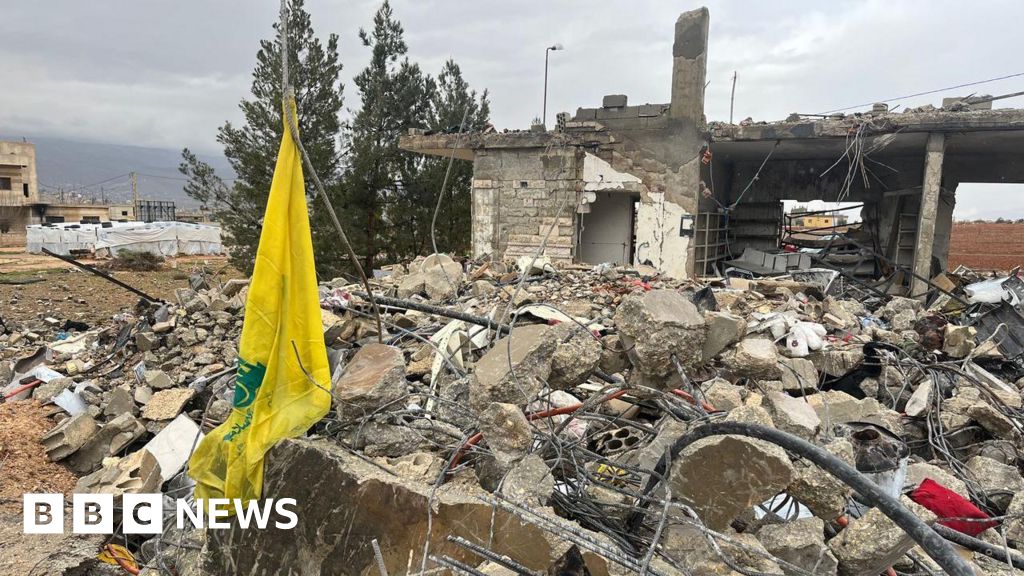
The quiet village of Aitaroun in southern Lebanon was shattered before dawn on Tuesday as an Israeli airstrike leveled a residential building, killing at least four people. Local relatives insist the victims were civilians—farmers and laborers with no ties to militant groups. But the Israel Defense Forces (IDF) maintains the strike targeted “terrorist infrastructure” linked to Hezbollah, the Iran-backed Shiite movement. The conflicting narratives underscore the perilous volatility of the Israel-Lebanon border, where near-daily exchanges of fire since October have pushed the region closer to all-out war.
The Human Toll of a Shadow Conflict
Survivors and family members identified the dead as two brothers, their cousin, and a neighbor—all unarmed civilians, according to a relative who spoke to the BBC. “They were sleeping when the missile hit,” the witness said, describing frantic efforts to dig survivors from the rubble. The IDF has not released details on the alleged Hezbollah presence in the building, but Lebanese security sources acknowledge the area is a known Hezbollah stronghold. The strike is the latest in a series of Israeli operations targeting what it calls “launch sites and weapons depots” following Hezbollah’s near-daily rocket attacks on northern Israel.
A Regional Powder Keg
The violence is part of a dangerous escalation triggered by Hamas’s October 7 attack on Israel and the subsequent war in Gaza. Hezbollah, a Hamas ally, has opened a second front to divert Israeli military resources, firing over 2,000 rockets into northern Israel since October. Israel’s retaliatory strikes have killed over 200 Hezbollah fighters and 50 Lebanese civilians, displacing 90,000 people on both sides of the border. The U.S. and European powers have scrambled to contain the conflict, fearing a repeat of the 2006 Israel-Hezbollah war, which left 1,200 dead in Lebanon and 165 in Israel.
Why This Strike Matters Globally
The Aitaroun attack highlights three critical risks:
- Civilian Casualties Undermine Ceasefire Efforts: As with Gaza, disputed claims over targets fuel outrage and complicate diplomacy.
- Proxy War Escalation: Hezbollah’s arsenal—estimated at 150,000 rockets—could overwhelm Israel’s Iron Dome if full-scale war erupts.
- U.S. and Iran on Collision Course: Washington backs Israel’s strikes while Tehran arms Hezbollah, raising stakes in a region already reeling from Houthi attacks and Iraqi militia clashes.
The Fragile Diplomatic Backdrop
French and U.S. envoys have shuttled between Beirut and Tel Aviv in recent weeks, proposing a Hezbollah withdrawal north of the Litani River in exchange for Israeli de-escalation. But Hezbollah insists it will only halt attacks if Gaza’s war ends—a nonstarter for Israel, which vows to dismantle Hamas first. Meanwhile, the U.N. warns that 96% of Lebanese border towns are now uninhabitable due to strikes, creating a humanitarian time bomb.
A Test for International Law
Legal experts note that under the laws of war, civilian deaths during strikes on military targets may not constitute war crimes—but only if precautions are taken and collateral damage is proportional. The IDF says it follows these principles; Human Rights Watch accuses both sides of indiscriminate attacks. With investigations unlikely, accountability remains elusive.
The Path Forward—or Toward Disaster?
For now, both Israel and Hezbollah appear to be calibrating strikes to avoid triggering a broader war. But as Gaza’s conflict drags on, miscalculations grow likelier. “Every day this continues, we’re rolling the dice,” a Western diplomat told CNN. With global attention fractured by Ukraine, Sudan, and U.S.-China tensions, the world risks sleepwalking into another Middle East catastrophe.
A Border on the Brink
As funerals began in Aitaroun, Israeli sirens blared again in Kiryat Shmona, where Hezbollah rockets wounded three. The cycle repeats: airstrike, rocket, denial, grief. Beyond the headlines, the real tragedy is the normalization of a conflict with no winners—only victims caught between militant agendas and geopolitical brinkmanship. Until leaders choose talks over tanks, the drums of war will only grow louder.
