



Ukraine’s Naval Strikes Escalate Maritime Confrontation in Black Sea and Mediterranean
Global Shipping and Energy Security Under Threat as Conflict Takes to the Seas
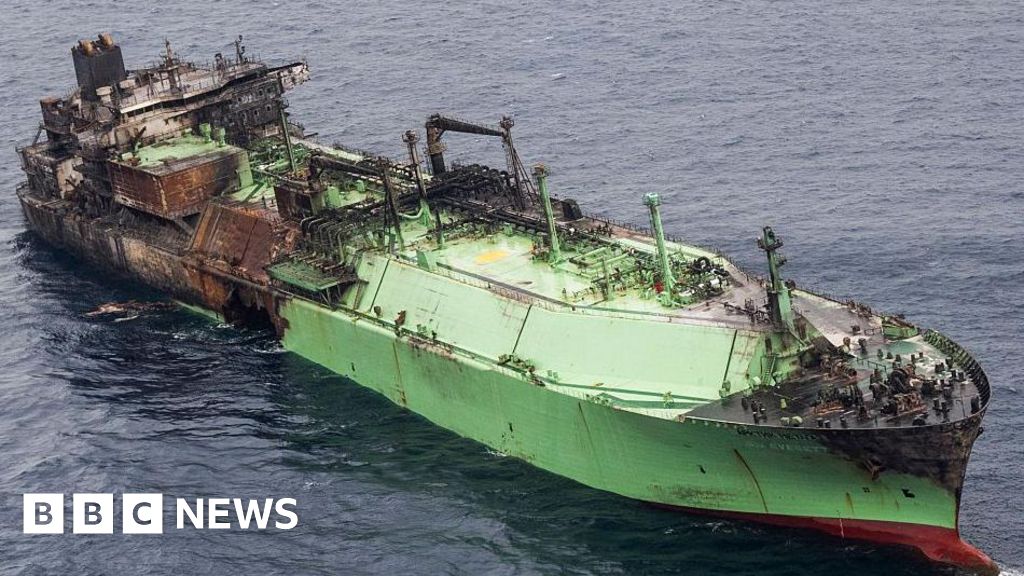
The waves of the Black Sea and Mediterranean have become the latest theater of war, as Ukraine intensifies its maritime campaign against Russian-affiliated vessels, escalating tensions in one of the world’s most strategic waterways. In December, Ukraine’s Security Service (SBU) claimed responsibility for crippling three vessels in the Black Sea within two weeks, including the Dashan, which reportedly suffered “critical damage.” Adding to the mounting maritime conflict, the Quendil oil tanker was struck in the Mediterranean just over a week later. These incidents underscore a new dimension of the Russo-Ukrainian war, with ripple effects that threaten global shipping lanes, energy security, and regional stability.
A Maritime Escalation in Context
The Black Sea has long been a focal point of geopolitical competition, serving as a critical corridor for trade, energy, and military strategy. Since Russia’s annexation of Crimea in 2014 and the full-scale invasion of Ukraine in February 2022, the region has been a hotspot of confrontation. Ukraine’s recent maritime strikes mark a significant escalation, signaling Kyiv’s intent to extend its counteroffensive beyond land borders and into the waters controlled or contested by Russia.
The SBU’s reported targeting of the Dashan and other vessels aligns with Ukraine’s broader strategy to disrupt Russian logistics and diminish Moscow’s naval dominance in the Black Sea. The strike on the Quendil oil tanker in the Mediterranean further highlights Ukraine’s growing capability—and willingness—to project force into international waters, raising concerns about the spillover of conflict into global shipping routes.
The Global Implications of Maritime Conflict
The Black Sea and Mediterranean are vital arteries of global commerce, with the former serving as a key export route for Ukrainian and Russian grain, oil, and other commodities. The latter connects Europe, the Middle East, and North Africa, facilitating the flow of energy resources such as oil and natural gas. Disruptions in these regions have far-reaching consequences, particularly for energy markets already strained by the war in Ukraine and ongoing geopolitical tensions.
The targeting of vessels like the Quendil, an oil tanker, underscores the vulnerability of energy infrastructure in conflict zones. Any prolonged disruption to maritime trade could trigger price volatility, exacerbate global inflation, and deepen economic uncertainty. Moreover, the potential for miscalculation or unintended escalation in these waters could draw in NATO member states, particularly Turkey, Romania, and Bulgaria, which border the Black Sea and have significant stakes in regional security.
Humanitarian and Environmental Risks
Beyond economic and geopolitical concerns, the maritime conflict poses significant humanitarian and environmental risks. Attacks on commercial vessels endanger the lives of crew members, many of whom are civilian workers from diverse global backgrounds. The Quendil strike, for instance, could have resulted in casualties or forced evacuations, further complicating maritime operations in the region.
Environmental hazards also loom large. The Black Sea and Mediterranean are fragile ecosystems, and damage to oil tankers or industrial vessels could lead to catastrophic spills, devastating marine life and coastal communities. The precedent set by the Quendil incident raises alarm bells about the potential for environmental disasters in contested waters.
Ukraine’s Strategic Calculations
Ukraine’s maritime campaign appears to be a calculated effort to weaken Russia’s naval capabilities and disrupt its logistics network. By targeting vessels like the Dashan, Kyiv seeks to undermine Moscow’s ability to resupply its forces and maintain control over critical sea routes. The strike on the Quendil further signals Ukraine’s intent to challenge Russia’s presence in international waters, complicating Moscow’s operations beyond the Black Sea.
This strategy also carries symbolic weight. By extending its counteroffensive into maritime domains, Ukraine demonstrates its resolve and capability to confront Russia on multiple fronts. However, this approach also risks provoking a broader escalation, particularly if Russia perceives these strikes as a direct threat to its strategic interests in the region.
The Broader Geopolitical Landscape
The maritime conflict in the Black Sea and Mediterranean is emblematic of the broader geopolitical struggle reshaping the global order. Russia’s invasion of Ukraine has not only redrawn the map of Europe but also intensified competition for control over critical waterways and resources. Ukraine’s naval strikes reflect a world increasingly defined by multipolar rivalries, where regional conflicts have global repercussions.
NATO and the European Union have closely monitored these developments, with Western nations providing military and economic support to Ukraine while seeking to avoid direct confrontation with Russia. Turkey, a key NATO member and Black Sea power, has navigated a delicate balancing act, maintaining ties with both Kyiv and Moscow while asserting its influence in the region. The maritime conflict underscores the complex interplay of alliances and interests shaping the geopolitical landscape.
Why This Matters
The escalation of maritime conflict in the Black Sea and Mediterranean matters because it threatens the stability of vital global trade routes, exacerbates energy security concerns, and raises the specter of broader regional conflict. It also highlights the human and environmental costs of war, reminding the world that the consequences of conflict extend far beyond the battlefield.
As Ukraine extends its counteroffensive into maritime domains, the stakes for global security grow ever higher. The international community must grapple with the challenges posed by this evolving conflict, balancing support for Ukraine with efforts to prevent further escalation.
Conclusion
The waves crashing against the hulls of crippled vessels in the Black Sea and Mediterranean are more than just echoes of war; they are harbingers of a broader maritime confrontation with profound global implications. Ukraine’s naval strikes against Russian-affiliated vessels mark a new chapter in the Russo-Ukrainian war, one that threatens to destabilize critical shipping lanes, disrupt energy markets, and endanger lives. As the conflict extends into international waters, the world watches with bated breath, acutely aware that the reverberations of this maritime struggle will be felt far beyond the horizon.
