



Ukraine-Russia Tensions Escalate Over Critical Energy Hub Bombing
A Strategic Blow to Ukraine’s Energy Infrastructure
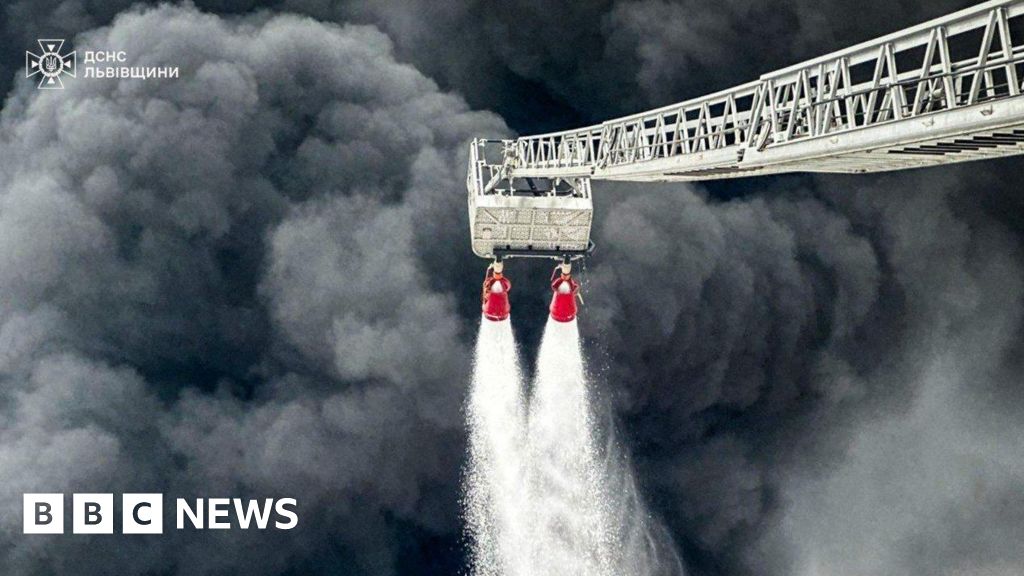
In the latest escalation of the Russia-Ukraine conflict, a critical energy hub in western Ukraine has become the focal point of a heated dispute between Kyiv and Budapest. The facility, bombed by Russian forces, has seen its oil flow suspended indefinitely, raising concerns about Europe’s energy security and the broader implications for global markets. While Kyiv insists the damage is severe, Budapest has cast doubt on the extent of the destruction, highlighting the growing mistrust and geopolitical fissures in the region.
The attack, part of a broader Russian strategy to cripple Ukraine’s infrastructure, threatens to disrupt energy supplies not only to Ukraine but also to neighboring countries heavily reliant on its pipelines. As tensions mount, the incident underscores the fragility of Europe’s energy networks in the face of ongoing conflict and the far-reaching consequences for global stability.
The Attack and Its Immediate Fallout
The targeted energy hub, located in western Ukraine, serves as a critical node in the region’s oil and gas transportation network. According to Ukrainian officials, the Russian military launched a precision strike on the facility, causing significant damage to pipelines and storage infrastructure. Kyiv has condemned the attack as a deliberate attempt to weaken Ukraine’s ability to sustain its economy and support its defense efforts.
However, Hungary’s government has contested Ukraine’s assessment, suggesting that the damage may be less severe than claimed. Budapest’s skepticism has fueled speculation about its motivations, given Hungary’s close ties with Russia and its reliance on Russian energy supplies. The disagreement highlights the complex web of alliances and dependencies in the region, where geopolitical interests often clash with humanitarian and security concerns.
Global Context: Energy Security in a War-Torn Region
The bombing of the Ukrainian energy hub comes amid a global energy crisis exacerbated by the Russia-Ukraine war. Since the invasion began in February 2022, Russia has weaponized its energy exports, cutting off supplies to Europe and driving up prices worldwide. Ukraine, a key transit country for Russian oil and gas, has found itself at the center of this geopolitical struggle.
The suspension of oil flow from the damaged hub could have ripple effects across Europe, where countries are already grappling with energy shortages and rising costs. The incident also raises questions about the reliability of alternative energy routes and the ability of Western nations to insulate themselves from Russia’s energy warfare.
For global markets, the attack underscores the vulnerability of energy infrastructure in conflict zones. As the war drags on, disruptions to Ukraine’s energy sector could further destabilize global supply chains, driving inflation and economic uncertainty. Moreover, the incident highlights the growing importance of diversifying energy sources and investing in renewable technologies to reduce dependence on volatile regions.
Why It Matters: A Test of Resilience for Ukraine and Its Allies
The bombing of the energy hub is more than just a military strike; it is a test of Ukraine’s resilience and the international community’s ability to respond to escalating threats. For Ukraine, the attack represents another blow to its infrastructure, which has already suffered extensive damage during the war. Restoring the hub’s functionality will be crucial for maintaining the country’s energy independence and supporting its efforts to rebuild.
For Europe, the incident is a stark reminder of the need to bolster energy security and reduce reliance on Russian exports. While the EU has made strides in diversifying its energy sources, the war in Ukraine has exposed gaps in its strategy that must be addressed to prevent future disruptions.
Globally, the attack underscores the interconnectedness of energy markets and the need for collective action to address the challenges posed by conflict and instability. As countries increasingly turn to renewable energy and sustainable solutions, the lessons learned from the Ukraine crisis could shape the future of global energy policy.
Human Impact: A Crisis Beyond the Battlefield
Beyond the geopolitical implications, the bombing of the energy hub has immediate and long-term consequences for civilians. In Ukraine, the suspension of oil flow could lead to shortages of fuel and heating supplies, exacerbating the hardships faced by a population already struggling to cope with the war’s devastation.
In neighboring countries, the disruption could strain energy supplies, leading to higher prices and economic instability. The ripple effects of the attack will be felt far beyond Ukraine’s borders, highlighting the human cost of conflict and the urgent need for humanitarian assistance.
A Call for Unity in the Face of Adversity
As Kyiv and Budapest continue to spar over the extent of the damage, the bombing of the Ukrainian energy hub serves as a grim reminder of the stakes in this protracted conflict. The attack not only jeopardizes Ukraine’s energy security but also threatens to deepen divisions within Europe and disrupt global markets.
In the face of such challenges, the international community must rally to support Ukraine and address the broader implications of the war on global stability. This incident underscores the need for unity, resilience, and a renewed commitment to finding sustainable solutions to the world’s most pressing challenges.
The road ahead is fraught with uncertainty, but the lessons learned from this crisis could pave the way for a more secure and stable future. As the world watches, the urgency of action has never been greater.
