



Russian Strike on Zaporizhzhia Claims Lives Amid Escalating Tensions in Ukraine
Zaporizhzhia, Ukraine — In a devastating reminder of the human cost of war, a Russian missile strike on the southern Ukrainian city of Zaporizhzhia has left at least two civilians dead and several others injured, including two children aged 11 and 15. The attack, which occurred in a densely populated residential area, has once again drawn international condemnation and underscored the relentless violence plaguing Ukraine as the conflict with Russia enters its second year.
The strike adds to a grim tally of civilian casualties in Zaporizhzhia, a city that has repeatedly found itself in the crosshairs of Russian forces. Situated near the frontlines of the ongoing conflict, Zaporizhzhia has become a symbol of Ukraine’s resilience and suffering, enduring frequent attacks despite its role as a hub for displaced families fleeing the war. This latest incident highlights the indiscriminate nature of modern warfare and raises urgent questions about the protection of civilians in conflict zones.
The Attack and Its Immediate Aftermath
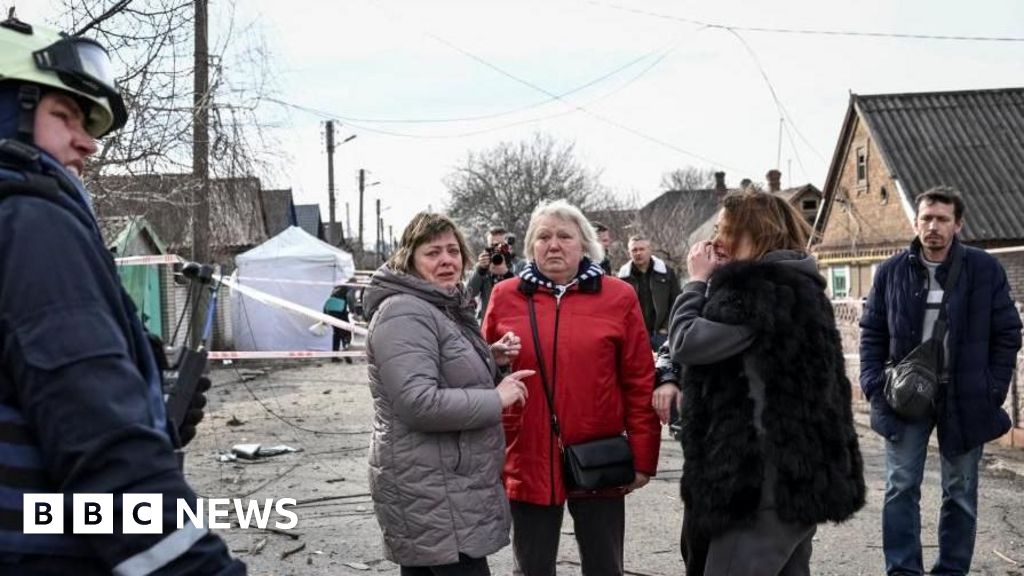
The missile struck in the early hours of the morning, catching residents off guard as they prepared for the day ahead. Emergency services rushed to the scene, where they discovered the bodies of two adults amidst the rubble of a partially destroyed apartment building. Among the wounded were the two children, whose injuries were severe enough to require immediate hospitalization. Local officials described the scene as “chaotic,” with smoke rising from the impact site and neighbors scrambling to assist those affected.
Zaporizhzhia’s regional governor, Yuriy Malashko, condemned the attack as a deliberate act of aggression targeting civilian infrastructure. “This is not just an attack on Zaporizhzhia; it is an attack on humanity,” he stated, urging the international community to hold Russia accountable for its actions.
Global Context: A Wider War with Far-Reaching Consequences
The strike in Zaporizhzhia is part of a broader pattern of escalation in the Russo-Ukrainian War, a conflict that has reshaped the geopolitical landscape since its outbreak in February 2022. Russia’s invasion of Ukraine has triggered a humanitarian crisis of staggering proportions, with millions displaced, thousands killed, and entire cities reduced to rubble.
Globally, the war has destabilized energy markets, driven food insecurity, and tested the limits of international diplomacy. The United Nations has repeatedly warned of the conflict’s potential to spiral into a wider regional war, particularly as Western nations continue to supply Ukraine with military aid while Russia seeks support from allies like Belarus and Iran.
Zaporizhzhia, in particular, holds strategic significance due to its proximity to the Zaporizhzhia Nuclear Power Plant, Europe’s largest nuclear facility, which has been under Russian control since March 2022. The plant’s precarious position has raised fears of a potential nuclear catastrophe, adding another layer of urgency to the crisis.
Why This Matters: The Human Toll of War
Beyond the geopolitical implications, the attack on Zaporizhzhia serves as a stark reminder of the devastating human cost of war. Civilians, including children, continue to bear the brunt of the violence, with little regard for their safety or well-being. According to the United Nations, over 8,000 civilians have been killed in Ukraine since the war began, though the actual number is likely much higher.
The targeting of residential areas violates international humanitarian law, which prohibits attacks on civilian infrastructure. Yet, such incidents have become all too common in this conflict, prompting calls for stronger international intervention to protect vulnerable populations.
The psychological impact on survivors, particularly children, is profound. Many have already experienced the trauma of displacement, loss, and instability, and attacks like this only deepen their scars. Humanitarian organizations warn that without a lasting resolution to the conflict, an entire generation of Ukrainians risks being defined by the horrors of war.
International Response and Calls for Accountability
The international community has been quick to condemn the attack. The European Union issued a statement describing the strike as “appalling” and calling for an immediate cessation of hostilities. The United States, meanwhile, reiterated its commitment to supporting Ukraine’s defense efforts, with Secretary of State Antony Blinken urging Russia to “end its senseless violence.”
The attack has also renewed calls for accountability. Organizations like Amnesty International and Human Rights Watch have documented numerous instances of Russian forces targeting civilians, which they argue constitute war crimes. However, holding Russia accountable remains a daunting challenge, given the complexities of international law and the geopolitical divisions that have characterized the conflict.
Looking Ahead: A Path Forward?
As the war drags on, the prospects for peace remain uncertain. Diplomatic efforts, including talks mediated by Turkey and the United Nations, have yielded little progress, and both sides appear entrenched in their positions. Ukraine has vowed to reclaim all occupied territories, while Russia shows no signs of backing down.
In the meantime, civilians in cities like Zaporizhzhia continue to live in fear, their lives hanging in the balance with each passing day. The international community faces a critical juncture: Will it take decisive action to end the suffering, or will the world watch as another generation is lost to the ravages of war?
Conclusion
The missile strike on Zaporizhzhia is more than a tragic headline; it is a microcosm of the broader humanitarian crisis unfolding in Ukraine. As the conflict enters its second year, the need for a resolution has never been more urgent. The lives lost, the families shattered, and the futures stolen demand action—not just from Ukraine and Russia, but from the global community as a whole. The world’s response to this crisis will define its commitment to peace, justice, and the protection of innocent lives. For now, the people of Zaporizhzhia—and millions like them across Ukraine—can only hope that the world is listening.
