



Global Oil Supply at Risk as Iran Closes the Strait of Hormuz
The world’s most critical maritime chokepoint, the Strait of Hormuz, is effectively closed, bringing global energy markets to the brink of crisis. Iran’s decision to restrict access to this narrow waterway—a lifeline for approximately 20% of the world’s oil supply—has sent shockwaves through the global economy, threatening to destabilize energy prices and exacerbate geopolitical tensions. As Iran asserts its control over the strait, questions loom over how long this closure will last and what it means for the intricate web of international trade and security.
The Strategic Importance of the Strait of Hormuz
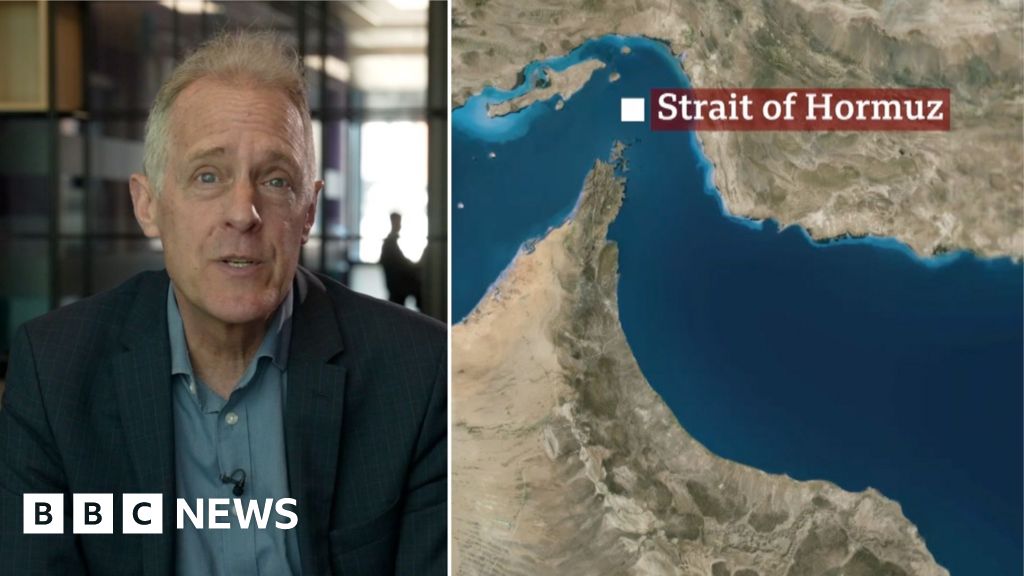
The Strait of Hormuz, a 21-mile-wide passage separating Iran and Oman, serves as the gateway for oil exports from the Persian Gulf to the rest of the world. Every day, around 17 million barrels of oil—representing nearly one-fifth of global oil demand—flow through this narrow channel. Major oil-producing nations such as Saudi Arabia, the United Arab Emirates, Kuwait, and Qatar rely on this route to export their crude to markets in Asia, Europe, and beyond.
The strait’s closure is not merely a regional issue; it is a global one. With oil prices already volatile due to ongoing conflicts, supply chain disruptions, and the transition to renewable energy, the current blockade risks pushing economies worldwide—especially those dependent on oil imports—into deeper uncertainty.
Iran’s Decision: A Calculated Move
Iran’s move to restrict access to the Strait of Hormuz appears to be a strategic response to escalating tensions with Western powers. For years, Tehran has threatened to close the strait in retaliation for economic sanctions and diplomatic pressure, particularly over its nuclear program. Now, it seems to be making good on that threat.
By asserting its control over the strait, Iran aims to wield significant leverage over global energy markets and demonstrate its ability to disrupt international trade. However, this decision comes at a precarious time. The global economy is still recovering from the lingering effects of the COVID-19 pandemic and grappling with inflationary pressures. A prolonged closure could lead to skyrocketing oil prices, further straining industries and consumers worldwide.
Global Context: A Fragile Balance
The closure of the Strait of Hormuz underscores the fragility of global energy supply chains. While many nations are investing in alternative energy sources and seeking to reduce their reliance on oil, hydrocarbons remain the backbone of the world’s economy. The disruption of such a critical artery highlights the challenges of transitioning to a more sustainable energy future while managing geopolitical risks.
Moreover, Iran’s actions could reignite tensions in a region already marked by conflict and instability. The Persian Gulf has long been a flashpoint for disputes between Iran and its neighbors, particularly Saudi Arabia and the UAE, as well as with Western powers such as the United States. The strait’s closure raises the specter of military confrontation, with the potential for unintended escalation.
The Human Cost: Economic and Social Implications
While the geopolitical ramifications are significant, the closure of the Strait of Hormuz also has profound human consequences. Rising oil prices can lead to increased costs for transportation, heating, and electricity, disproportionately affecting vulnerable populations in developing nations. Furthermore, industries reliant on oil—such as aviation, shipping, and manufacturing—face higher operational costs, potentially leading to job losses and economic slowdowns.
For Iran, the closure could be a double-edged sword. While it may strengthen Tehran’s negotiating position in international diplomacy, it could also isolate the country further and deepen its economic woes. Sanctions have already taken a toll on Iran’s economy, and restricting access to the strait may alienate potential allies and trading partners.
Why This Matters Globally
The Strait of Hormuz’s closure is a stark reminder of how interconnected the world’s economies are and how vulnerable they remain to geopolitical disruptions. In an era of growing uncertainty—from climate change to technological transformation—the ability to secure critical trade routes is more important than ever.
The international community faces a delicate balancing act: addressing Iran’s actions without exacerbating tensions while simultaneously accelerating efforts to diversify energy sources and reduce reliance on volatile regions.
Looking Ahead: A Call for Diplomacy
As the situation unfolds, diplomacy will be key to resolving the crisis. Multilateral negotiations, supported by organizations such as the United Nations and the International Energy Agency, could provide a platform for dialogue and conflict resolution. At the same time, nations must reassess their energy strategies, prioritizing resilience and sustainability in the face of growing geopolitical risks.
The closure of the Strait of Hormuz is a wake-up call for the world. It is a reminder that peace and stability are not guaranteed and that the actions of one nation can have far-reaching consequences. As global leaders navigate this crisis, the stakes could not be higher—for the global economy, for international security, and for the millions of people whose lives hang in the balance.
In an increasingly interconnected world, the Strait of Hormuz is more than just a shipping lane; it is a symbol of the delicate balance that holds the global order together. How this crisis is resolved will shape the future of international relations and the trajectory of the global economy for years to come.
