



The Shifting Sands of Geopolitics: How US Leadership Navigates Global Deadlines and Security Challenges
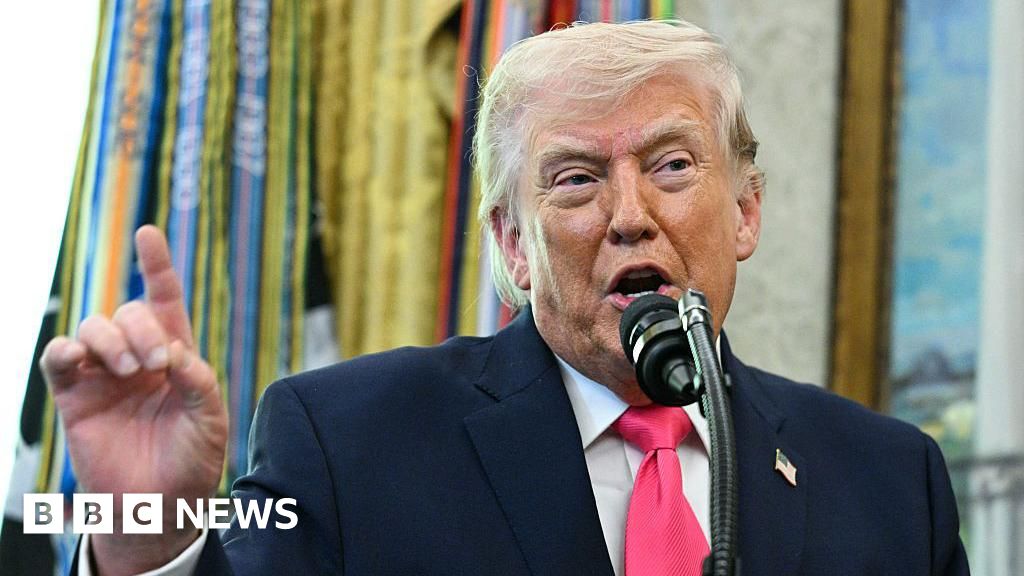
The world watched with bated breath as the US President once again recalibrated expectations on a critical international deadline. In a move that underscores the fluidity of modern diplomacy, the administration’s approach to timelines has become a defining feature of its foreign policy strategy. But in an era of escalating conflicts, economic instability, and shifting alliances, this flexibility raises urgent questions: Can the US maintain its role as a global stabilizer, or is it inadvertently fueling uncertainty in an already volatile world?
The Strategic Use of Deadlines in US Foreign Policy
Deadlines in international relations are often seen as non-negotiable markers of progress or failure. Yet, recent actions by the US administration suggest a departure from this rigid approach. Instead of treating deadlines as immutable, the White House has increasingly used them as tactical tools—leveraging their symbolic weight to exert pressure, rally allies, or buy time for delicate negotiations.
For instance, in the ongoing efforts to broker peace in Ukraine, the US has repeatedly adjusted its stance on timelines for ceasefire talks and military aid delivery. Similarly, in the Indo-Pacific region, deadlines for strategic partnerships have been extended to accommodate the complexities of aligning diverse national interests. This fluidity reflects a broader strategy: prioritizing flexibility over rigidity to navigate the intricate web of global politics.
Global Context: A World in Flux
This approach comes at a time when the world is grappling with unparalleled challenges. The war in Ukraine has entered its third year, with no end in sight, while tensions between the US and China continue to simmer over issues ranging from trade to Taiwan. Meanwhile, the Middle East remains a tinderbox, with conflicts in Gaza and Yemen showing few signs of resolution.
In this context, deadlines are not merely bureaucratic markers but potential flashpoints. A missed deadline can escalate tensions, while an extended timeline can provide breathing room for diplomacy. For example, the US’s decision to delay sanctions on Iran over its nuclear program allowed for renewed negotiations, albeit with mixed results. Such maneuvers highlight the delicate balance between maintaining pressure and avoiding unintended consequences.
Why It Matters Globally
The US’s approach to deadlines has far-reaching implications. As the world’s leading military and economic power, its actions set the tone for international relations. When Washington adjusts deadlines, it sends ripples across the globe, affecting everything from stock markets to diplomatic alliances.
For US allies, this flexibility can be both reassuring and disconcerting. On one hand, it demonstrates a pragmatic approach to complex challenges. On the other, it risks eroding trust in US commitments. For adversaries, it can be perceived as a sign of weakness or indecision, potentially emboldening aggressive behaviors.
Moreover, in multilateral forums like the United Nations or NATO, the US’s approach influences collective decision-making. Deadlines on climate agreements, arms control treaties, and humanitarian aid packages are often shaped by US priorities. When these timelines shift, it can disrupt global coordination and amplify existing uncertainties.
Balancing Act: Flexibility vs. Credibility
Critics argue that the US’s fluid approach to deadlines undermines its credibility as a global leader. Consistency, they contend, is essential for maintaining trust and deterring adversaries. However, proponents defend the strategy as a necessary adaptation to the complexities of modern geopolitics.
The truth lies somewhere in between. In an interconnected world, where crises often defy neat timelines, flexibility can be a valuable asset. Yet, it must be wielded with care. Overuse of deadline extensions risks diluting their impact, while abrupt shifts can create confusion among allies and adversaries alike.
The Human Cost of Shifting Timelines
Amid the geopolitical maneuvering, it’s crucial to remember the human impact of these decisions. In war-torn regions like Ukraine and Gaza, deadlines on aid delivery or ceasefire agreements can mean the difference between life and death. For refugees fleeing conflict, delays in humanitarian relief exacerbate already dire conditions.
Similarly, in the realm of global health, deadlines on vaccine distribution or pandemic preparedness have far-reaching consequences. The US’s ability to navigate these timelines with both pragmatism and compassion will be a key test of its global leadership.
A World Watching and Waiting
As the US continues to navigate the shifting sands of global politics, its approach to deadlines will remain under intense scrutiny. The challenges are immense: from curbing nuclear proliferation to addressing climate change, from mediating conflicts to rebuilding trust in multilateral institutions.
Yet, in this uncertainty lies an opportunity. By balancing flexibility with credibility, the US can chart a course that not only addresses immediate crises but also lays the groundwork for a more stable and equitable world.
As the sun sets on another day of geopolitical wrangling, one thing is clear: in a world defined by change, the ability to adapt—to recalibrate timelines, shift strategies, and seize opportunities—may be the ultimate test of leadership. The question now is not whether the US can wield this power, but whether it can do so responsibly, ensuring that its actions serve not just its own interests, but those of humanity as a whole.
