



Rising Tensions in the Strait of Hormuz: U.S. Blockade of Iranian Ports Sparks Global Concerns
The Strait of Hormuz, a narrow waterway that carries a third of the world’s seaborne oil, has become the focal point of a dangerous new confrontation between the United States and Iran. On Monday, the U.S. initiated a maritime blockade of Iranian ports following the collapse of peace talks over the weekend. The move, described by U.S. President Donald Trump as a “necessary measure,” has escalated tensions in a region already fraught with instability. In a stark warning posted on social media, President Trump declared that any Iranian “fast attack ships” attempting to breach the blockade would be “immediately ELIMINATED.” This dramatic escalation raises critical questions about the implications for global security, energy markets, and the fragile balance of power in the Middle East.
The Breakdown of Diplomacy
The U.S.-Iran peace talks, which began last week with cautious optimism, concluded abruptly on Sunday without any agreement. While neither side has disclosed the specific sticking points, analysts suggest that disputes over Iran’s nuclear program, sanctions relief, and regional influence were key obstacles. The failure of diplomacy has left both nations entrenched in a cycle of confrontation.
The blockade, enforced by the U.S. Navy, targets Iran’s key ports, including Bandar Abbas, through which much of the country’s trade flows. The move is seen as a continuation of the Trump administration’s “maximum pressure” campaign, designed to curtail Iran’s economic and military capabilities. However, critics argue that such unilateral actions risk further destabilizing an already volatile region.
How the Blockade Works
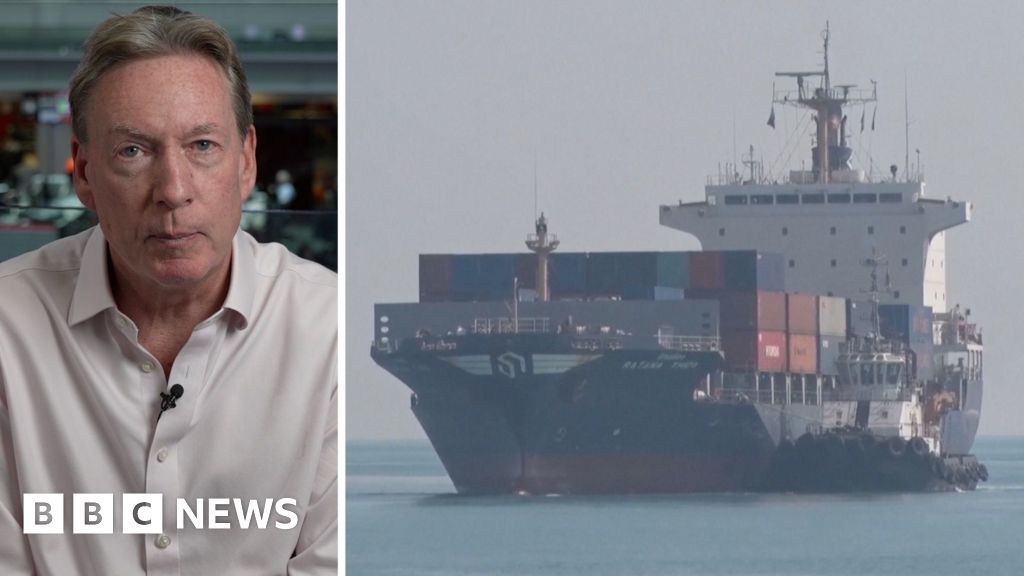
According to BBC security correspondent Frank Gardner, the U.S. blockade operates as a maritime quarantine, preventing ships from entering or leaving Iranian ports. U.S. naval vessels, supported by aircraft and satellite surveillance, are tasked with intercepting unauthorized ships. The blockade is enforced under the pretext of preventing Iran from allegedly supplying weapons to proxy groups in Yemen, Iraq, and elsewhere in the Middle East.
The U.S. has also issued a warning to global shipping companies, urging them to avoid Iranian waters or face potential interception. This has already caused ripples in international trade, with several shipping firms rerouting vessels to avoid the region.
Global Implications
The blockade’s immediate impact is most acutely felt in the Strait of Hormuz, a critical chokepoint for global oil supply. Any disruption in this region could send shockwaves through the global economy, driving up oil prices and exacerbating inflation pressures. For energy-dependent nations like China, India, and Japan, the situation is particularly precarious.
Beyond economics, the blockade risks escalating military tensions. Iran has repeatedly threatened to close the Strait of Hormuz in response to U.S. sanctions and pressure. While Tehran has avoided direct military confrontation so far, the blockade could push the Islamic Republic to retaliate, potentially triggering a wider conflict.
Several countries have called for restraint, with the European Union urging both sides to de-escalate. However, Washington’s unilateral actions have drawn criticism from allies and adversaries alike, highlighting the growing geopolitical rifts in the international community.
Why This Matters
The U.S. blockade of Iranian ports is not just a regional issue; it is a global concern. The Strait of Hormuz is a lifeline for global trade, and any disruption could have cascading effects on supply chains, energy security, and economic stability. Moreover, the confrontation underscores the fragility of international diplomacy in an era of rising nationalism and unilateralism.
For Iran, the blockade represents another blow to its struggling economy, already battered by years of U.S. sanctions. This could force Tehran to adopt more aggressive tactics, such as increasing support for proxy groups or accelerating its nuclear program.
For the U.S., the move risks alienating allies and emboldening adversaries. While the Trump administration has framed the blockade as a necessary step to counter Iranian “aggression,” critics argue that it undermines multilateral efforts to address regional conflicts.
A Dangerous Escalation
The situation in the Strait of Hormuz is a stark reminder of how quickly tensions can spiral out of control. The U.S. blockade, while aimed at pressuring Iran, could inadvertently provoke a broader conflict with far-reaching consequences.
As the world watches anxiously, the need for diplomatic solutions has never been more urgent. Without a return to dialogue, the confrontation between the U.S. and Iran threatens to destabilize not only the Middle East but the global order itself.
In these uncertain times, the stakes are high, and the path to peace remains elusive. The blockade of Iranian ports is more than a geopolitical maneuver; it is a test of the international community’s ability to navigate a complex and rapidly changing world. The coming days will be crucial in determining whether this crisis can be contained—or whether it will escalate into a full-blown global conflict.
