


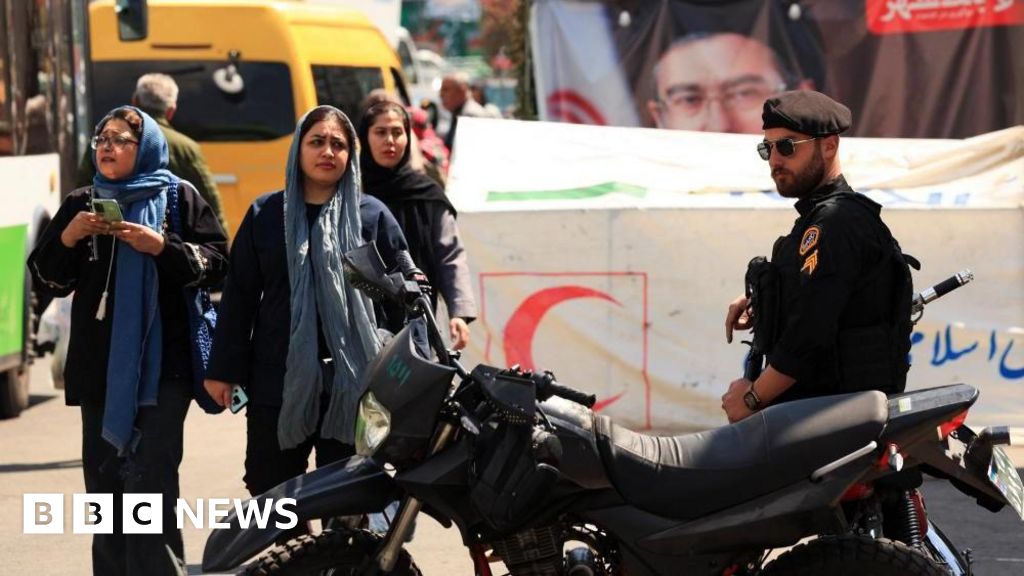

Escalating Tensions in Iran: Diplomacy on the Brink as Global Powers Seek to Prevent War
The world holds its breath as diplomatic efforts intensify to avert a return to war in the Middle East. From the bustling streets of Tehran to the corridors of power in Washington, Moscow, and Brussels, the stakes could not be higher. The BBC’s chief international correspondent reports from Iran, where fears of escalating conflict loom large, and global powers scramble to navigate a precarious path toward peace. The situation is fraught with complexity, as historical grievances, regional rivalries, and global security concerns converge in a high-stakes geopolitical showdown.
A Fragile Diplomatic Landscape
Diplomatic channels are working overtime to prevent a catastrophic escalation in the region. Talks between Iran, the United States, European Union nations, and other key stakeholders have reached a critical juncture. The focus is on de-escalating tensions, particularly around Iran’s nuclear program, which has long been a flashpoint in international relations. Recent developments, including Iran’s acceleration of uranium enrichment and the imposition of new sanctions by Western nations, have only heightened the urgency of these discussions.
Iran’s leadership has expressed a willingness to engage in dialogue but remains steadfast in its demands for the lifting of economic sanctions and guarantees of sovereignty. Meanwhile, Western powers emphasize the need for verifiable commitments to curtail nuclear activities. The delicate balance of these negotiations reflects the broader challenge of reconciling Iran’s aspirations with global security imperatives.
Global Context: Why This Matters
The implications of this crisis extend far beyond the Middle East. A return to conflict in Iran could destabilize a region already grappling with proxy wars, sectarian violence, and economic hardship. The potential for a broader regional war, drawing in neighboring countries and global powers, is a sobering possibility. Moreover, Iran’s strategic location at the crossroads of Asia, Europe, and the Middle East, coupled with its vast energy resources, makes it a linchpin of global stability.
The crisis also underscores the fragility of the global nuclear non-proliferation regime. Iran’s nuclear ambitions, whether real or perceived, challenge the international community’s ability to enforce norms and agreements designed to prevent the spread of nuclear weapons. A failure to resolve this crisis peacefully could embolden other nations to pursue similar paths, undermining decades of diplomatic efforts to curb nuclear proliferation.
Human Cost: The Forgotten Victims
Amid the geopolitical maneuvering, it is essential to remember the human cost of this crisis. Millions of Iranians are already bearing the brunt of economic sanctions, which have led to soaring inflation, unemployment, and shortages of essential goods. A return to war would exacerbate these hardships, displacing communities, destroying infrastructure, and claiming countless lives.
The broader region, including countries like Iraq, Afghanistan, and Israel, would also face dire consequences. Refugees fleeing conflict zones would strain neighboring countries’ resources, while the ripple effects of instability could disrupt global supply chains and energy markets. The humanitarian impact of this crisis serves as a stark reminder of the urgency of finding a peaceful resolution.
Global Powers at a Crossroads
The role of global powers in this crisis cannot be overstated. The United States, Russia, China, and European nations each have vested interests in the outcome of this standoff. For the U.S., the crisis represents a test of its diplomatic clout and its ability to balance competing priorities in the region. Russia and China, meanwhile, see an opportunity to assert their influence and challenge Western dominance in global affairs.
The European Union, for its part, is walking a tightrope, seeking to preserve its diplomatic ties with Iran while aligning with its NATO allies’ security concerns. The interplay of these interests adds another layer of complexity to the crisis, underscoring the need for a coordinated and multilateral approach to resolution.
A Narrow Path to Peace
The path to peace remains narrow and fraught with obstacles. Confidence-building measures, such as temporary freezes on uranium enrichment and phased sanctions relief, have been proposed as potential stepping stones to a comprehensive agreement. However, deep-seated mistrust and competing agendas continue to complicate these efforts.
The role of regional actors, including Saudi Arabia, Israel, and Turkey, is also critical. Their involvement, whether direct or indirect, could either facilitate or undermine diplomatic progress. The challenge lies in creating a framework that addresses the legitimate concerns of all parties while preventing any single actor from derailing the process.
Conclusion: A Moment of Reckoning
As the world watches and waits, the crisis in Iran represents a moment of reckoning for global diplomacy. The choices made in the coming days and weeks will have far-reaching consequences for international peace and security. The stakes are high, the challenges immense, and the cost of failure unthinkable.
Yet, amid the uncertainty, there is also a glimmer of hope. The fact that diplomatic efforts are underway, despite the formidable obstacles, reflects a shared recognition of the need to avert catastrophe. In a world increasingly defined by division and distrust, this crisis serves as a reminder of the importance of dialogue, compromise, and collective action. The road ahead may be uncertain, but the pursuit of peace remains a universal imperative.
The question now is whether the international community can rise to the occasion—and whether the lessons of history will guide us toward a safer, more stable future. The world is watching, and the clock is ticking.
