


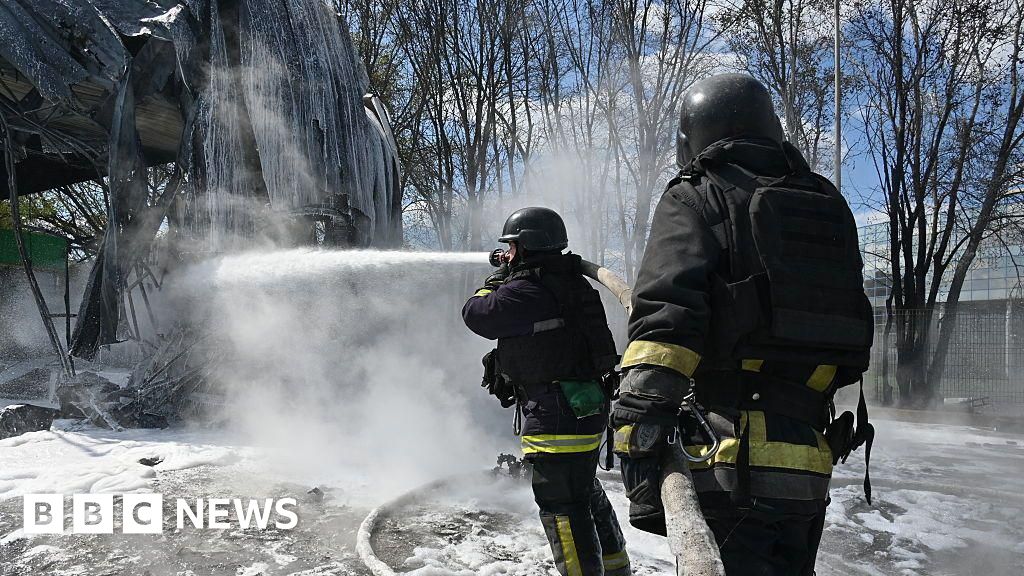

Ukrainian Drone Strikes on Russian “Shadow Fleet” Tankers Ignite Escalation in Black Sea Conflict
Black Sea Erupts as Ukraine Targets Russian Tankers Amid Escalating Drone Warfare
The Black Sea, once a bustling trade corridor, has transformed into a volatile warzone as Ukraine intensifies its campaign against Russia’s so-called “shadow fleet” of tankers. In a dramatic escalation of maritime hostilities, Ukrainian drones targeted several Russian vessels, resulting in fatalities and raising fears of a broader regional conflict. The strikes mark a significant shift in Ukraine’s strategy to disrupt Russian logistics while signaling the Black Sea’s growing role as a pivotal battleground in the ongoing war. As the conflict enters its third year, the latest developments underscore the precarious balance between military escalation and geopolitical stability in Europe and beyond.
The Shadow Fleet: Russia’s Maritime Lifeline
Russia’s “shadow fleet” comprises a network of aging tankers and cargo ships operating outside international sanctions loopholes. These vessels play a critical role in transporting Russian oil and fuel, bypassing Western embargoes imposed after Moscow’s full-scale invasion of Ukraine in February 2022. By leveraging this clandestine maritime network, Russia has managed to sustain its economy and fund its military operations despite crippling sanctions. However, Ukraine’s recent drone strikes have disrupted this lifeline, targeting tankers in the Black Sea and Kerch Strait.
The attacks have reportedly caused casualties among crew members and damaged several vessels, further complicating Russia’s ability to export energy resources. Kyiv’s actions highlight its determination to choke Moscow’s revenue streams, even in the face of mounting risks. Russian officials have condemned the strikes as “acts of terrorism,” vowing retaliation and raising the specter of broader naval confrontations.
Global Context: Energy Markets and Regional Security
The Black Sea’s strategic importance cannot be overstated. It serves as a crucial artery for global energy markets, connecting Russia’s southern ports to international trade routes. Ukraine’s drone strikes threaten to disrupt these flows, potentially impacting oil prices worldwide. Already, analysts warn of heightened volatility in energy markets, particularly as the conflict coincides with OPEC+’s efforts to stabilize prices through production cuts.
Beyond economic ramifications, the escalation risks destabilizing the broader region. NATO nations bordering the Black Sea, including Turkey, Romania, and Bulgaria, have expressed concerns over the potential spillover of hostilities. Turkey, which controls the Bosporus Strait, has warned against actions that could impede maritime traffic or escalate tensions. Meanwhile, the United States and European Union have reiterated their support for Ukraine, emphasizing the need to counter Russian aggression while avoiding uncontrolled escalation.
Human Toll and Strategic Implications
The latest strikes have not only inflicted material damage but also exacted a human cost. Reports indicate fatalities among Russian crew members aboard the targeted tankers, underscoring the grim reality of modern naval warfare. These losses come amid a broader pattern of escalating violence, with both sides increasingly relying on drones and unconventional tactics to gain the upper hand.
For Ukraine, the maritime campaign represents a calculated gamble. By targeting Russia’s shadow fleet, Kyiv aims to weaken Moscow’s war machine and bolster its own position in international negotiations. However, the strategy carries significant risks, including potential retaliation against Ukrainian ports or civilian infrastructure. Russian forces have already demonstrated their willingness to employ missile strikes and naval blockades, heightening fears of further civilian casualties.
Why This Matters: A Global Perspective
The Black Sea conflict is not merely a regional dispute; it has far-reaching implications for global security and economic stability. The targeting of Russian tankers threatens to disrupt energy supplies, exacerbating inflationary pressures and complicating efforts to stabilize post-pandemic economies. Moreover, the escalation underscores the growing role of drones in modern warfare, with implications for military strategies worldwide.
For NATO and its allies, the situation presents a delicate balancing act. While supporting Ukraine’s right to self-defense, Western powers must navigate the risks of unintended escalation. The Black Sea’s proximity to NATO territory adds another layer of complexity, with the potential for miscalculations or accidental confrontations.
Looking Ahead: A Precarious Path
As the conflict continues, the Black Sea remains a flashpoint with profound implications for global peace and security. Ukraine’s drone strikes on Russian tankers represent a bold move in its bid to counter Russian aggression, but they also highlight the fragility of the current situation. With each side poised to escalate further, the international community faces a critical challenge: how to support Ukraine while preventing a broader conflagration.
In the coming weeks, the world will watch closely as developments unfold in the Black Sea. The stakes could not be higher—for Ukraine, for Russia, and for a global order grappling with the consequences of unchecked aggression. As the war enters a new phase, one thing is clear: the Black Sea’s troubled waters will remain a focal point in the struggle for peace and stability in an increasingly uncertain world.
