


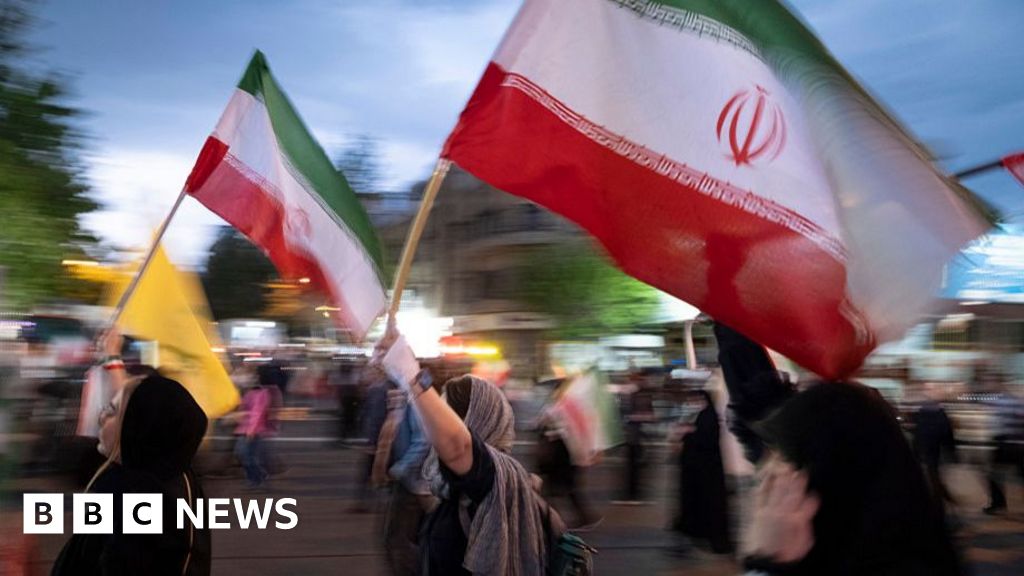

Iran’s Rising Repression: Citizens Voice Fears Amidst Regional Conflict
A Nation on Edge
As the dust settles from another flare-up of regional hostilities, ordinary Iranians are bracing not for peace—but for a renewed wave of domestic repression. Across Tehran and beyond, whispers of fear ripple through markets, universities, and private homes. Authorities, emboldened by wartime security measures, are tightening their grip, leaving citizens to wonder: Will the crackdown outlast the war?
The conflict in the Middle East has drawn global attention to Iran’s geopolitical maneuvers, but inside the country, a quieter, more insidious battle is unfolding. Activists, journalists, and even apolitical citizens report a surge in arrests, internet blackouts, and intimidation tactics. With the world’s eyes fixed on missiles and militias, Iran’s government appears to be exploiting the chaos to silence dissent.
The Post-War Crackdown: A Familiar Pattern
History offers a grim precedent. Following past conflicts—whether the Iran-Iraq War or the 2019 fuel protests—authorities have used national security as a pretext to suppress opposition. Now, with regional tensions at a boiling point, analysts warn that Tehran is preparing for another wave of repression.
Security forces have already escalated street patrols, while morality police—previously scaled back after the 2022 Mahsa Amini protests—are reasserting control over women’s dress codes. University students report increased surveillance, and independent media face abrupt shutdowns. “They’re using the war as cover,” says a Tehran-based human rights advocate (name withheld for safety). “People are scared to speak, even in their own homes.”
Global Implications: Why This Matters Beyond Iran
Iran’s internal crackdown doesn’t exist in a vacuum. The country’s stability—or lack thereof—has far-reaching consequences:
- Refugee Flows: A harsher regime could trigger another exodus, straining neighboring countries like Turkey and Iraq.
- Nuclear Tensions: Domestic unrest may harden Tehran’s stance in negotiations, complicating global non-proliferation efforts.
- Regional Proxy Wars: Internal repression often coincides with aggressive foreign policy, fueling conflicts in Yemen, Syria, and Lebanon.
Western governments, already wary of Iran’s regional ambitions, now face a dilemma: how to address human rights abuses without escalating tensions further. Meanwhile, Iran’s allies—Russia and China—remain silent, prioritizing strategic interests over dissenters’ plight.
Voices from the Ground: “We Live in Constant Fear”
Interviews with Iranians (conducted securely via encrypted apps) reveal deepening anxiety. A shopkeeper in Isfahan says plainclothes agents now monitor his customers. A university student in Shiraz describes midnight raids on dormitories. “They took three of my friends last week,” she says. “No one knows where they are.”
Even those uninvolved in politics feel the pressure. “After the war, they’ll come for everyone,” predicts a retired teacher in Tabriz. “It’s always the same.”
Digital Suppression: The Battle for Information
Iran’s government has long weaponized internet access, but recent outages suggest a new intensity. During protests, platforms like Instagram and WhatsApp go dark. VPNs—lifelines for uncensored news—are increasingly blocked.
This digital iron curtain doesn’t just hide abuses; it isolates Iranians from the world. “Without the internet, we disappear,” says a journalist recently forced into exile.
What Comes Next?
The international community’s response—or lack thereof—will shape Iran’s trajectory. Sanctions and condemnations have done little to curb repression in the past. Yet with Iran’s economy in shambles, targeted measures against officials responsible for abuses could amplify domestic pressure.
For now, Iranians wait, caught between war abroad and a looming storm at home. The world may be distracted by headlines of airstrikes and diplomacy, but the true test of Iran’s future will unfold not on battlefields—but in its streets, its courtrooms, and its silenced homes.
A Warning Unheeded
As global powers debate Iran’s role in regional conflicts, its people pay the price. Repression, once tightened, rarely loosens without a fight. The world must decide: Will it look away, or will it listen to the voices pleading for help behind the censored headlines? The answer could determine whether Iran’s next chapter is one of reform—or deeper darkness.
