


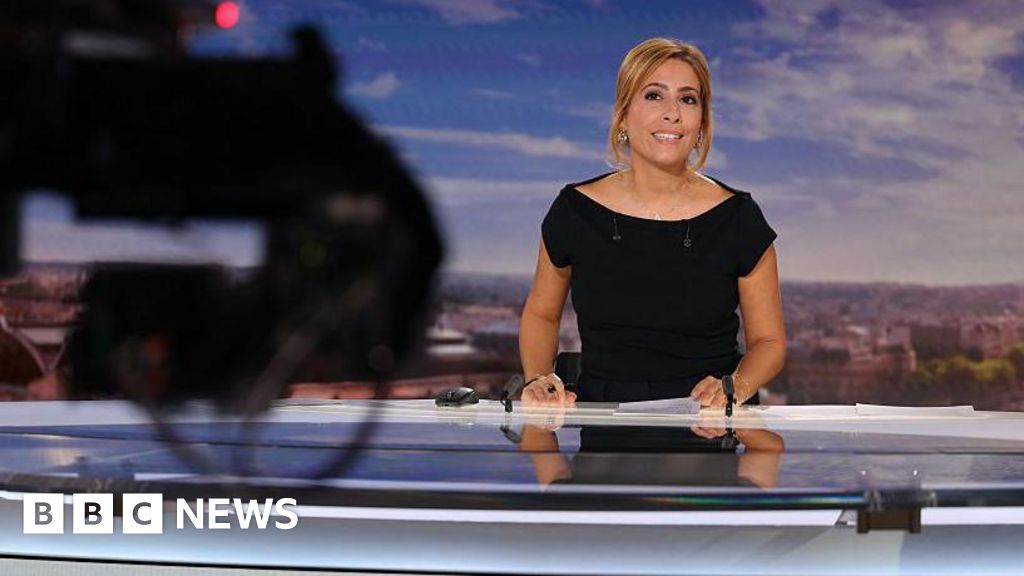

French State Media Accused of Left-Wing Bias Amid Growing Global Concerns Over Media Neutrality
A Storm of Allegations Rocks French State Media
In a dramatic turn of events, a French parliamentary committee has accused state-owned broadcasters France Télévisions and Radio France of harboring a left-wing bias. The explosive charges, unveiled during a high-profile enquiry, have sparked heated debates across France and beyond, raising critical questions about media impartiality, government influence, and the role of public broadcasters in democratic societies. As the world grapples with escalating misinformation and political polarization, this controversy underscores the fragility of trust in institutions meant to uphold truth and fairness.
The Context: A Global Crisis of Trust in Media
The accusations against France Télévisions and Radio France come at a time when media neutrality is under intense scrutiny worldwide. From accusations of state-controlled propaganda in authoritarian regimes to allegations of partisan bias in Western democracies, the credibility of news organizations has been eroding for years. The rise of social media, coupled with the spread of disinformation, has exacerbated these challenges, leaving audiences increasingly skeptical of traditional news sources. In this context, France’s public broadcasters—long seen as pillars of impartiality—are now at the center of a storm that could have far-reaching implications for media governance globally.
The Enquiry: A Closer Look at the Charges
The parliamentary committee’s investigation, conducted over several months, concluded that France Télévisions and Radio France have systematically favored left-leaning perspectives in their reporting. The committee’s report, which remains under review, cited alleged instances of editorial bias, selective coverage of political events, and a disproportionate focus on progressive narratives. Critics of the enquiry argue that it reflects a broader political agenda, pointing to the conservative leanings of the ruling party and its supporters. Meanwhile, defenders of the public broadcasters have dismissed the accusations as baseless, emphasizing the importance of editorial independence and the need to protect public media from political interference.
France’s Unique Media Landscape
France’s public broadcasters occupy a unique position in the country’s media landscape. Funded by taxpayer money, they are expected to serve as a neutral platform for information and debate, free from commercial pressures and political influence. Historically, France Télévisions and Radio France have been praised for their high-quality journalism and commitment to public service. However, recent years have seen growing criticism from various political factions, each accusing the broadcasters of favoring their opponents. This latest enquiry, initiated by a parliamentary body dominated by center-right lawmakers, has only intensified these tensions, fueling concerns about the politicization of France’s media.
Why This Matters Globally
The controversy in France resonates far beyond its borders. In an era marked by deepening ideological divides and the proliferation of alternative news sources, the neutrality of public broadcasters has never been more crucial. State-owned media organizations play a vital role in shaping public opinion, particularly in times of crisis or conflict. When their impartiality is called into question, it can erode public trust, exacerbate polarization, and undermine the democratic process. Moreover, France’s predicament serves as a cautionary tale for other nations grappling with similar challenges, highlighting the delicate balance between accountability and independence in public media.
The Human Impact: A Crisis of Confidence
At its core, this controversy is about more than just politics—it’s about the people who rely on these broadcasters for accurate and unbiased information. For millions of French citizens, France Télévisions and Radio France are trusted sources of news, offering insights into everything from local affairs to global events. If these institutions lose credibility, it could leave a void that alternative media, with their own agendas, may rush to fill. This, in turn, could deepen societal divisions and weaken the collective ability to address pressing issues, from climate change to economic inequality.
Looking Ahead: A Turning Point for Public Media?
As France grapples with this crisis, the world watches closely. Will this enquiry lead to meaningful reforms that strengthen the impartiality of public broadcasters, or will it result in greater political interference? The answer could set a precedent for how other nations approach the challenges facing their own media landscapes. For now, the controversy serves as a stark reminder of the importance of preserving the integrity of public media in an increasingly polarized world.
A Call to Protect the Fourth Estate
In a time when truth often feels like a casualty of war, the allegations against France Télévisions and Radio France highlight the urgent need to defend the principles of impartial journalism. Public broadcasters are not merely conduits of information; they are guardians of democracy, tasked with holding power to account and fostering informed citizenship. As France confronts this controversy, the global community must reaffirm its commitment to protecting the independence and neutrality of these vital institutions. For without them, the battle against misinformation and polarization risks being lost, leaving societies fractured and the truth obscured.
